




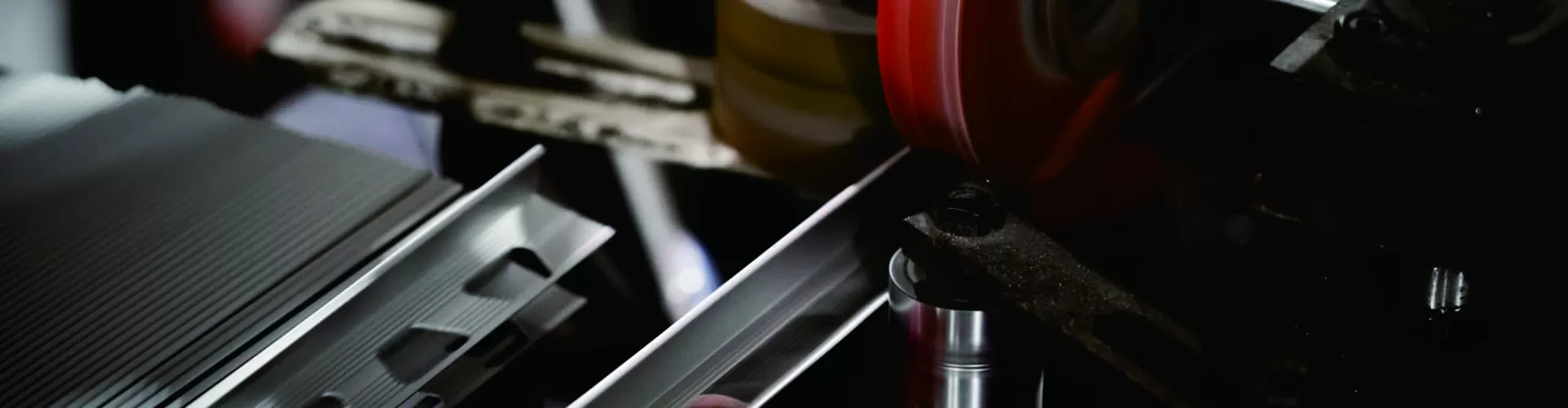
The production of modern cupboard handles entails a multifaceted process that harmonizes cutting-edge technology and meticulous craftsmanship. From raw material selection to final assembly, each stage demands precision, durability, and aesthetic appeal. This comprehensive guide unravels the complexities of the manufacturing process, offering insights into the intricacies of modern cupboard handle production.
The foundation of a high-quality cupboard handle lies in the choice of materials. Common materials include stainless steel, aluminum, brass, and zinc alloys. Each material possesses unique attributes that dictate its suitability for different applications. Stainless steel offers exceptional corrosion resistance and strength, while aluminum is lightweight and durable. Brass exudes a classic aesthetic and is resistant to tarnishing, making it ideal for traditional designs. Zinc alloys provide cost-effective options with customizable finishes.
Once the material is selected, skilled designers transform concepts into tangible blueprints. They consider ergonomics, functionality, and aesthetics, ensuring that the handle conforms to user expectations and complements the overall cabinetry design. The design process involves detailed sketches, 3D modeling, and prototyping to refine the handle’s shape,尺寸, and finish.
Modern machining techniques, such as CNC (Computer Numerical Control) machining, play a crucial role in handle fabrication. CNC machines precisely cut and shape the handle’s components, ensuring accuracy and consistency. Other fabrication methods, such as casting, forging, or extrusion, may be employed depending on the material and design specifications.
The surface treatment process imparts the handle with its distinctive appearance and enhances its longevity. This stage encompasses various techniques, including polishing, buffing, electroplating, and powder coating. Polishing and buffing smooth out the surface, creating a lustrous finish. Electroplating applies a thin layer of metal, such as chrome or nickel, to enhance corrosion resistance and durability. Powder coating involves applying a colored powder to the handle’s surface and then baking it to create a durable, scratch-resistant finish.
The final stage involves assembling the handle’s components. This may include attaching the handle to a backplate, installing fasteners, or incorporating decorative elements. Rigorous quality control measures are implemented at each step to ensure that the finished product meets the highest standards of functionality, durability, and aesthetics. Each handle undergoes thorough inspections to verify its dimensions, finish, and performance before packaging and distribution.
The manufacturing process of modern cupboard handles is a testament to the synergy between advanced technology and human ingenuity. From material selection to final assembly, each stage is meticulously executed to deliver handles that blend durability, ergonomics, and aesthetic appeal. Understanding this process empowers consumers to make informed decisions when selecting cupboard handles that enhance the functionality and style of their kitchens and home interiors.
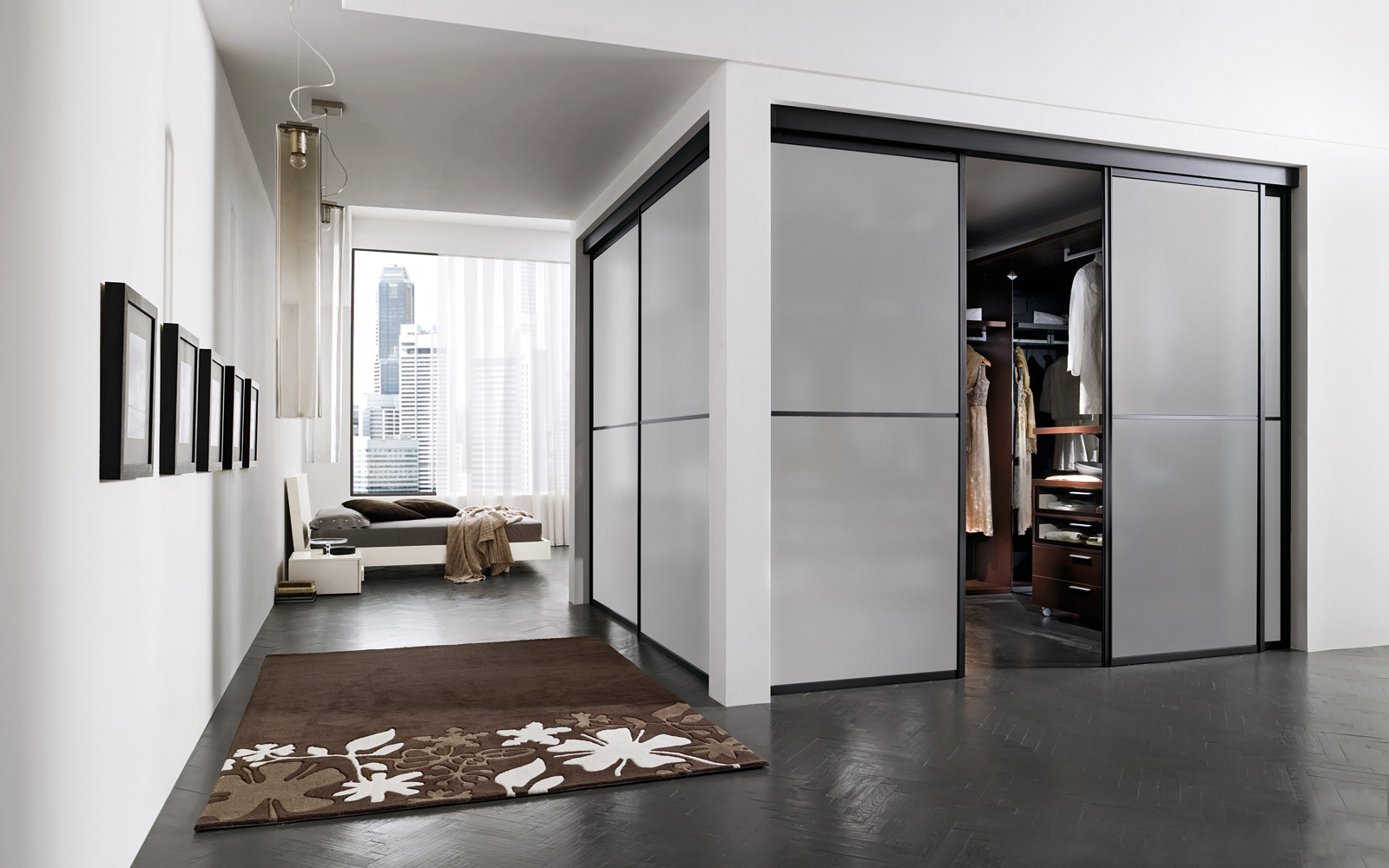
During the warranty period, store wardrobe door aluminum profiles according to the supplier’s written instructions and retain product identification and condition records. The supplied product data lists the 6063 T5 material, a minimum order quantity of 1, and a 30-day delivery time, but it does not specify storage temperature, humidity, packaging, stacking, or warranty requirements. […]
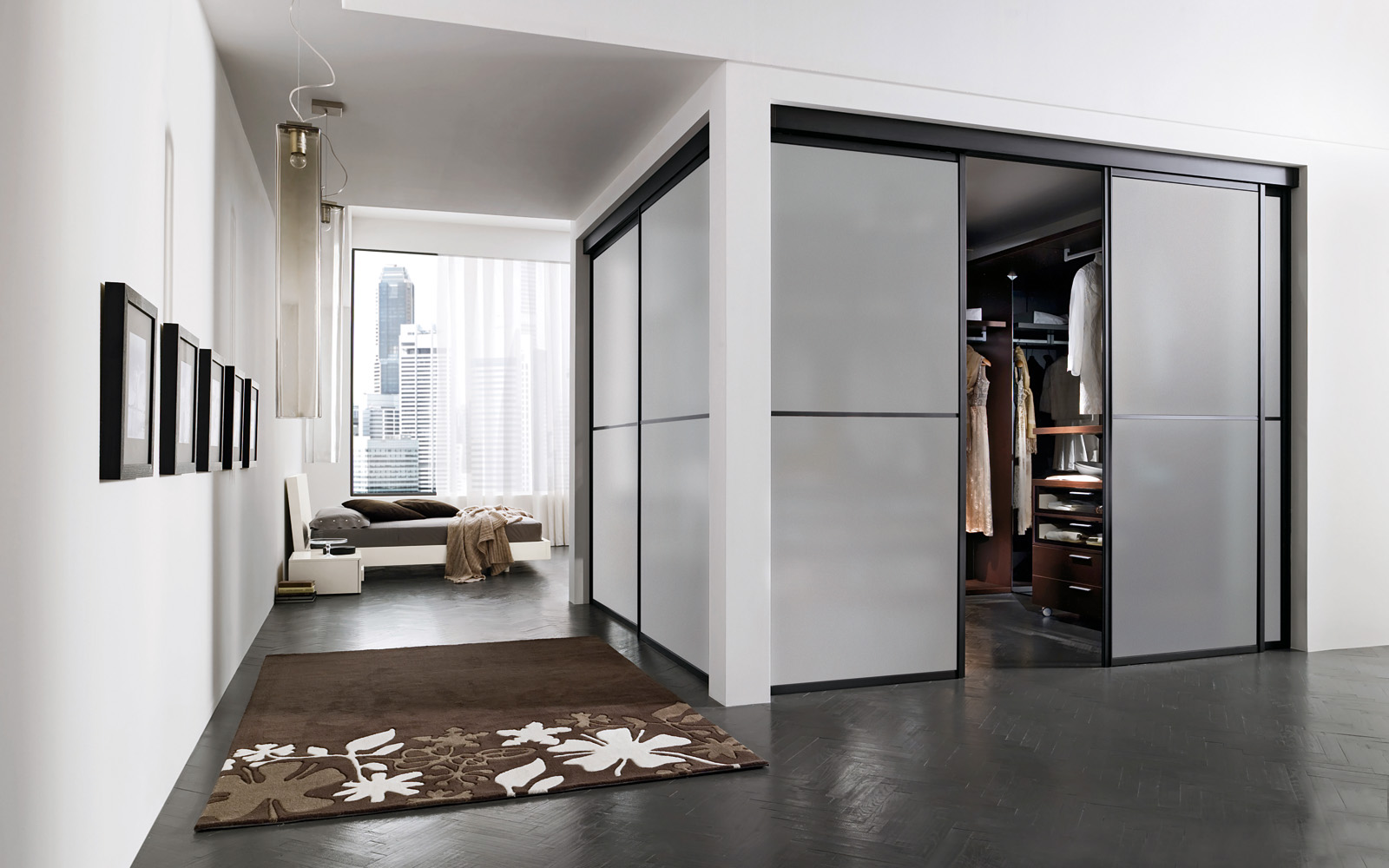
Aluminum profiles for wardrobe door frame can be supplied as the stated wardrobe door aluminum system, but the provided product information does not confirm mill certificate availability. The product is identified with 6063 T5 material, a minimum order quantity of 1, and a listed delivery time of 30 days. Mill certificate requirements should therefore be […]
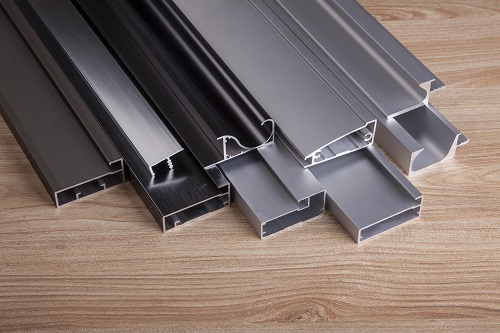
To verify certificates from an aluminium cabinet profile supplier, match the issuing certificate name, certificate number, certified product scope, supplier identity, and applicable management activities against the supplier’s records. For MEBEL-ALU ALUMINIUM, the documented certificates cover aluminium alloy profiles for architecture, decoration, and industry, including anodized, electrophoretic, powder-coated, paint-coated, and thermal barrier profiles. Core Solutions […]
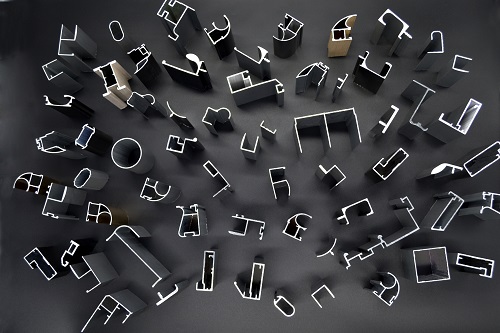
To track an Aluminum Gola profile for a handleless kitchen after dispatch, request the shipment reference and transport mode from the seller or freight forwarder, then use that reference to ask the party handling the shipment for status updates. MEBEL-ALU lists FOB and supports rail, maritime, and full-container transport. The supplied data provides no tracking […]
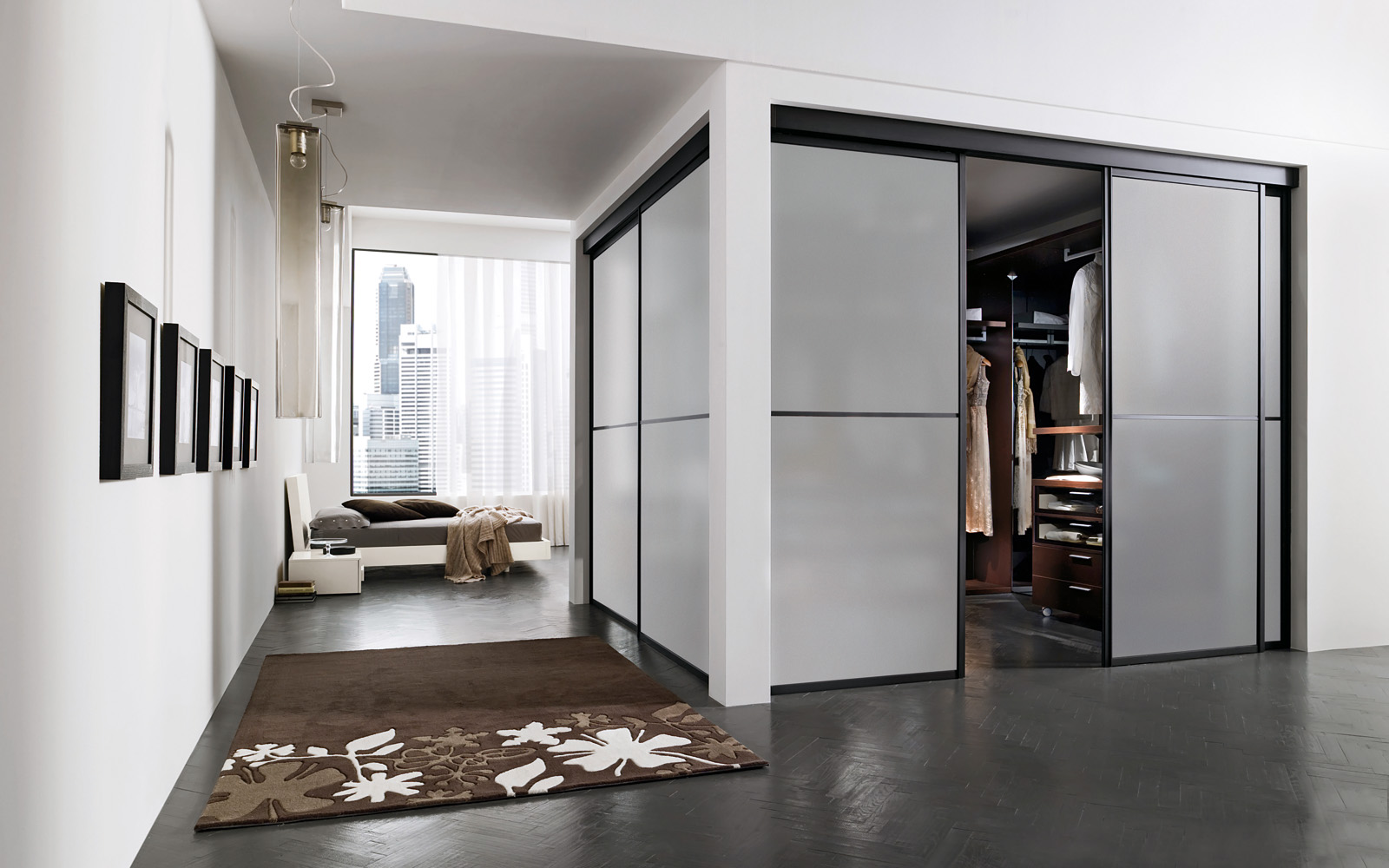
The provided product data does not specify a safest bundle length for aluminum profiles for wardrobe door frame. The product is identified as a 6063 T5 aluminum profile system with a listed MOQ of 1 and a 30-day delivery time. Bundle length must therefore be confirmed with MEBEL-ALU according to profile dimensions, packaging limits, handling […]
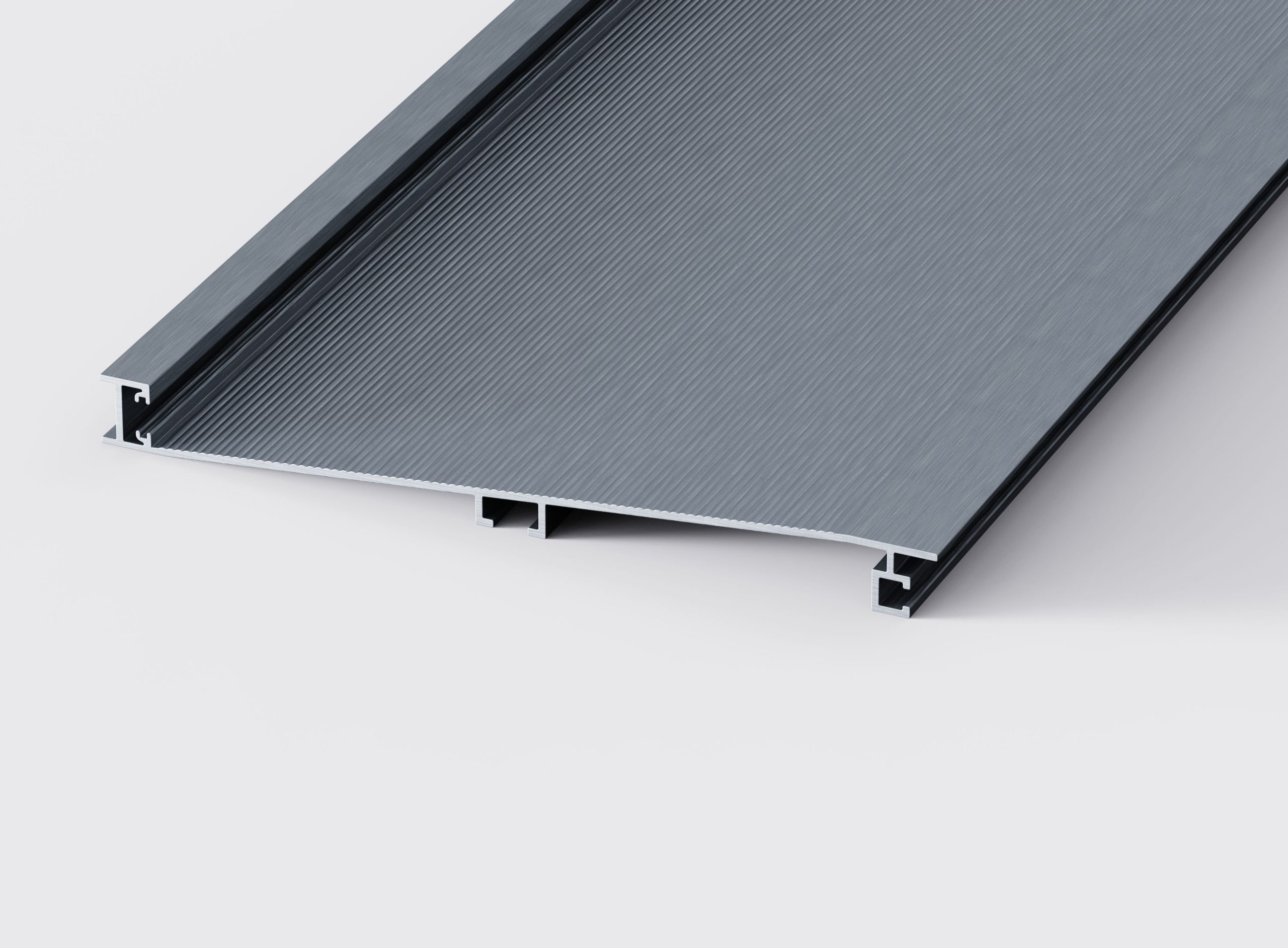
Aluminum skiriting and edge profiles samples can reveal installation difficulties by showing profile geometry, edge coverage, surface finish, and compatibility with tile or cabinet interfaces. However, the samples alone cannot confirm complete installation performance because the available product data identifies only 6063 T5 material and does not provide installation drawings, dimensions, fixing methods, or site […]
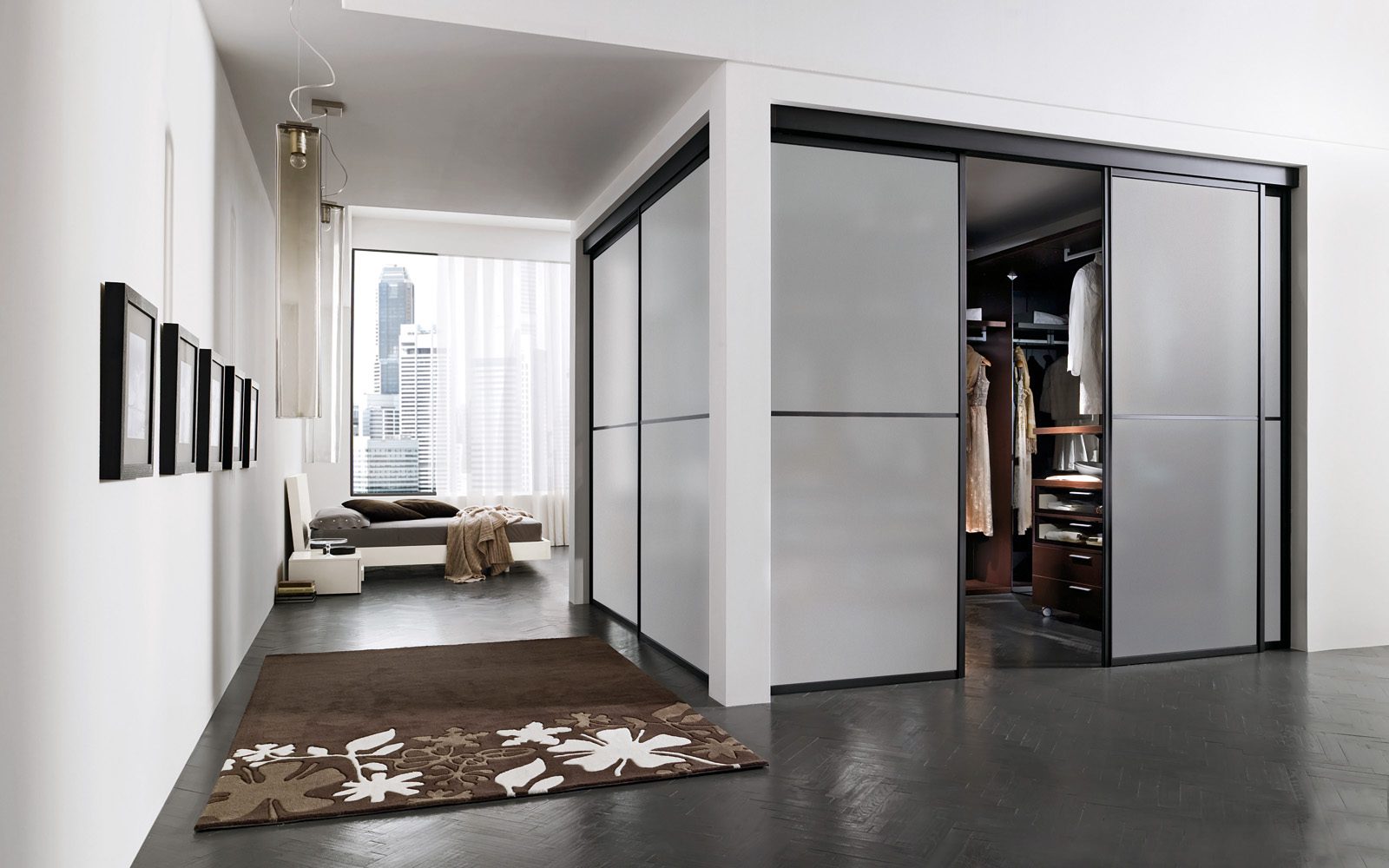
Aluminum profiles for wardrobe door frame may be ordered in partial quantities, but the provided data does not confirm a specific replacement policy for damaged or defective pieces. The product listing shows a minimum order quantity of 1 and a 30-day delivery time, so partial-quantity requests should be confirmed with MEBEL-ALU before purchase, including quantity, […]
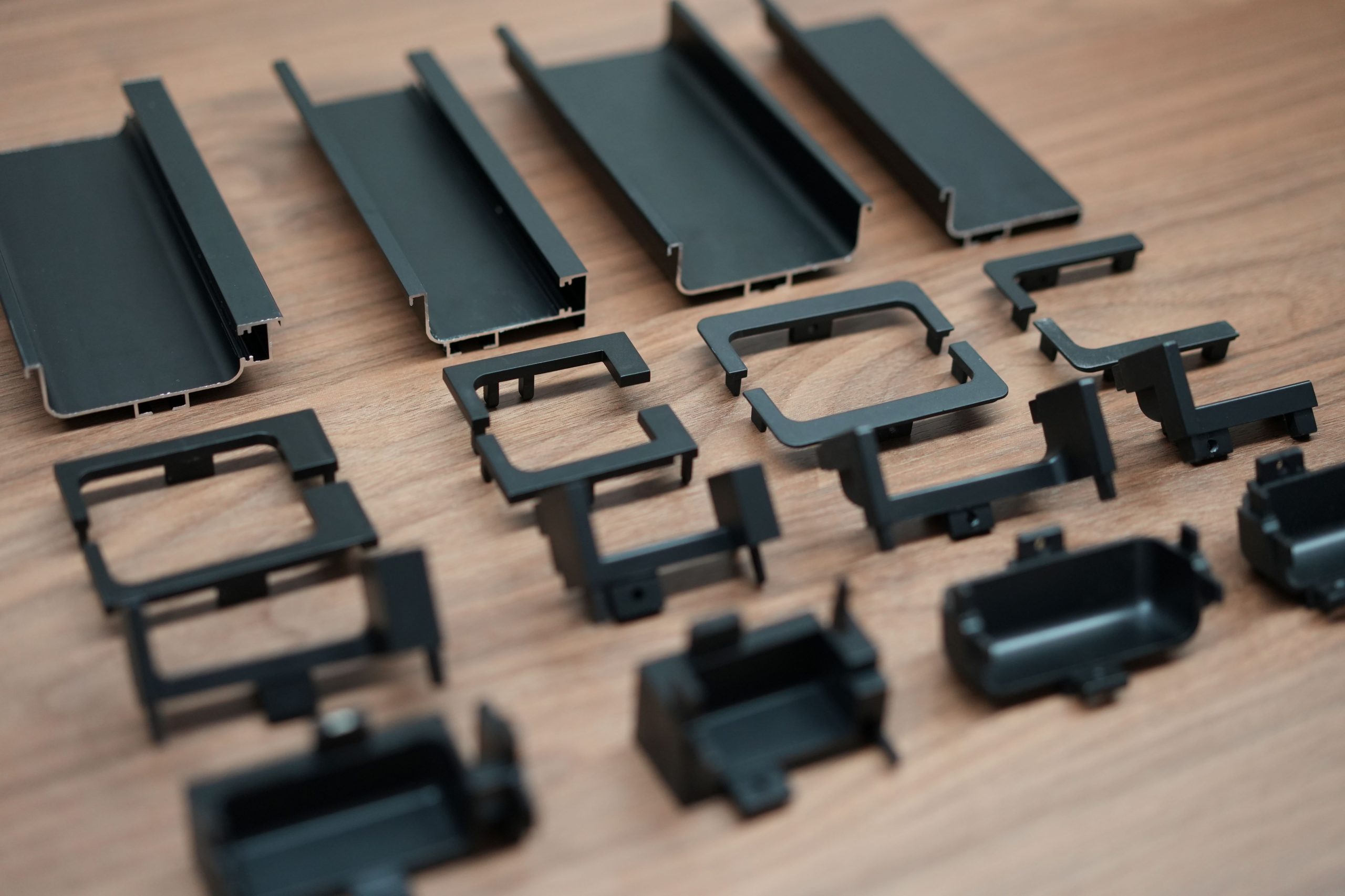
You can request a full cabinet mockup using the Aluminum Gola profile for a handleless kitchen, but the provided product data confirms the profile specification only: 6063 T5. MEBEL-ALU can review the cabinet application and related aluminum furniture requirements; mockup scope, drawings, dimensions, finishes, hardware, and production details must be confirmed with the company. Core […]
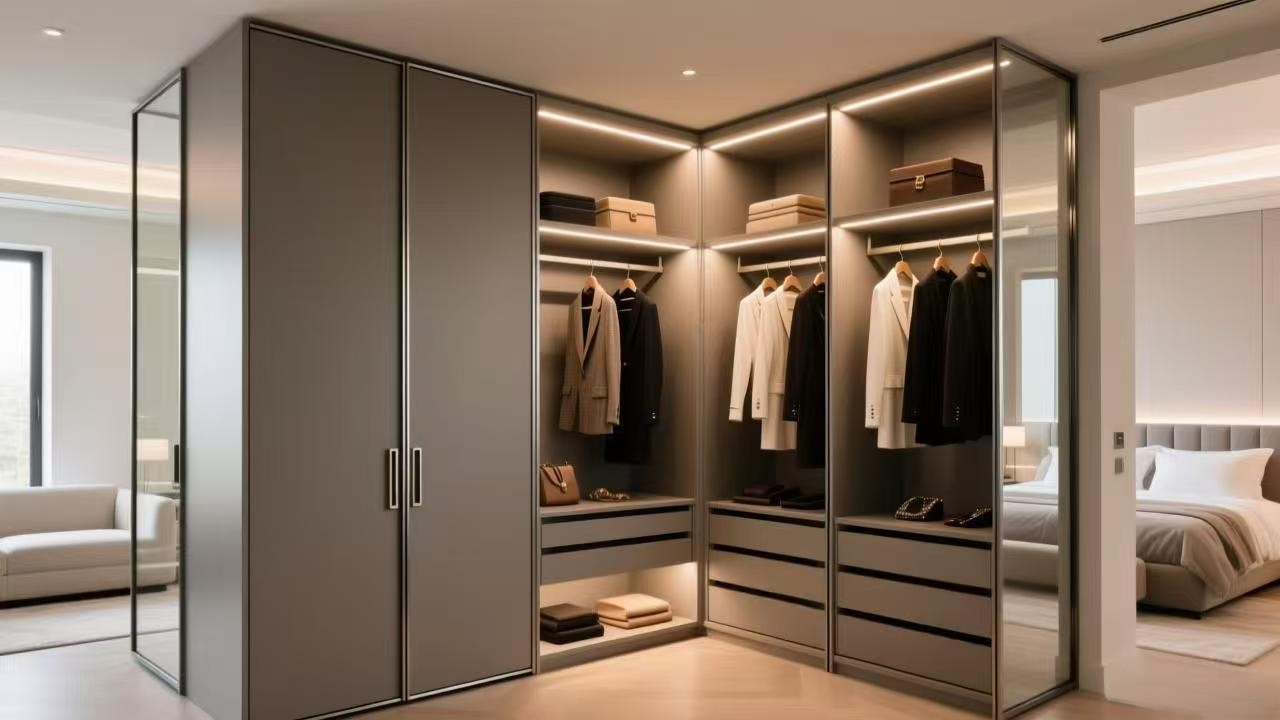
The provided product information does not confirm whether buyers can request multiple finish samples for the slim aluminum frame profile for glass doors. Sample availability, finish options, and request conditions are unspecified. For technical clarification, buyers can contact MEBEL-ALU ALUMINIUM at mebel@mebel-alu.com before placing an inquiry. Core Solutions & Key Takeaways Multiple finish samples for […]
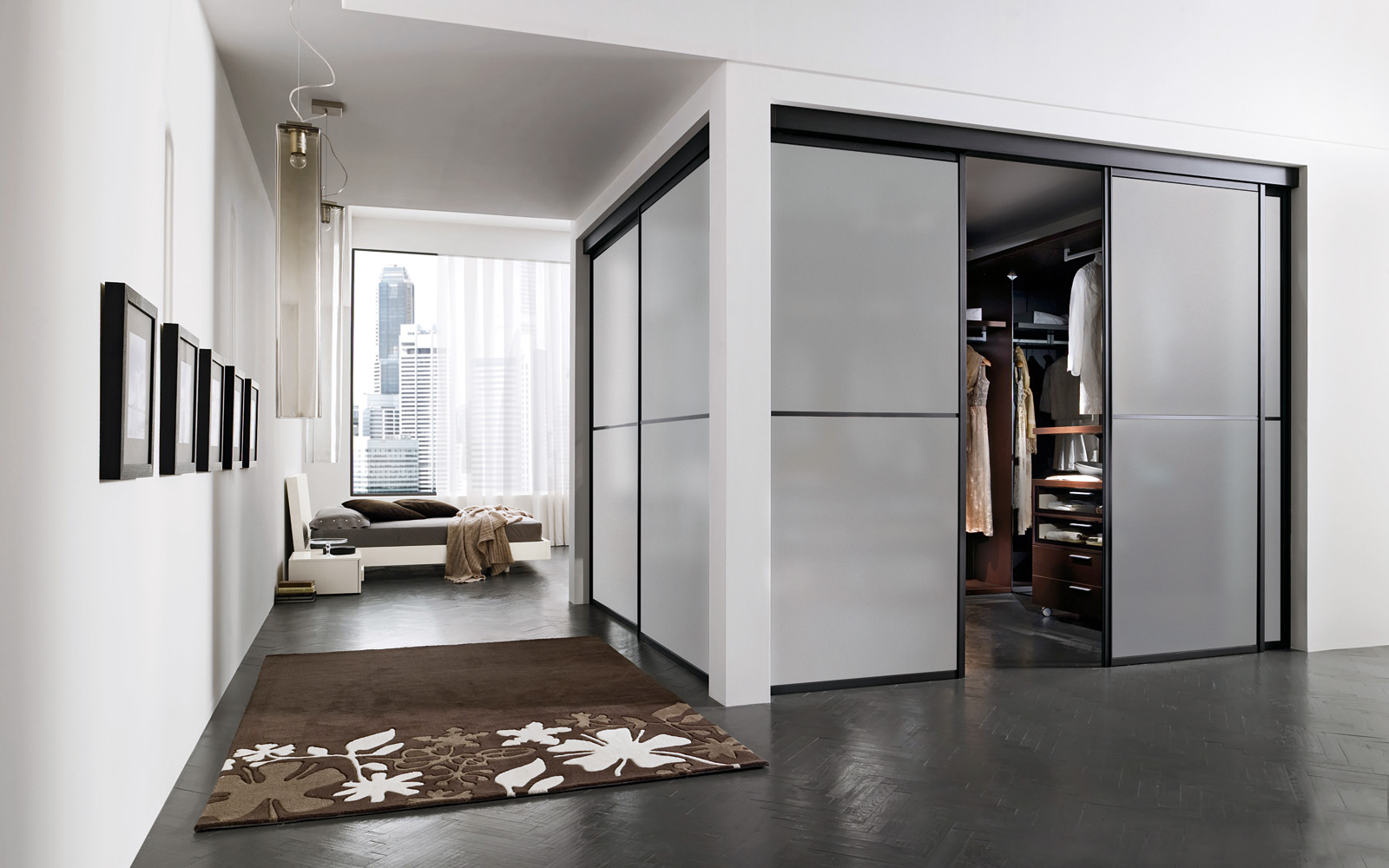
Glass sliding wardrobe door aluminum frame components cannot be confirmed as compliant as a complete set from the available records. The listed wardrobe door aluminum system uses 6063 T5 aluminum profiles, with a product MOQ of 1 and a stated delivery time of 30 days. The data does not provide a complete component list, assembly […]
An aluminium cabinet profile supplier should accept trade assurance payments only when the arrangement is formally supported, with clear coverage for product quality, shipment, and dispute handling. The available supplier data confirms SWIFT payment and FOB trade terms, but it does not confirm trade assurance availability. Buyers should therefore verify payment protection directly before placing […]
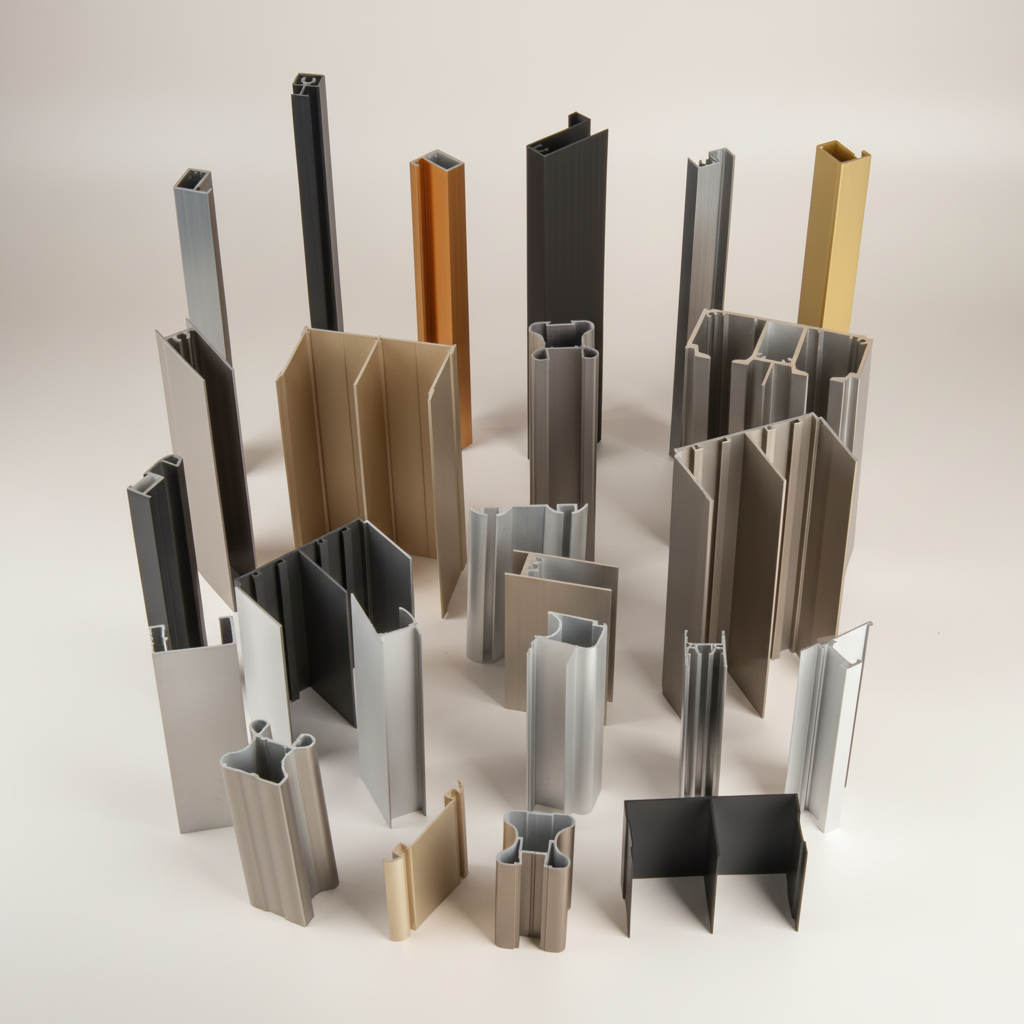
Pack a glass sliding wardrobe door aluminum frame by separating glass and aluminum components, protecting finished profile surfaces, securing each assembly against movement, and preparing the shipment for container transport. For long-distance shipping, confirm the packaging specification with the supplier so the protection method matches the custom aluminum profile extrusion, glass-door configuration, and selected transport […]
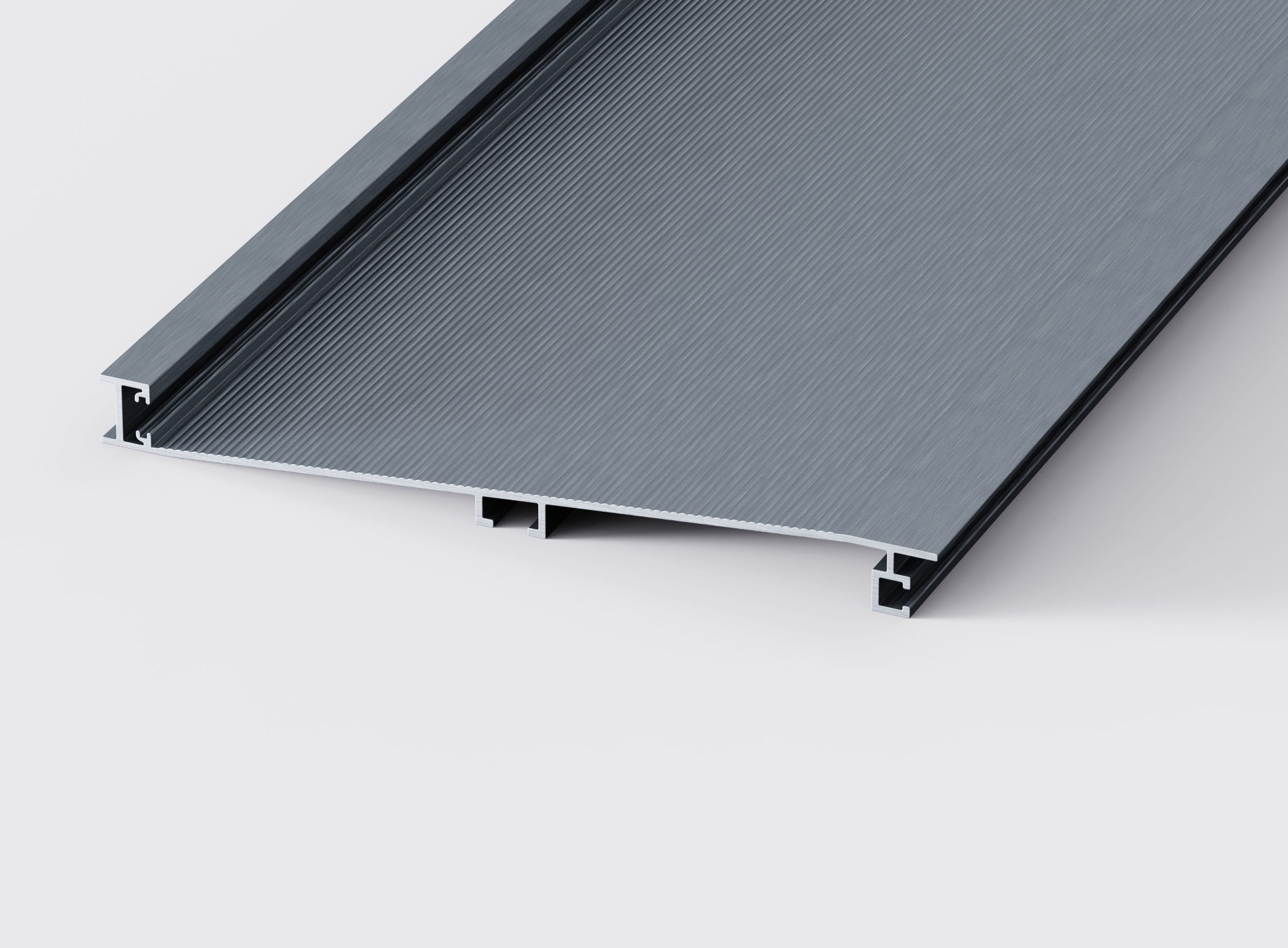
Recycled content can affect aluminum profiles for wardrobe door frame quality through material consistency, surface finish, strength, and processing behavior. The provided data identifies 6063 T5 aluminum tile trim profiles and controlled processes including extrusion, anodizing, brushing, polishing, and CNC machining, but it does not specify recycled content, recycled alloy ratios, or test results. Quality […]
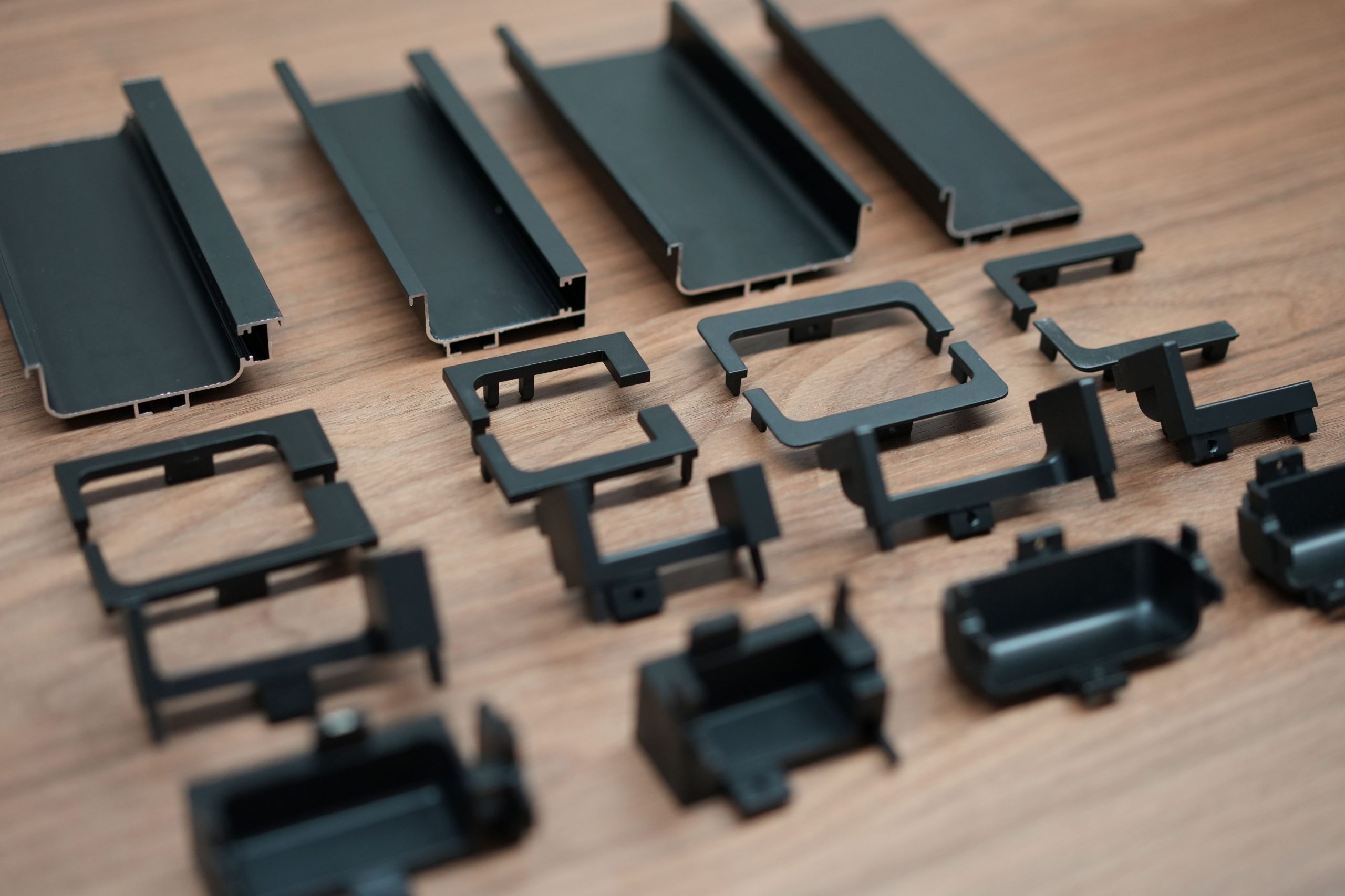
A soft-close channel may be added to a glass sliding wardrobe door aluminum frame only when the frame and channel have matching interfaces and sufficient installation space. The provided product data identifies a Gola profile for handleless kitchens, but it does not confirm compatibility with glass sliding wardrobe doors or a specific soft-close channel. Technical […]
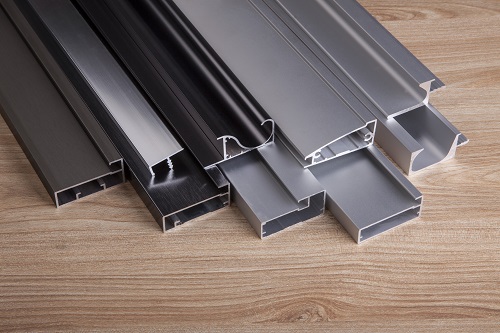
The supplied data does not state a price difference for thicker aluminum profiles used in wardrobe door frames. It lists kitchen cabinet aluminum profiles with a 6063 T5 parameter, but provides no thickness options, unit prices, weight-based rates, tooling charges, or quotation terms. Therefore, the exact additional cost for a thicker wardrobe door frame profile […]
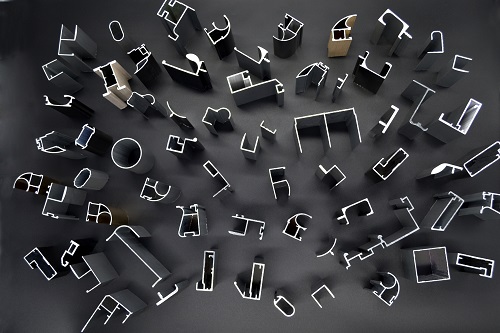
The provided data does not identify a surface finish that hides scratches best on aluminum profiles for wardrobe door frames. The sliding wardrobe door aluminum frame is specified as 6063 T5, while the listed certifications cover anodized, electrophoretic coating, powder coating, and paint coating profiles without reporting comparative scratch-hiding performance. A finish therefore cannot be […]
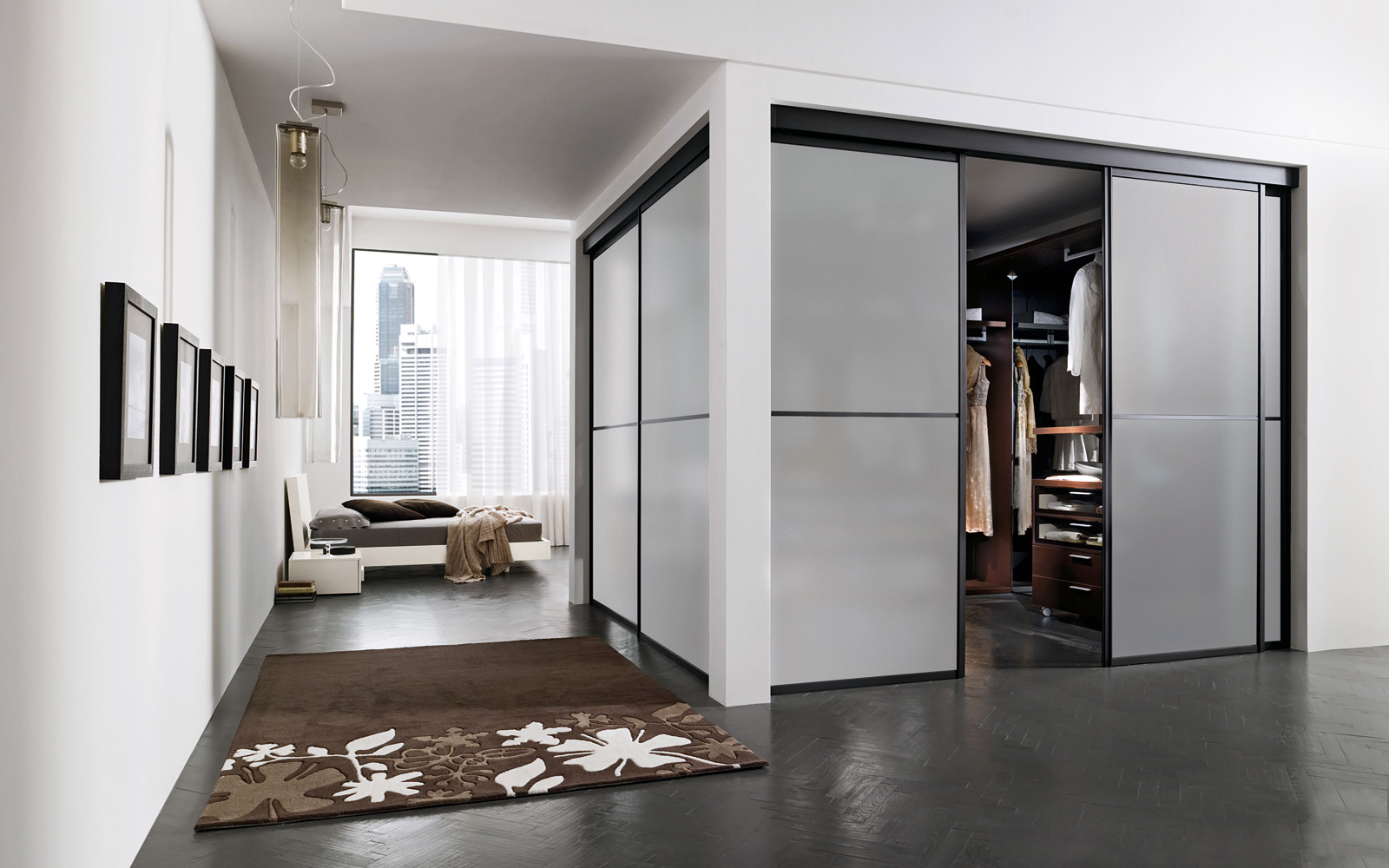
Future-proof sourcing from an aluminium cabinet profile supplier requires verified manufacturing capability, stable profile specifications, documented quality systems, and clear delivery terms. MEBEL-ALU supports this approach with in-house aluminium processing, 6063 T5 wardrobe door profiles, a stated 30-day delivery time, FOB trade support, and production capacity for aluminium profiles and precision-finished components. Core Solutions & […]
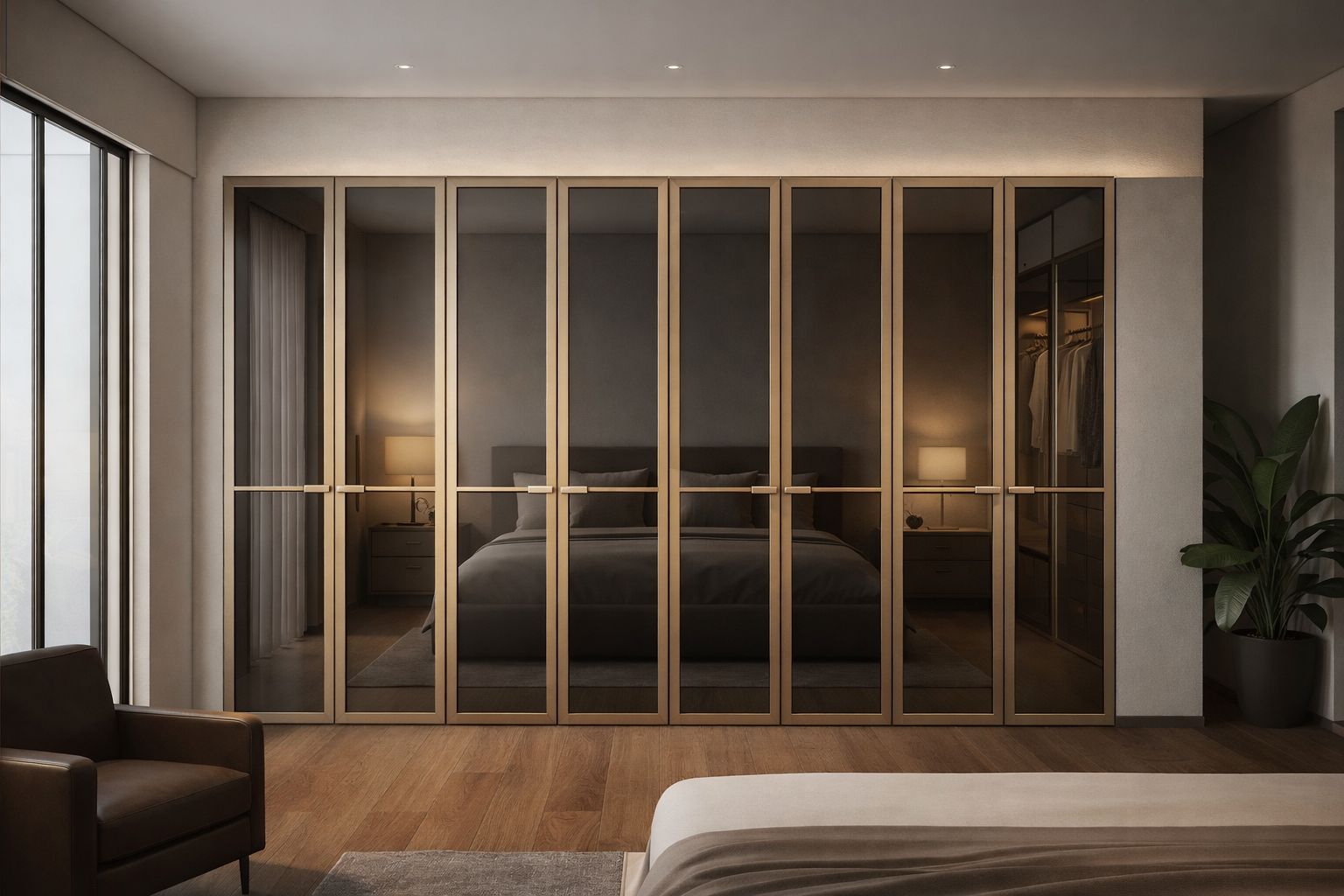
Suppliers protect Slim aluminum frame profile for glass doors during transit through controlled in-house manufacturing, quality management, and organized FOB container transportation. MEBEL-ALU produces and finishes aluminium profiles under one roof, uses documented quality systems, and supports rail transport, maritime shipping, and full-container logistics. The supplied data does not specify packaging materials or individual protective […]
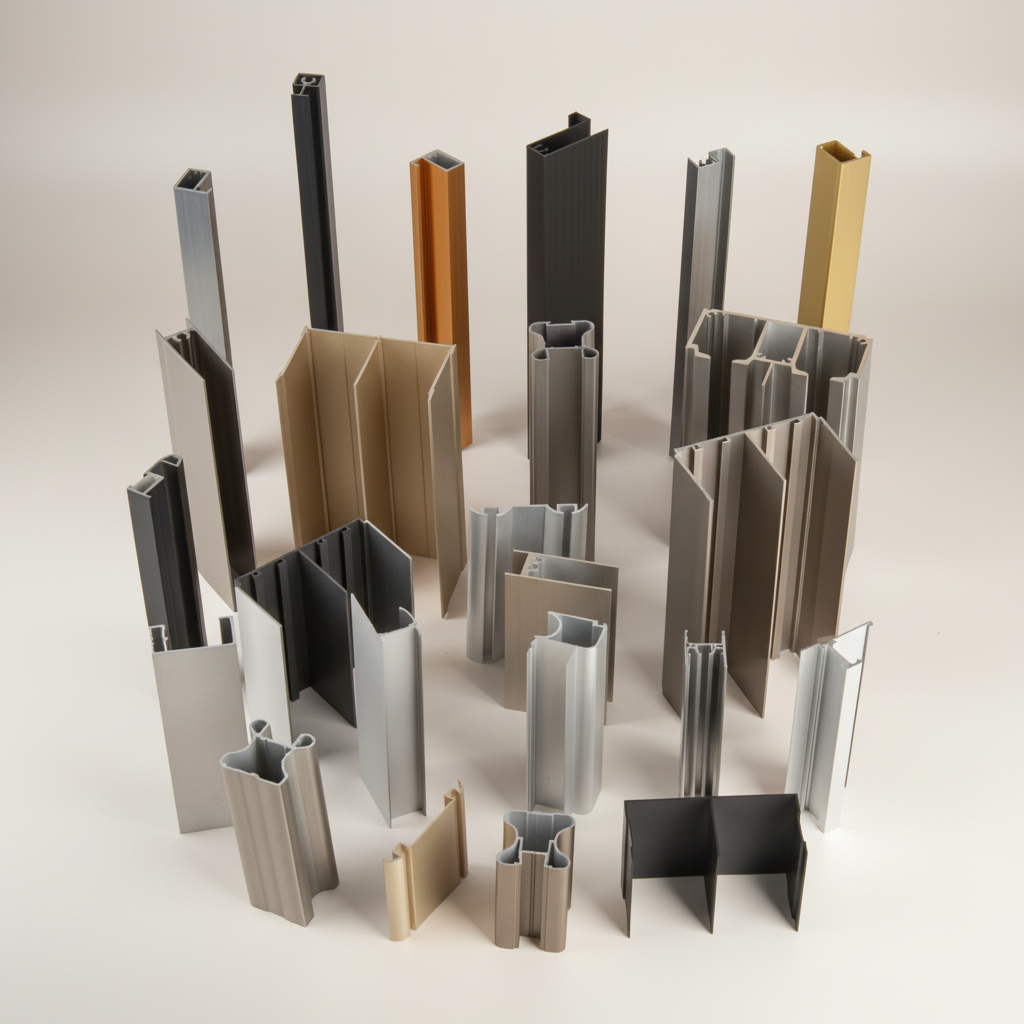
Calculate losses from defective aluminum extrusion for furniture by adding the value of defective material, rework, inspection, disposal, and directly attributable logistics or delay costs, then subtracting any recoverable scrap value. Use the actual defective quantity and documented unit costs for the 6063 T5 custom aluminum profile extrusion; the supplied data does not provide prices […]
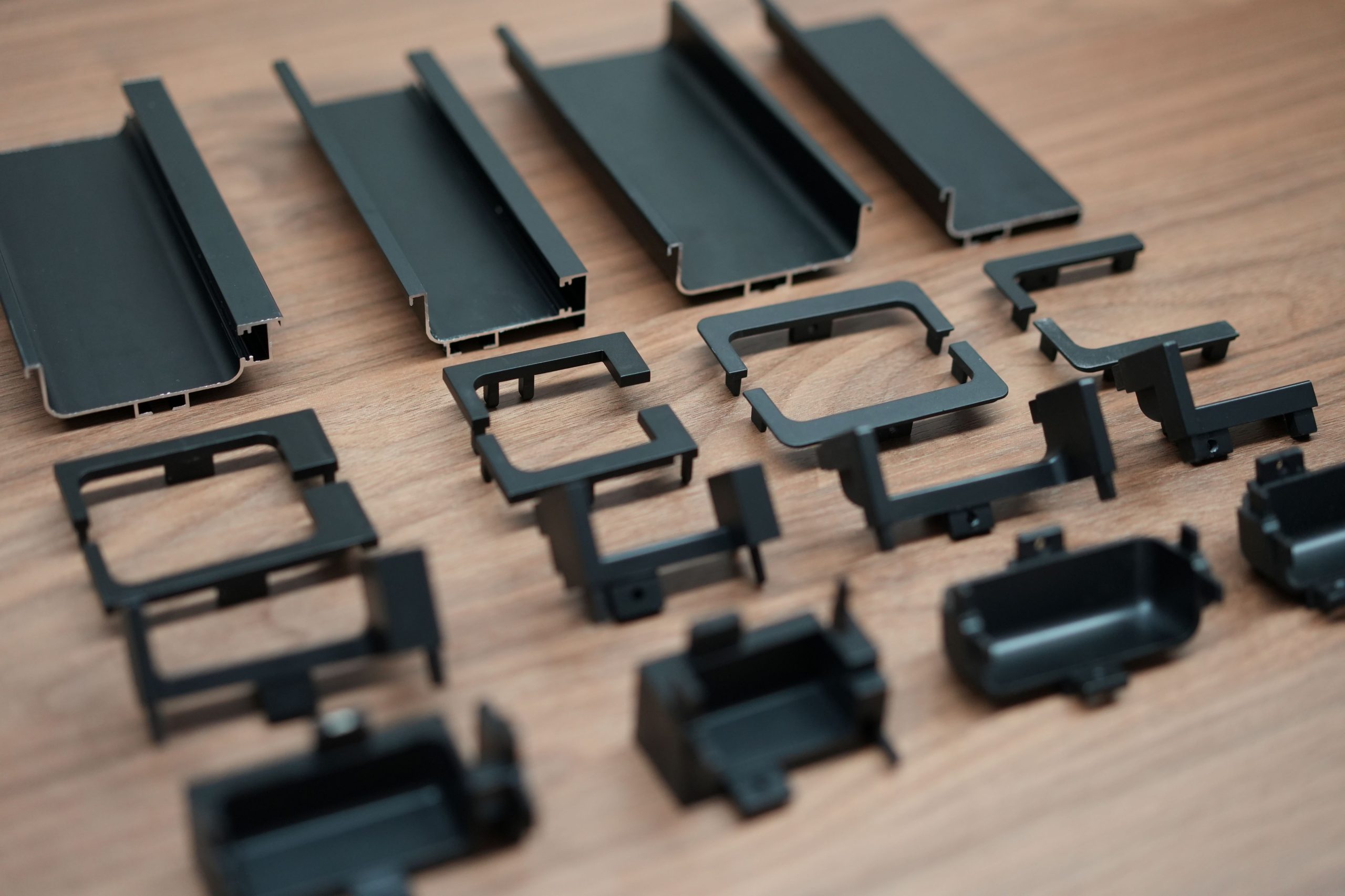
The cost of new tooling for aluminum extrusion for furniture is not specified in the available product or company data. A confirmed price requires a project-specific quotation based on the Gola profile design, 6063 T5 material, tooling requirements, order details, and any precision finishing or CNC processing included in the scope. Core Solutions & Key […]
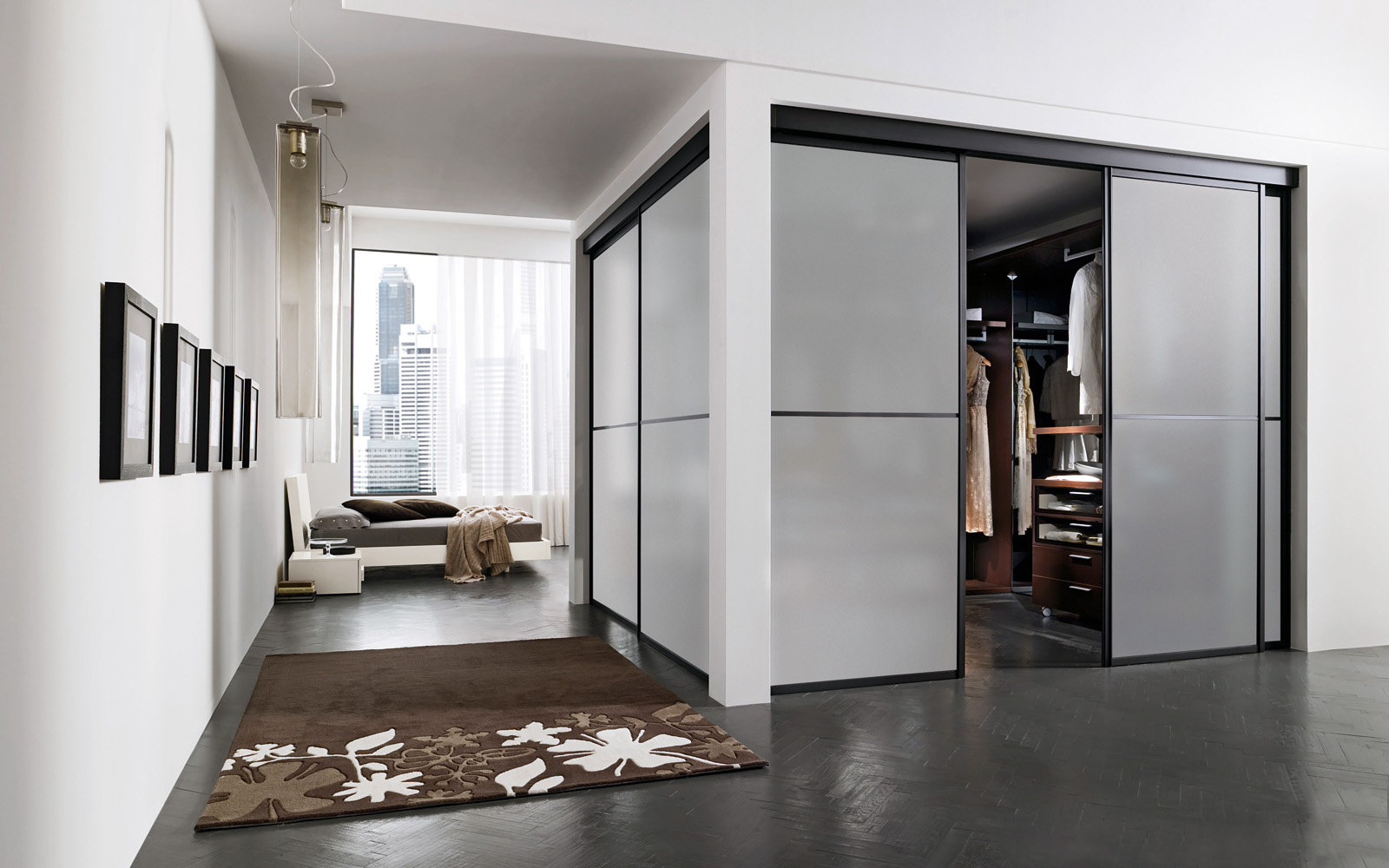
The provided data does not confirm that aluminum extrusion for furniture prices are tied to current aluminum market rates. It lists product specifications, minimum order quantities, delivery times, and manufacturing capacity, but provides no pricing formula, raw-material index, surcharge policy, or market-rate adjustment. Buyers should therefore request a quotation that states whether aluminum market changes […]
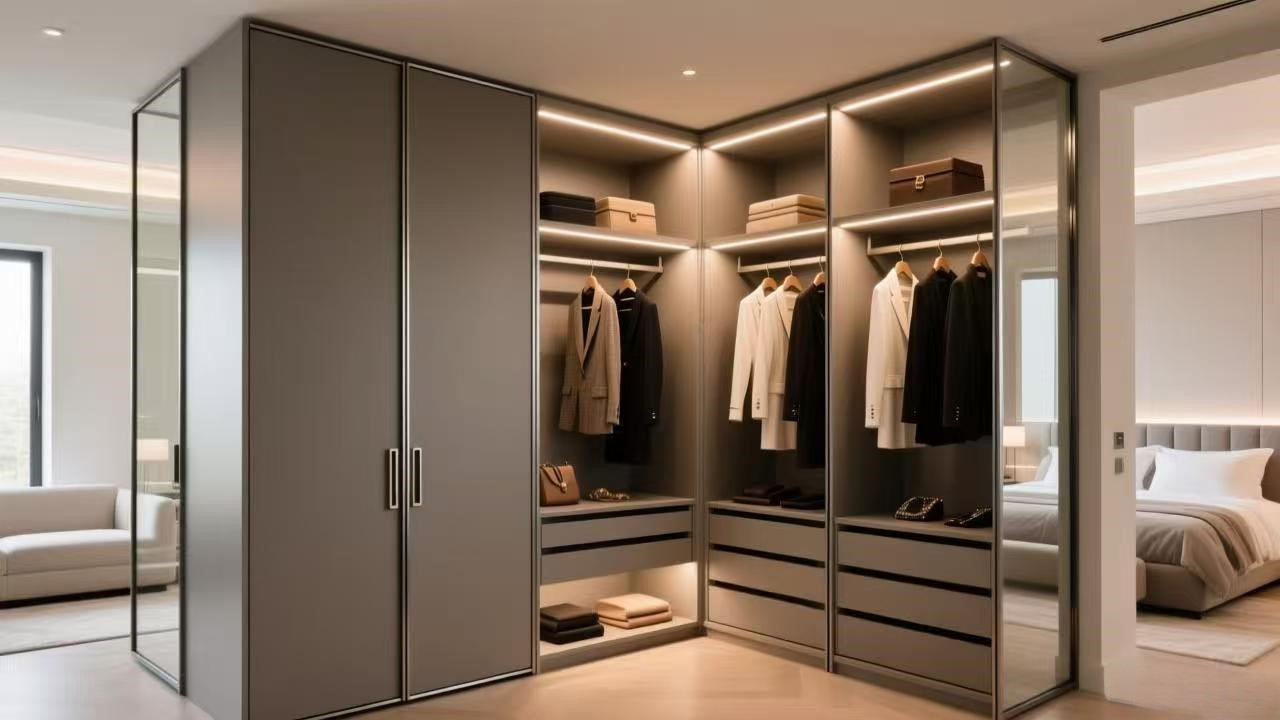
For aluminum profiles for wardrobe door frames, a fair payment schedule should link each payment to an agreed purchasing milestone, with the full terms recorded in the sales contract. MEBEL-ALU supports SWIFT payment and FOB trade, while the available business model lists a 12,000 kg MOQ and a 40-day delivery time. Confirm any deposit, balance, […]
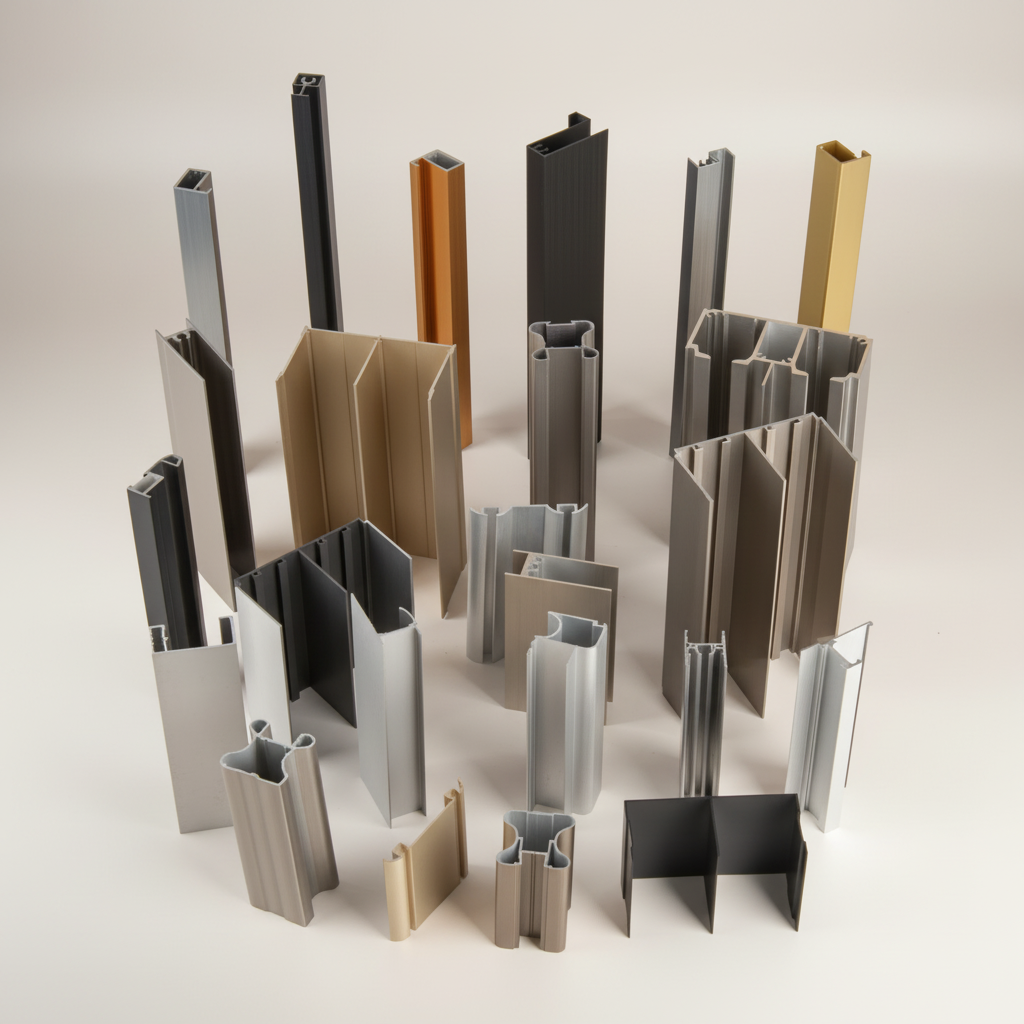
Scrap rates directly increase the effective material cost of aluminum profiles for wardrobe door frames because discarded extrusion, cutting waste, and rejected surface finishes consume material and processing capacity without producing sellable output. For custom aluminum profile extrusion for furniture, controlling scrap during extrusion, CNC cutting, finishing, and inspection helps stabilize unit costs, delivery planning, […]
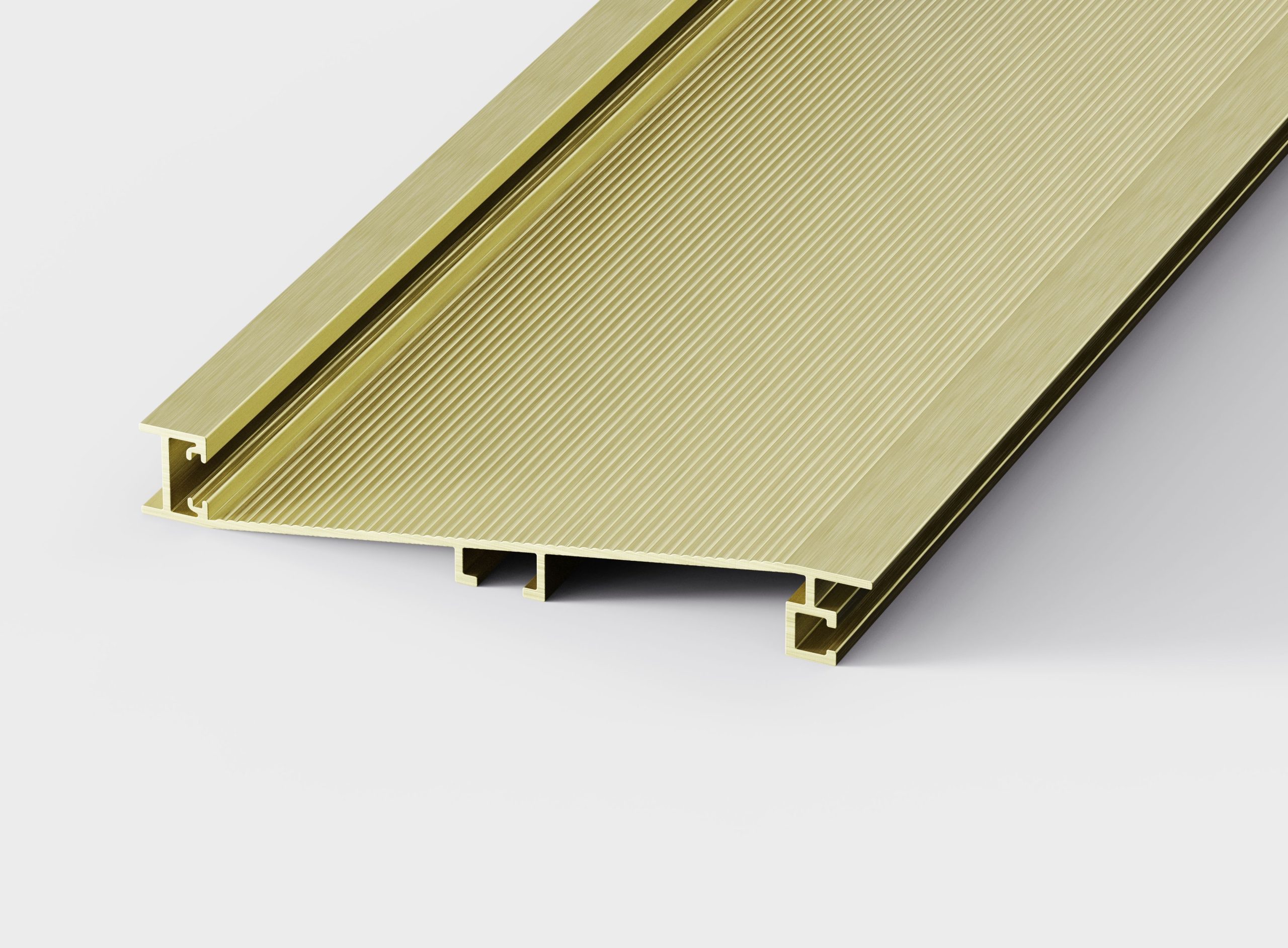
A third-party audit for a glass sliding wardrobe door aluminum frame can be requested, but the available company data does not confirm a dedicated third-party audit service. MEBEL-ALU ALUMINIUM provides aluminum furniture profiles, holds quality and occupational health and safety management certificates, and can be contacted to confirm audit access, scope, documentation, and inspection arrangements. […]
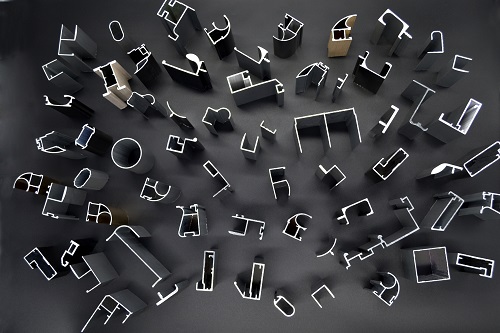
For aluminum profiles used in wardrobe door frames, the provided records identify the product as a sliding wardrobe door aluminum frame made from 6063 T5 aluminum. The supplied data does not define warranty claim documentation requirements. Retain the available product identifier, product keyword, material specification, product image, order records, and documented defect evidence, then confirm […]
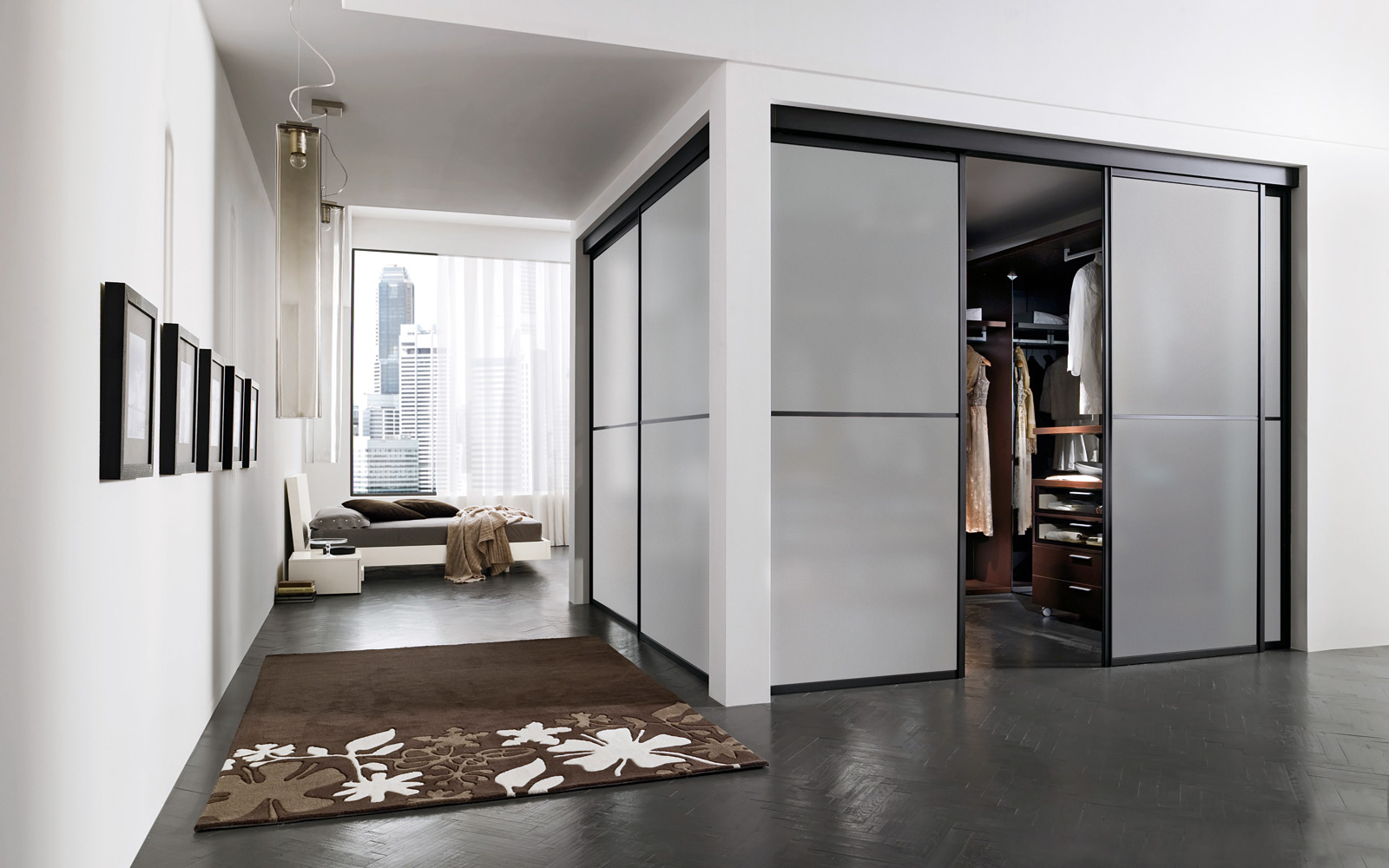
An aluminium cabinet profile supplier should confirm compatibility with the intended door or cabinet system, including the 6063 T5 profile specification, frame dimensions, connection method, handles, and matching hardware. For wardrobe door aluminium systems, the supplier should also verify whether its precision-finished handles, frames, and related accessories fit the selected profile before production. Core Solutions […]
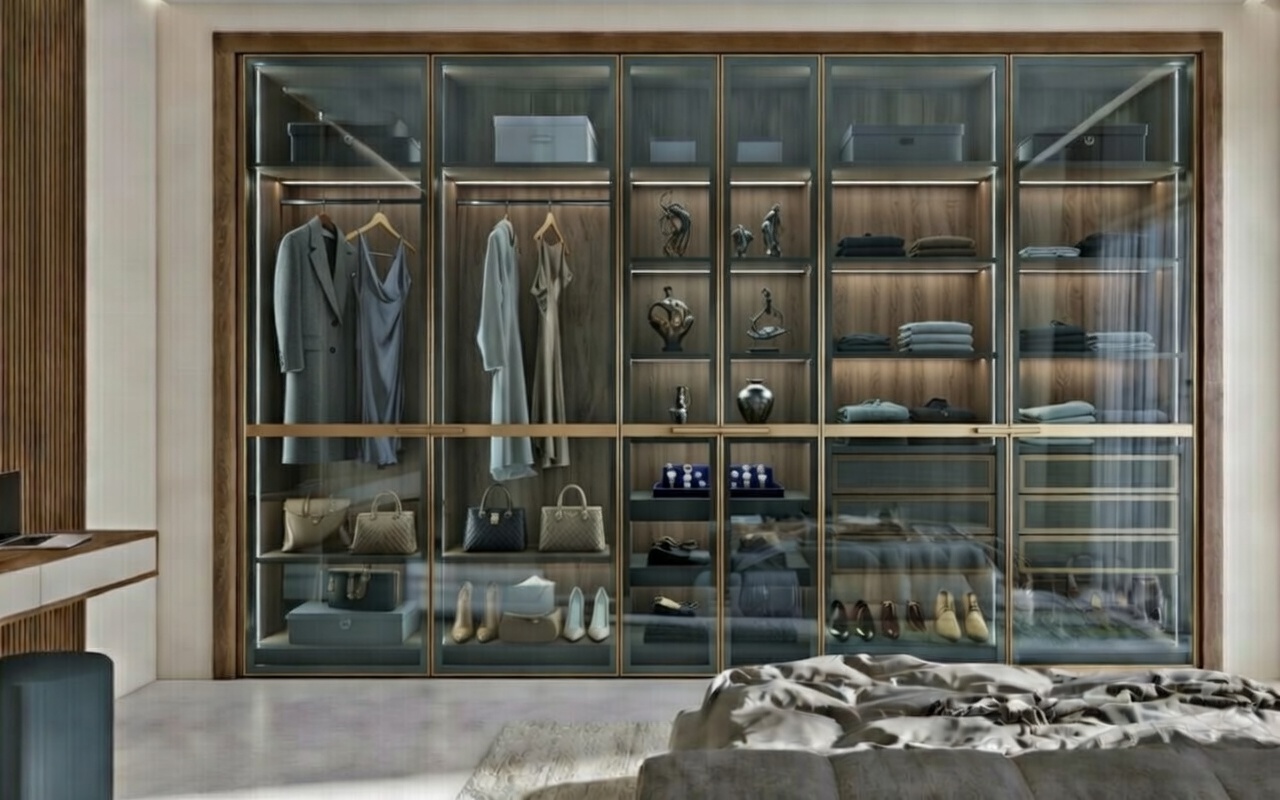
Yes, aluminum extrusion for furniture can include drilled holes and cutouts when the profile is processed with suitable CNC machining. For slim aluminum frame profiles used in glass doors, these operations can support fit, assembly, and hardware integration. MEBEL-ALU ALUMINIUM reports in-house high-precision CNC machining and precision-cut product capability, while exact hole locations, cutout shapes, […]
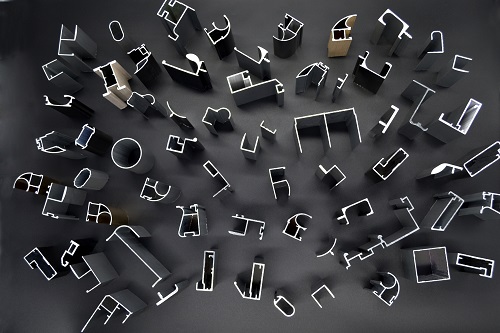
An audit can confirm glass sliding wardrobe door aluminum frame traceability when available records connect the 6063 T5 profile specification to production, surface-finishing, CNC machining, and delivery stages. MEBEL-ALU ALUMINIUM manages extrusion, anodizing, brushing, mechanical polishing, and precision machining in-house, creating identifiable manufacturing checkpoints for audit review. Core Solutions & Key Takeaways Traceability review should […]
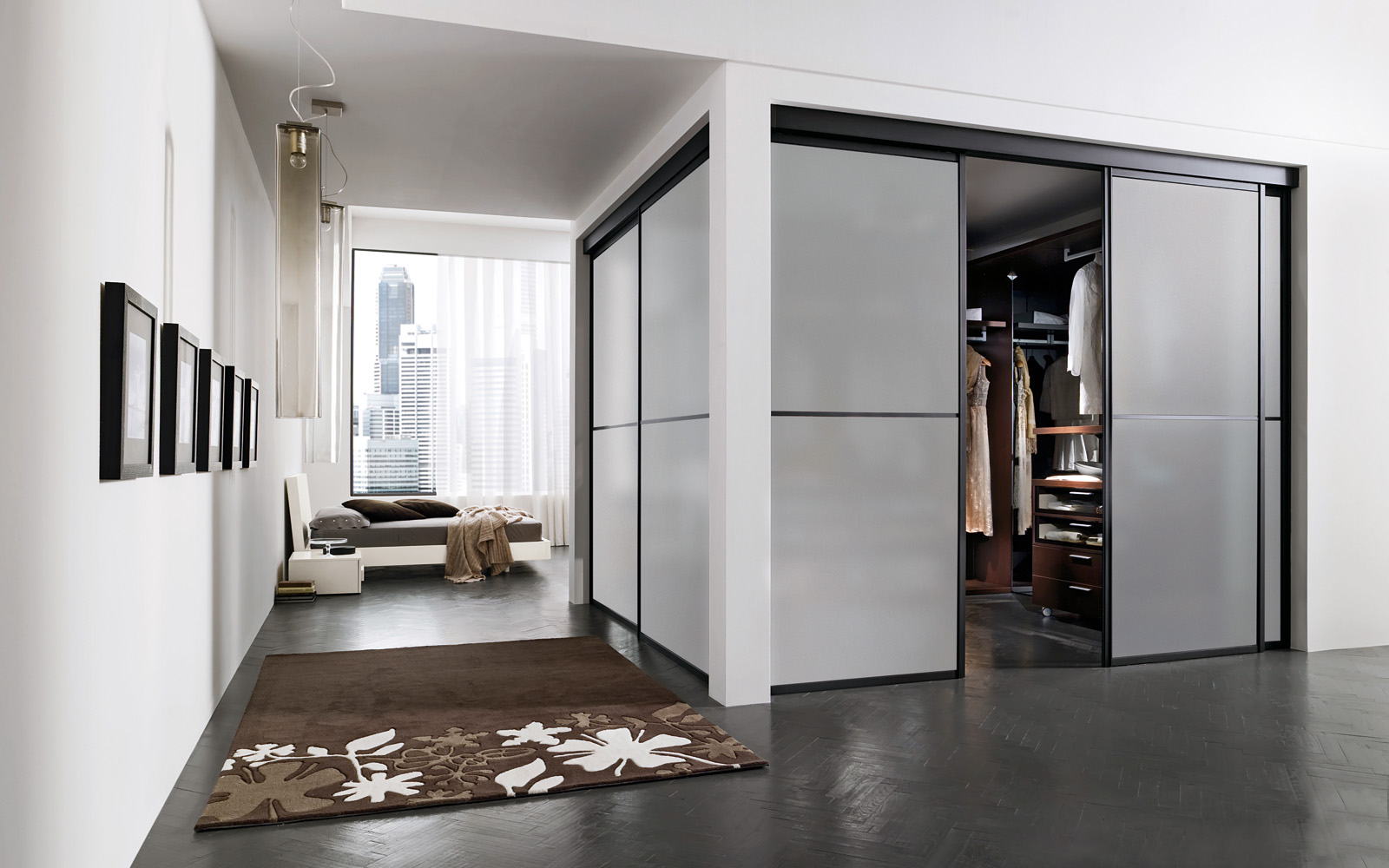
A written quality agreement is appropriate for aluminum profiles for wardrobe door frame because the available order data lists a 6063 T5 wardrobe door aluminum system while the product and FOB records show different MOQ and delivery-time entries. The agreement should state the applicable product specification, acceptance basis, order quantity, delivery schedule, and any mutually […]
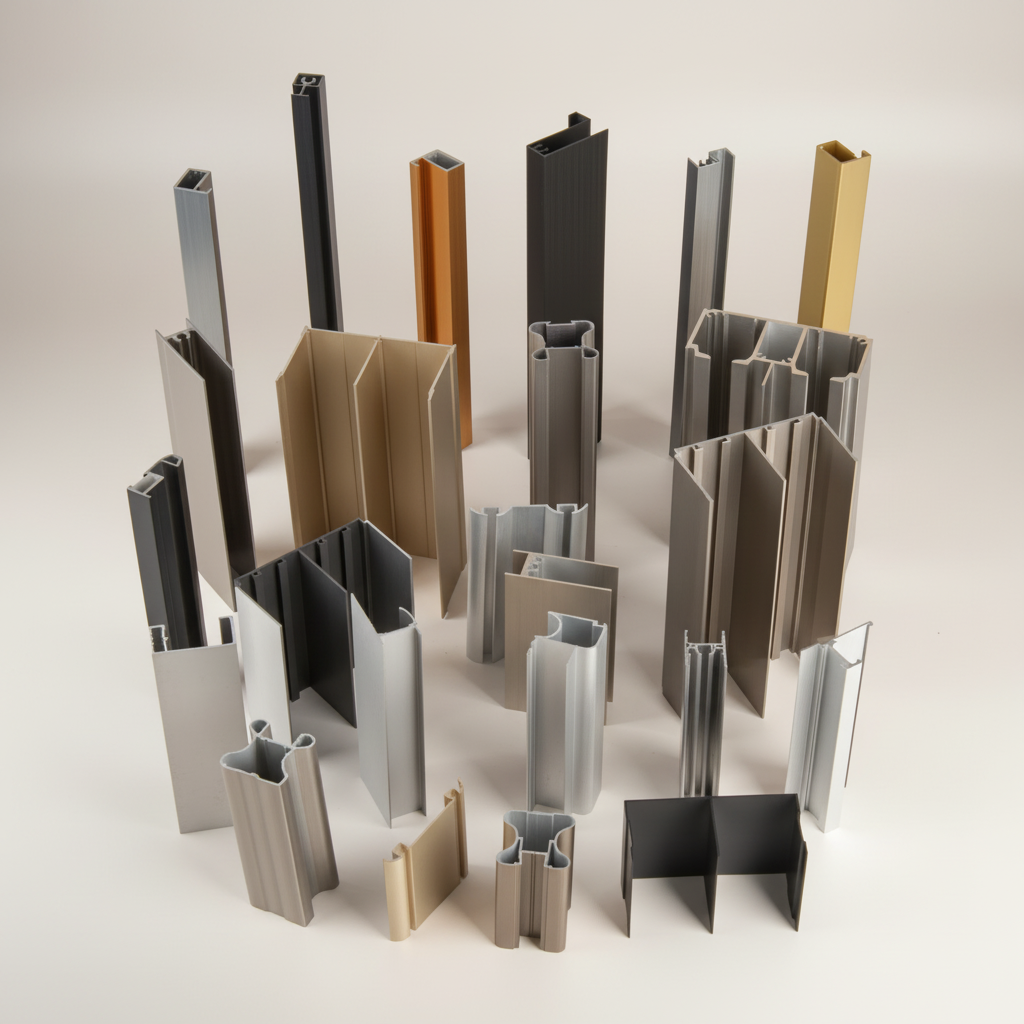
Yes. Diversifying beyond one aluminium cabinet profile supplier can reduce exposure to price changes, production interruptions, and delivery constraints, but it should be based on verified capacity, quality systems, product fit, and logistics terms. Keep the primary supplier where performance is consistent, while qualifying a second source for custom aluminium furniture profile extrusion and related […]
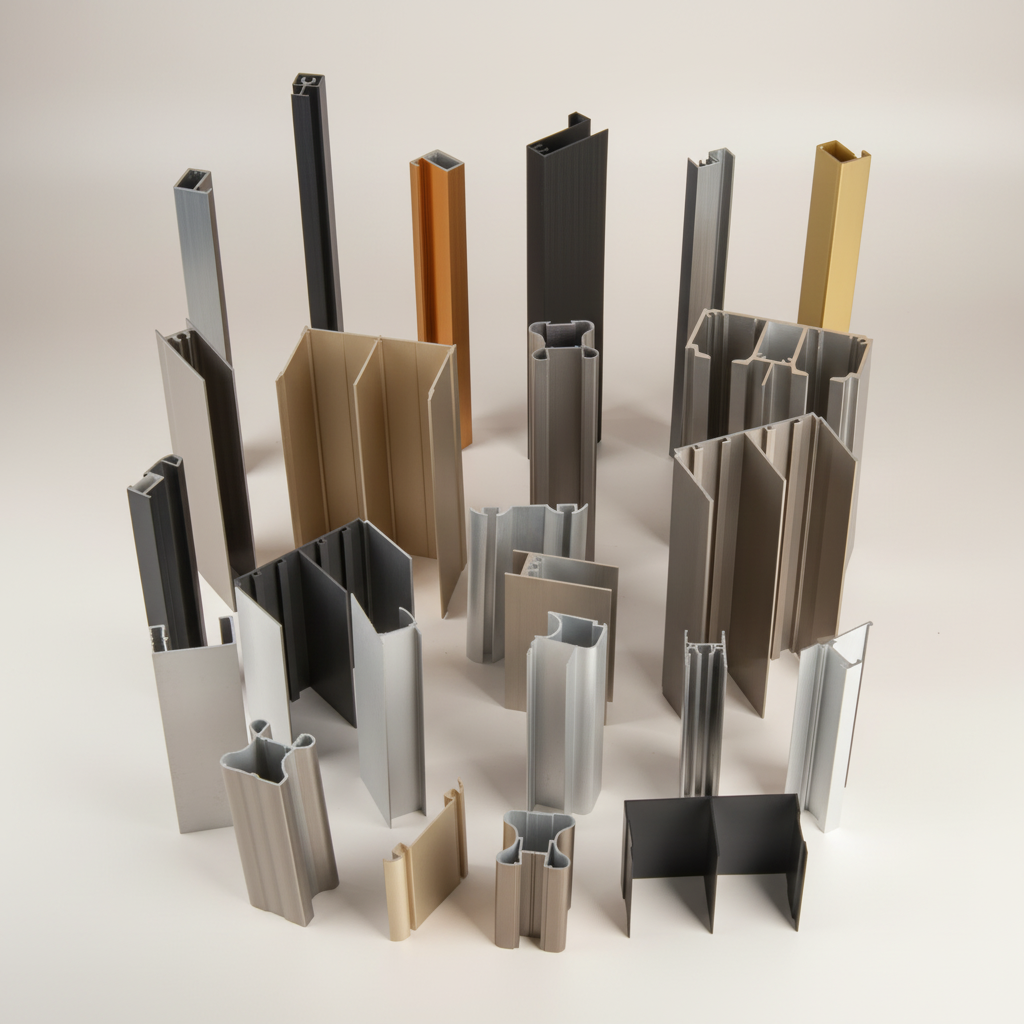
To select aluminum extrusion for furniture exposed to frequent cleaning, start with the specified 6063 T5 profile, then confirm a surface finish compatible with the cleaning process. Compare anodized, electrophoretic, powder-coated, or paint-coated options within the available production scope, prioritizing smooth, precisely machined surfaces. Request finish and cleaning validation because the supplied product data does […]
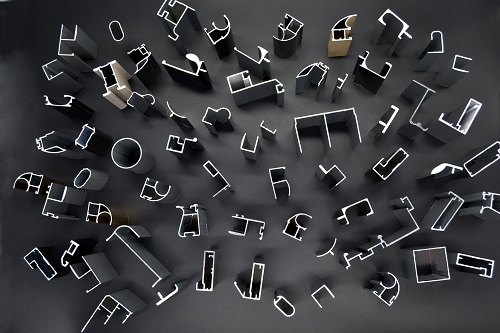
Buying glass sliding wardrobe door aluminum frame by container can be more economical when demand is stable and the order reaches the applicable FOB purchasing volume. MEBEL-ALU offers FOB shipping with rail, maritime, and full-container transportation support. However, the available data does not provide unit prices, freight rates, or product-specific MOQ, so actual savings require […]
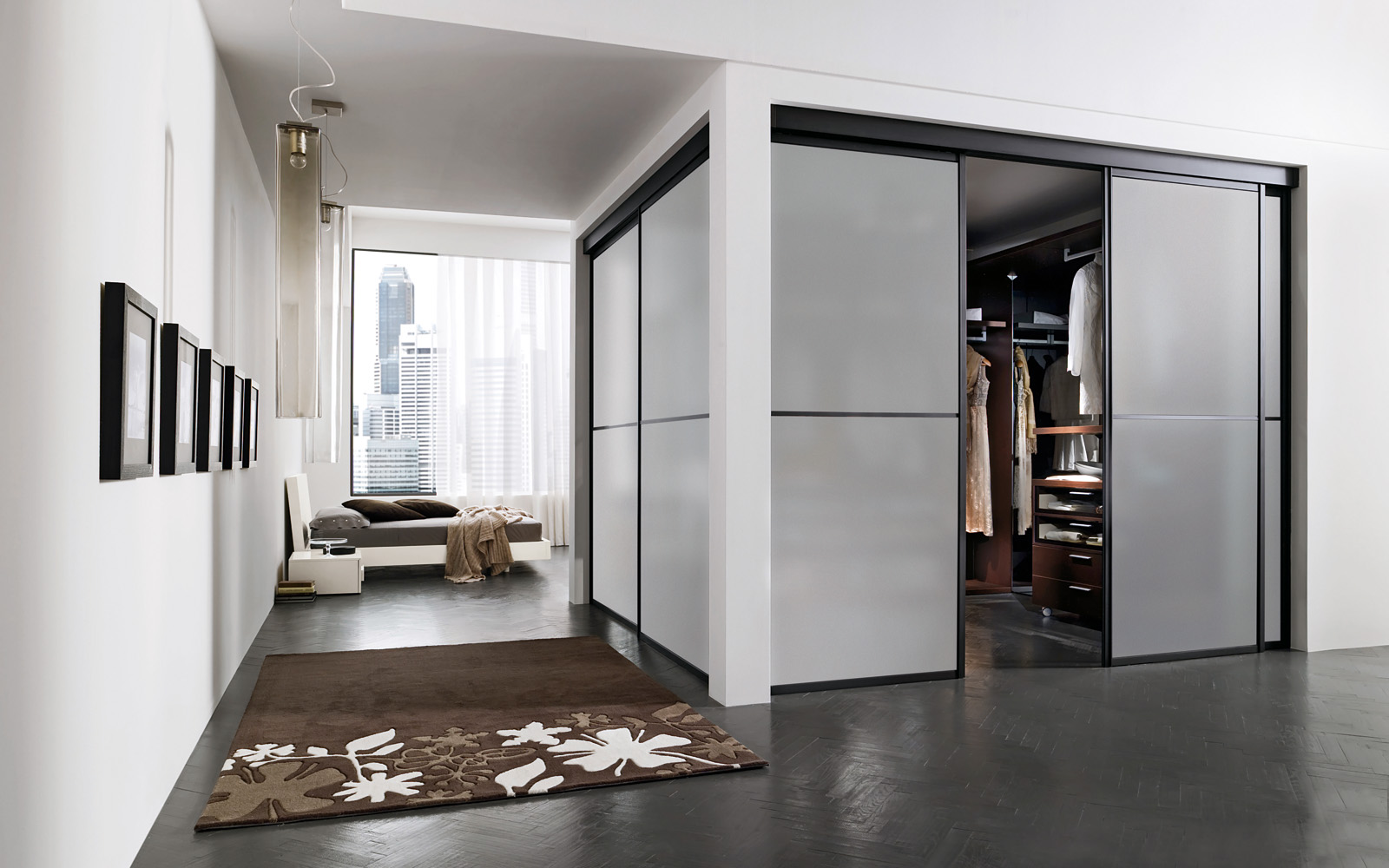
Slim aluminum profiles for wardrobe door frames are not inherently harder to source consistently when the supplier has integrated extrusion, surface-finishing, and CNC capabilities. MEBEL-ALU offers a wardrobe door aluminum system using 6063 T5 aluminum, with a product MOQ of 1 and a stated delivery time of 30 days. Consistency should be assessed through manufacturing […]
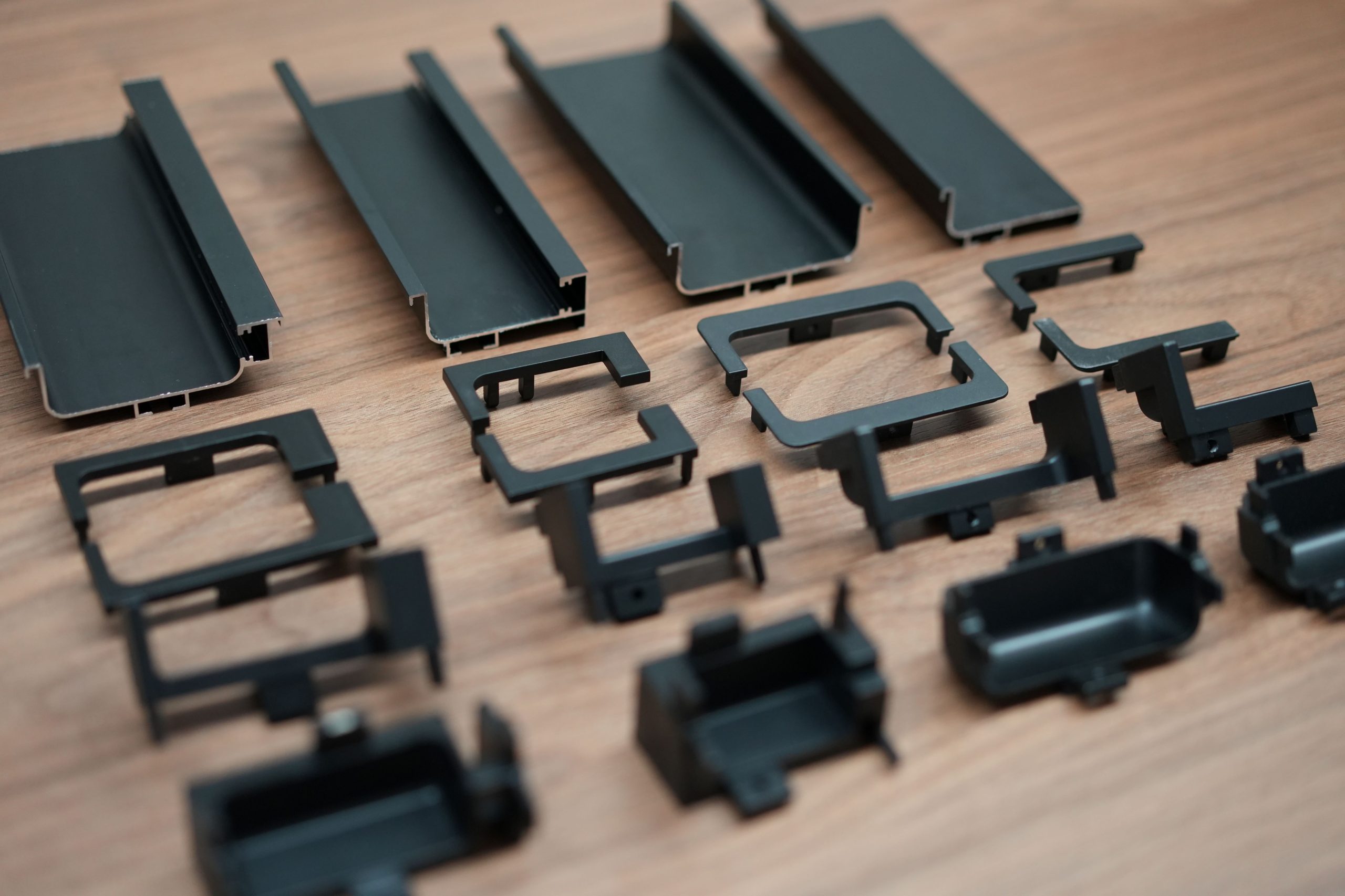
If Aluminum Gola profile for handleless kitchen pricing changes after deposit, review the written quotation, purchase terms, product specification, and payment record before accepting the revision. Ask MEBEL-ALU to explain the change in writing, confirm whether the deposited order remains tied to the original price, and document any agreement on price, quantity, delivery, or cancellation. […]
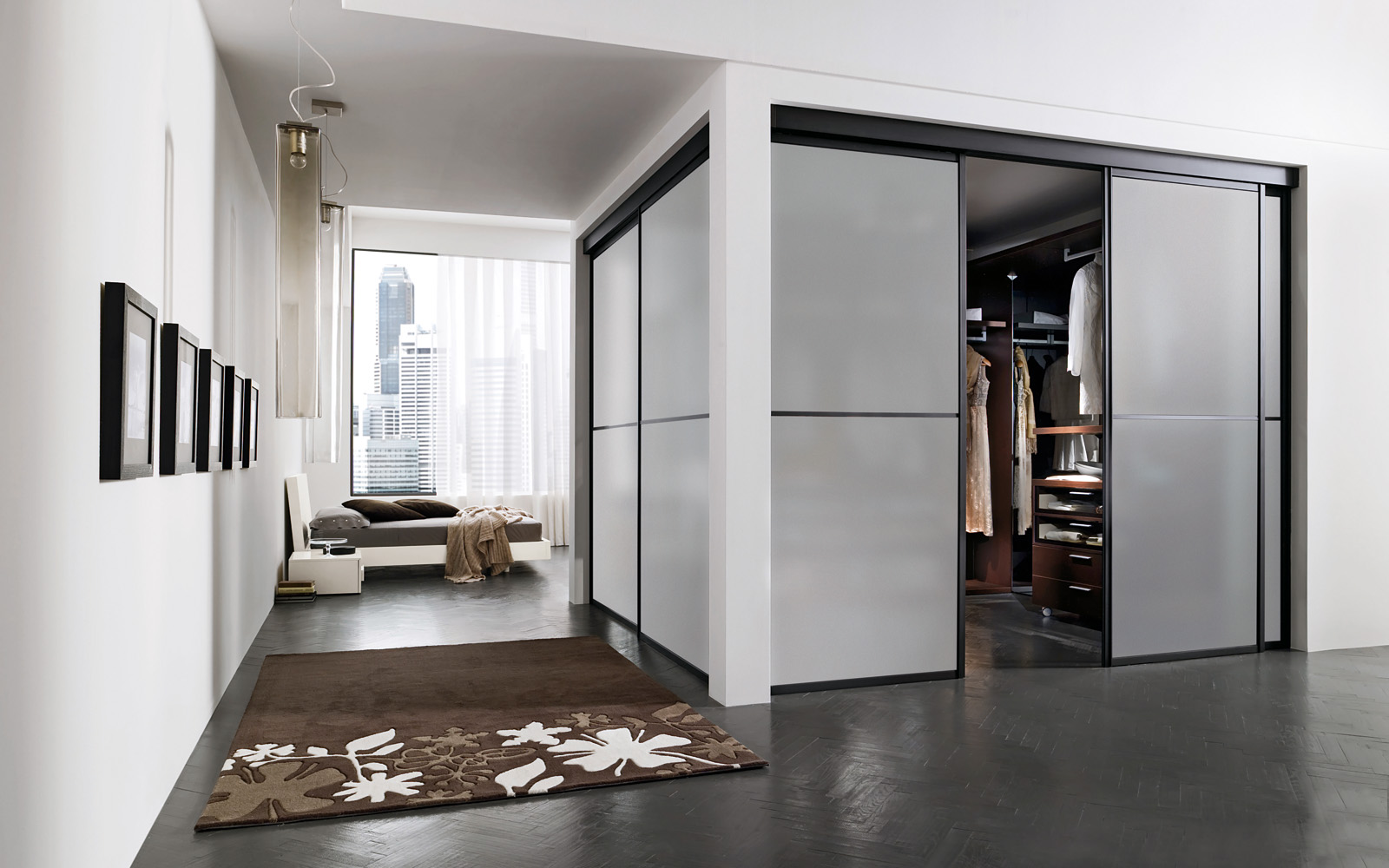
Corner joints affect aluminum profiles for wardrobe door frame strength by determining how securely frame members meet, align, and transfer loads. A well-matched joint can support consistent frame geometry, while poor fit or insufficient joint engagement may reduce structural stability. For the 6063 T5 wardrobe door aluminum system, the available product data does not specify […]
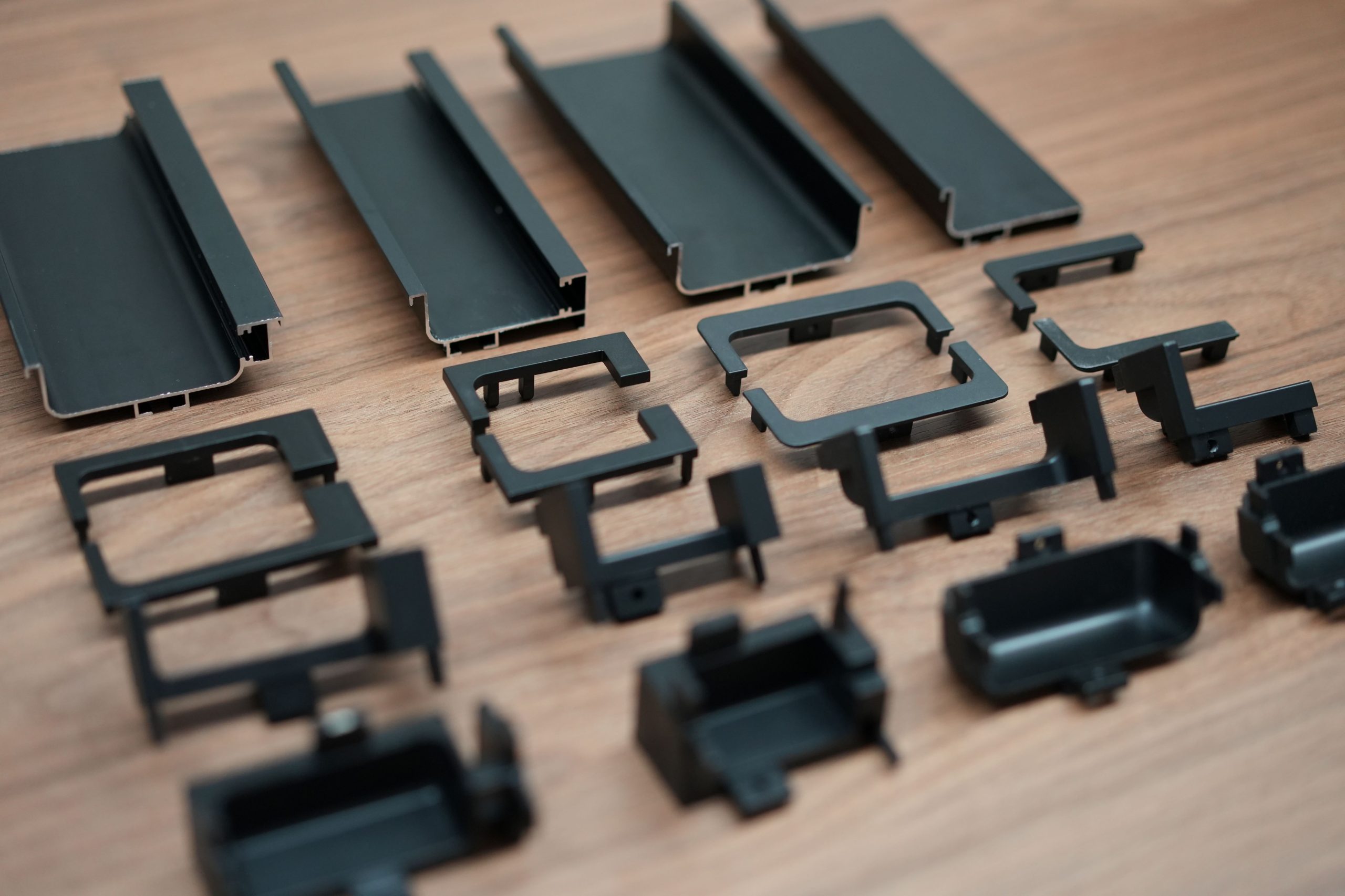
The provided data does not specify a recommended wall thickness for the Aluminum Gola profile for handleless kitchen applications. The product is identified as a 6063 T5 Gola profile, but no wall-thickness value, tolerance, load requirement, or technical drawing is supplied. Wall thickness should therefore be confirmed through the manufacturer’s product specification before design, tooling, […]
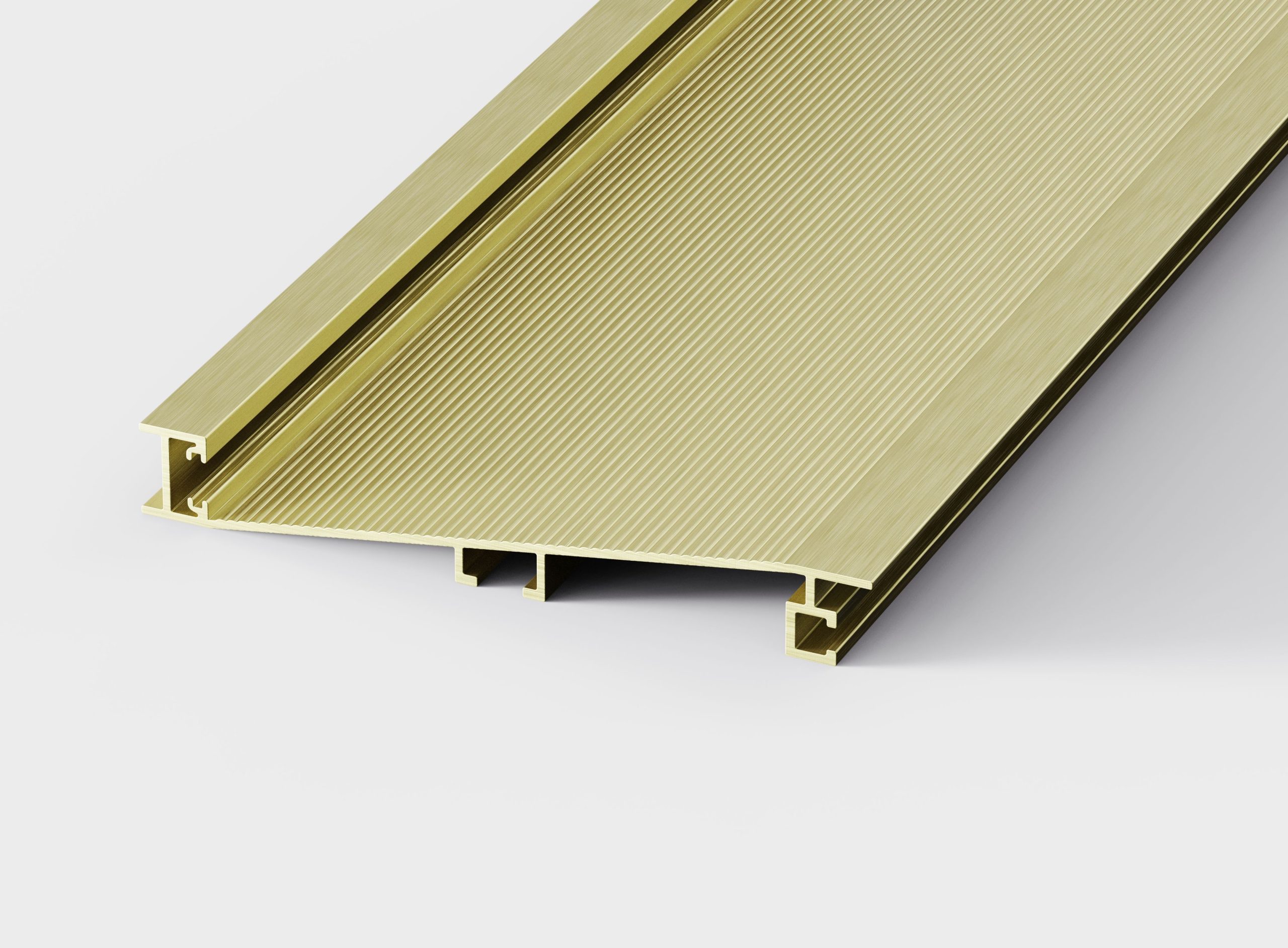
No single profile height is identified as the best choice for aluminum skirting and edge profiles in the provided data. The suitable height should be selected according to the tile edge, skirting position, installation interface, and required visual coverage. MEBEL-ALU supplies aluminum tile trim profiles in 6063 T5 material and can assess application requirements before […]
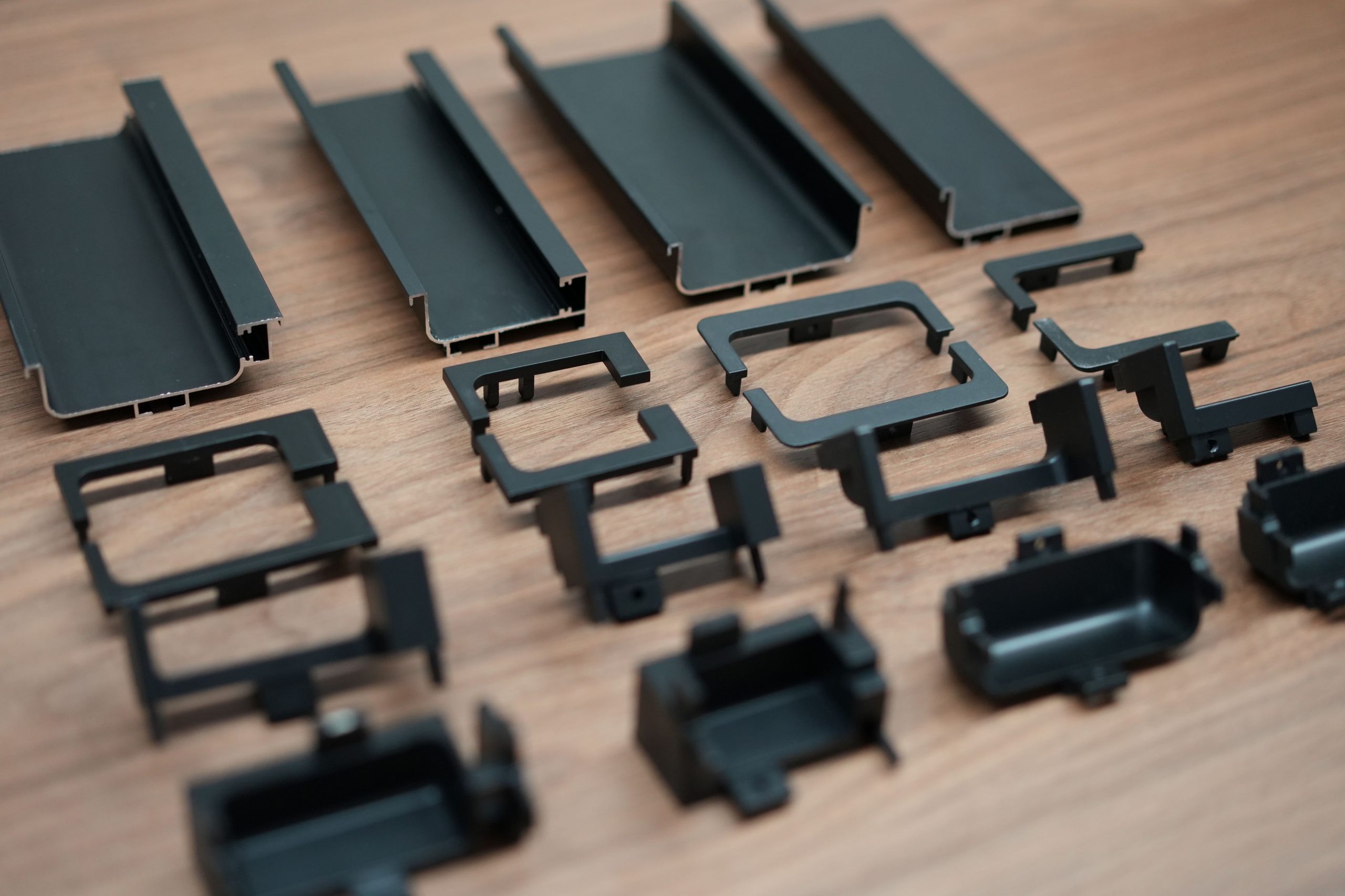
To determine whether an Aluminum Gola profile fits your cabinet board thickness, compare the profile’s internal receiving dimension with the board’s measured thickness. The available product data identifies the Gola profile as 6063 T5 aluminum but does not specify its internal dimension or compatible board range. Request the technical drawing or verify the fit with […]
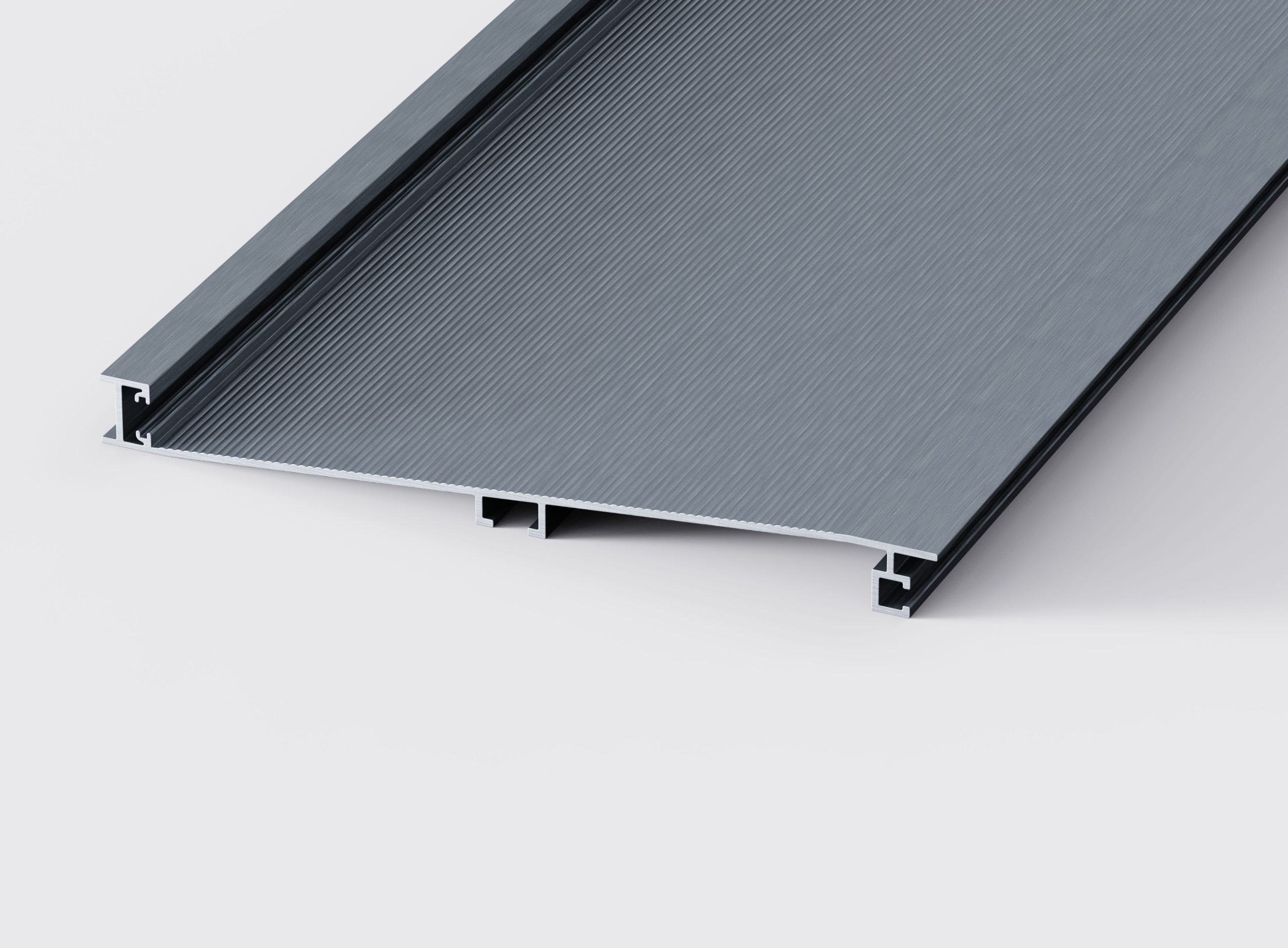
The supplied product information does not specify an indoor service-life duration for aluminum skiriting and edge profiles coating. Indoor coating longevity should therefore be confirmed against the required finish, installation conditions, cleaning exposure, and project acceptance criteria. The listed aluminum tile trim profiles use 6063 T5 material, while MEBEL-ALU provides anodizing, brushing, and mechanical polishing […]
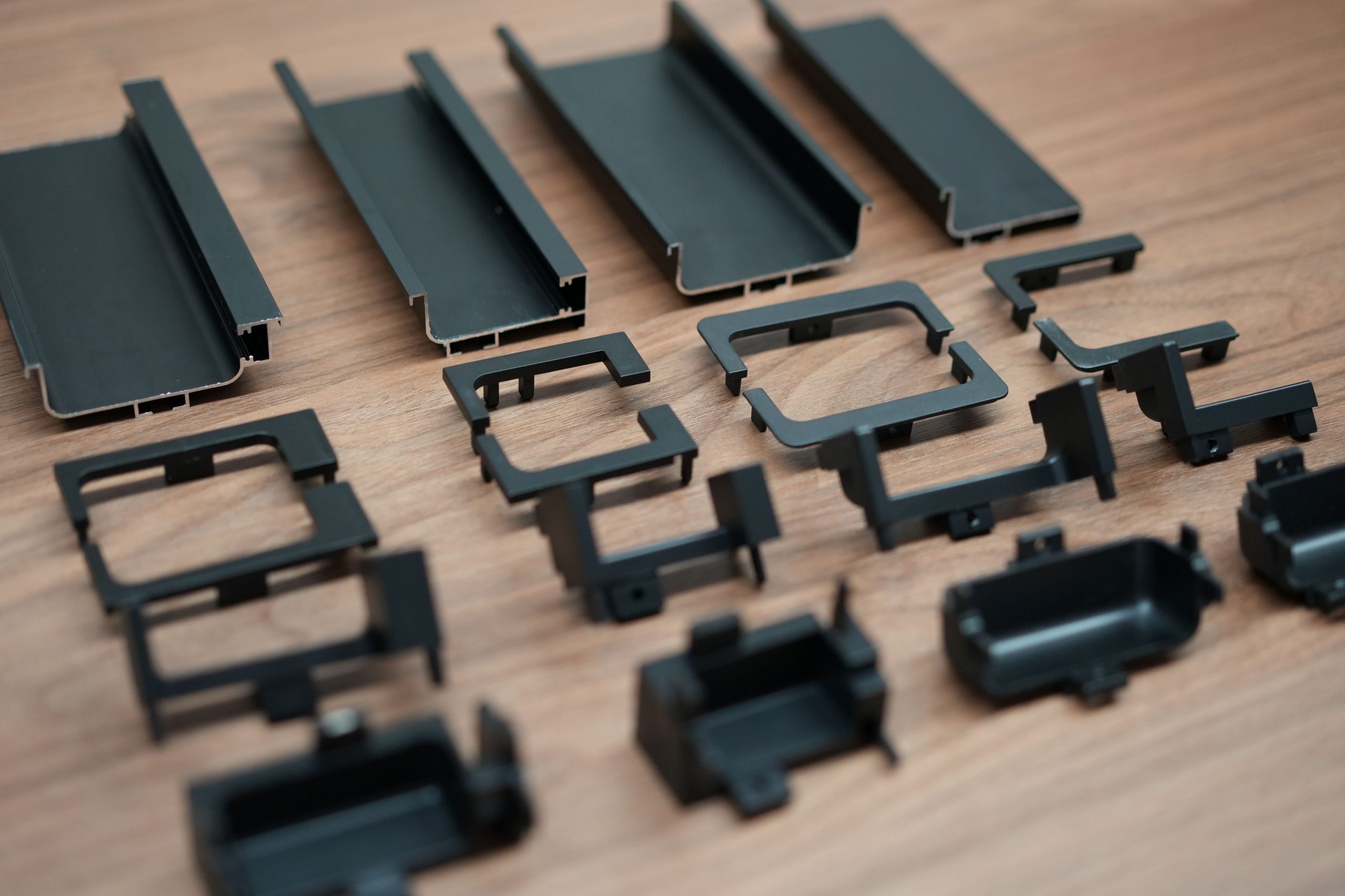
The available data does not confirm remote installation support for Slim aluminum frame profile for glass doors. MEBEL-ALU provides aluminum furniture profile solutions and has in-house extrusion, anodizing, brushing, mechanical polishing, and CNC machining capabilities. For installation guidance or technical clarification, contact the company directly because remote support terms are not specified. Core Solutions & […]
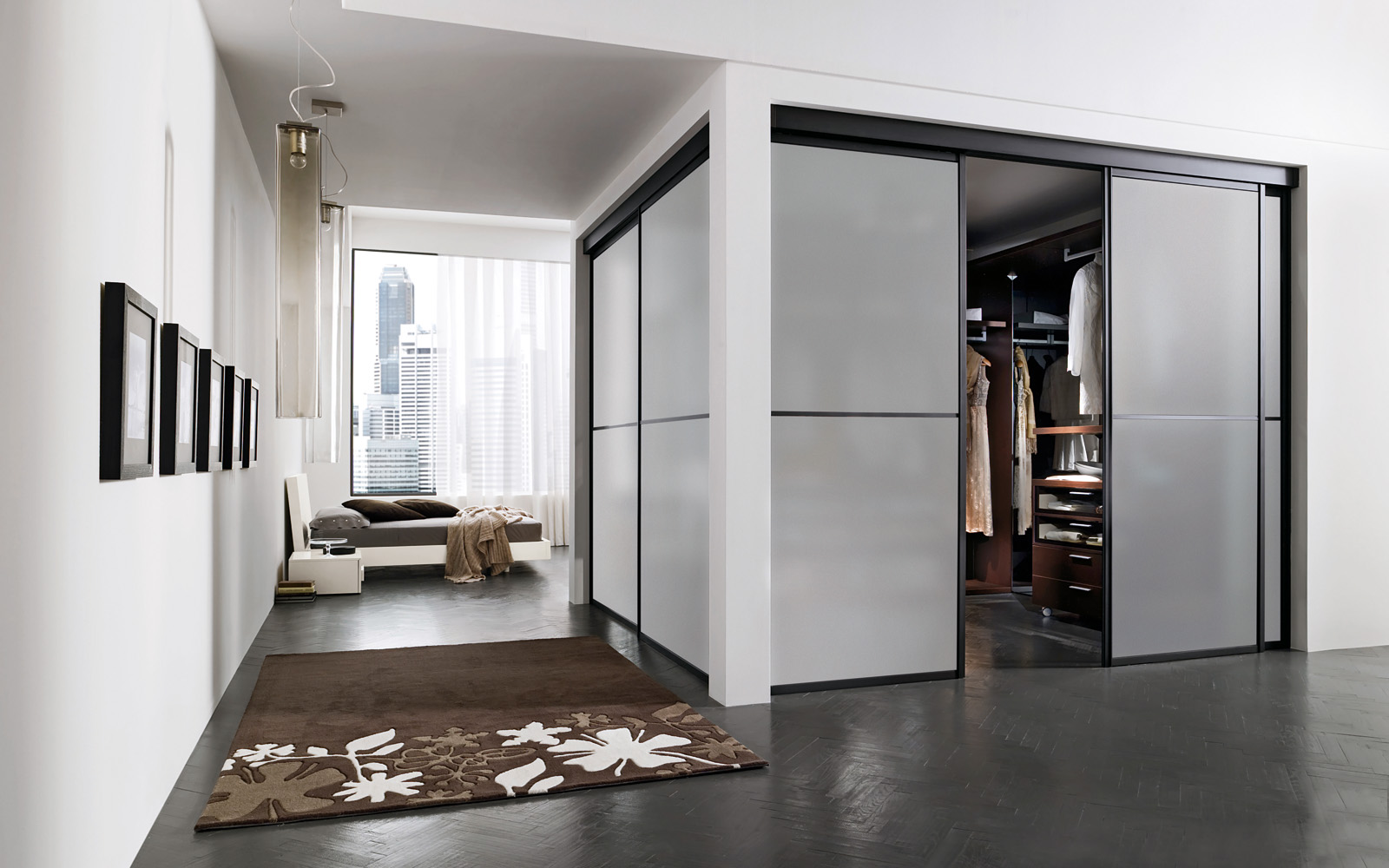
Aluminum profiles for wardrobe door frame can be air shipped only after MEBEL-ALU confirms the transport arrangement for the specific order. The available logistics data lists FOB shipping with rail, maritime, and container transportation support, but it does not confirm air freight. For an urgent project, request technical and logistics confirmation before placing the order. […]
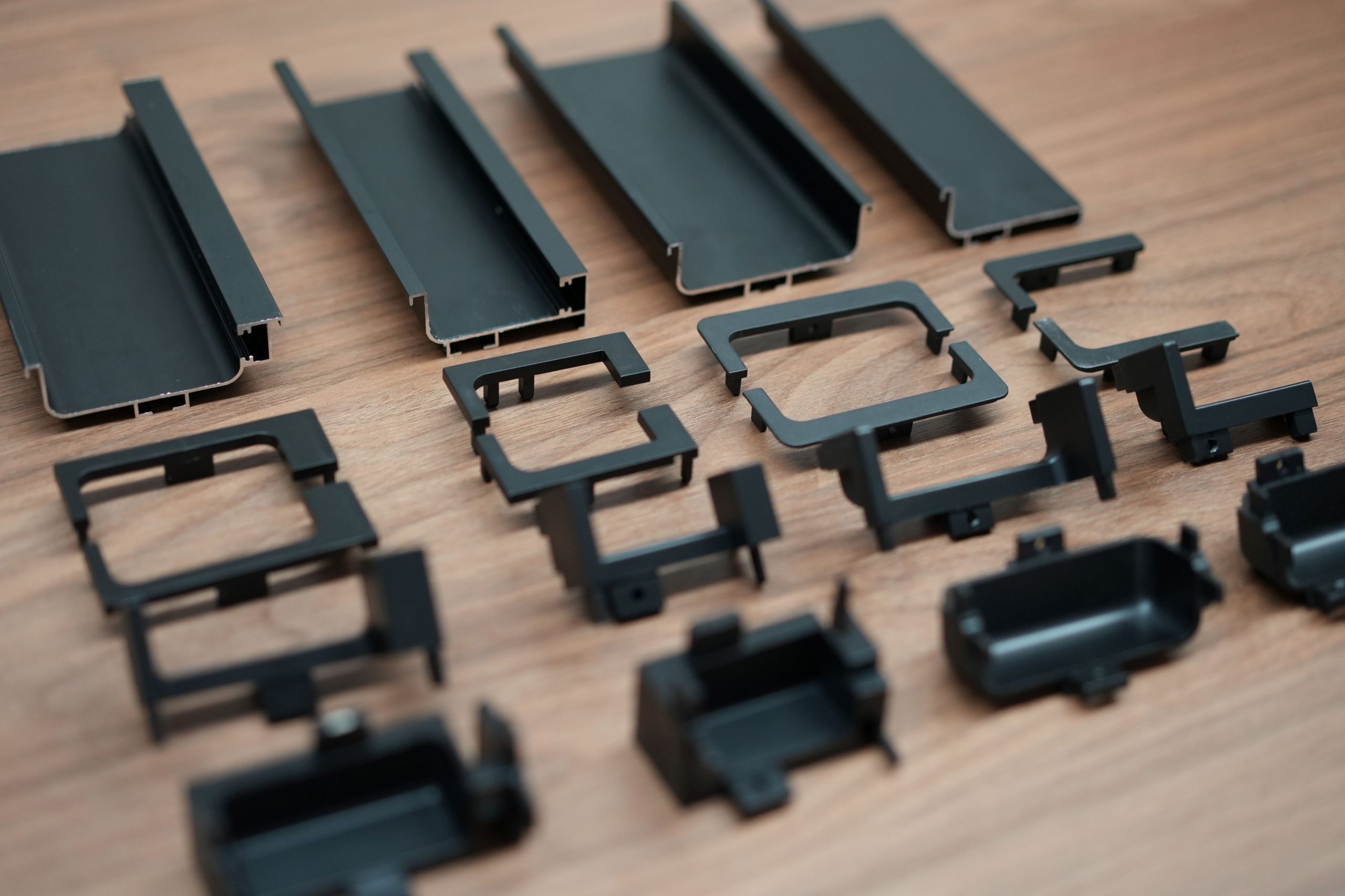
Custom length may affect Aluminum Gola profile for handleless kitchen unit pricing because it can change material usage, cutting requirements, machining, packaging, and order efficiency. The provided product data does not include a price, custom-length surcharge, MOQ, or delivery time, so the final unit price must be confirmed through a project-specific quotation for the required […]
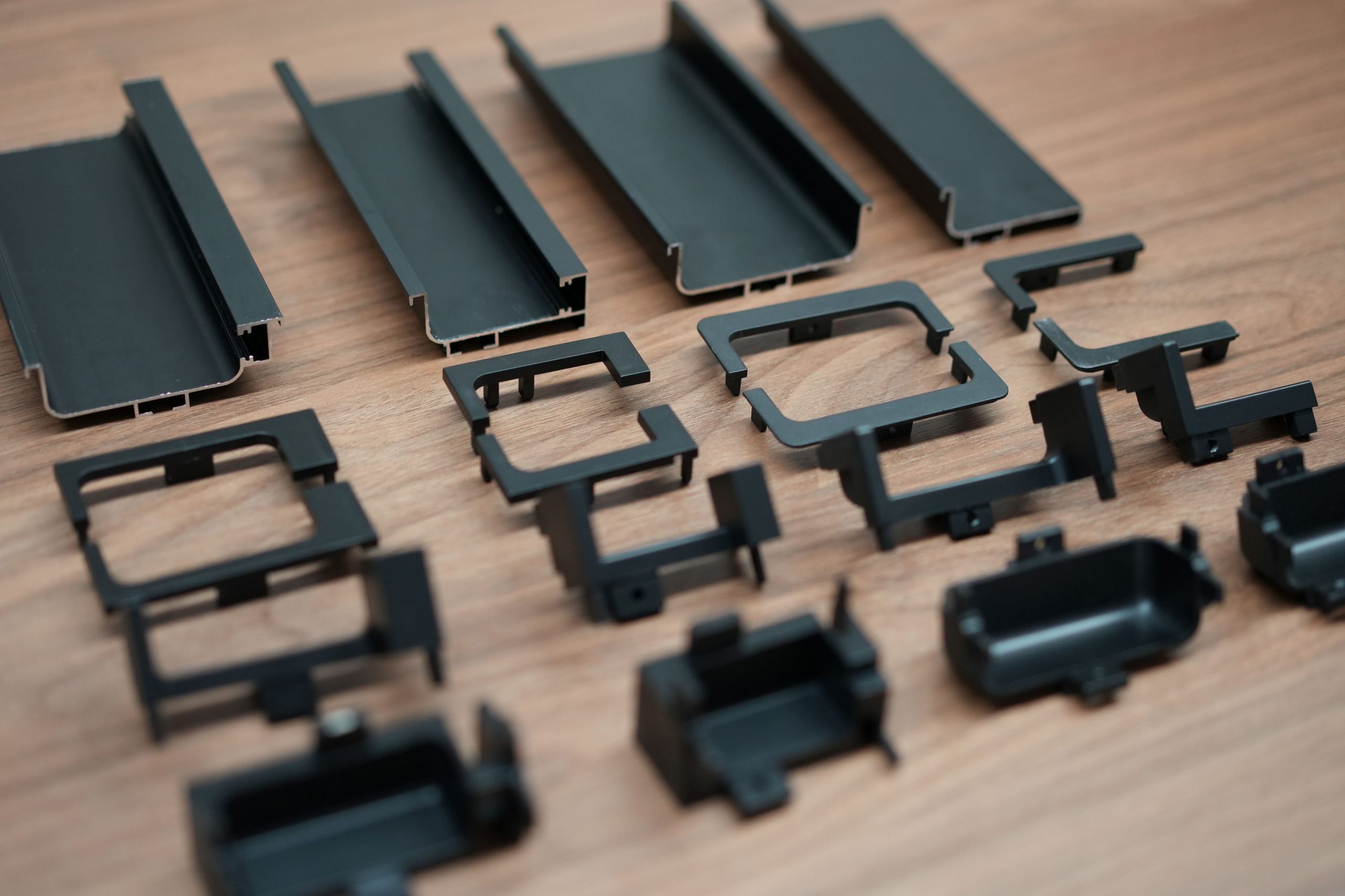
Reject an Aluminum Gola profile sample for a handleless kitchen when its material identity cannot be verified as 6063 T5, when the sample does not match the specified Gola profile, or when its condition prevents reliable evaluation. The available product data provides no dimensional tolerances, finish requirements, or named defect limits, so acceptance should be […]
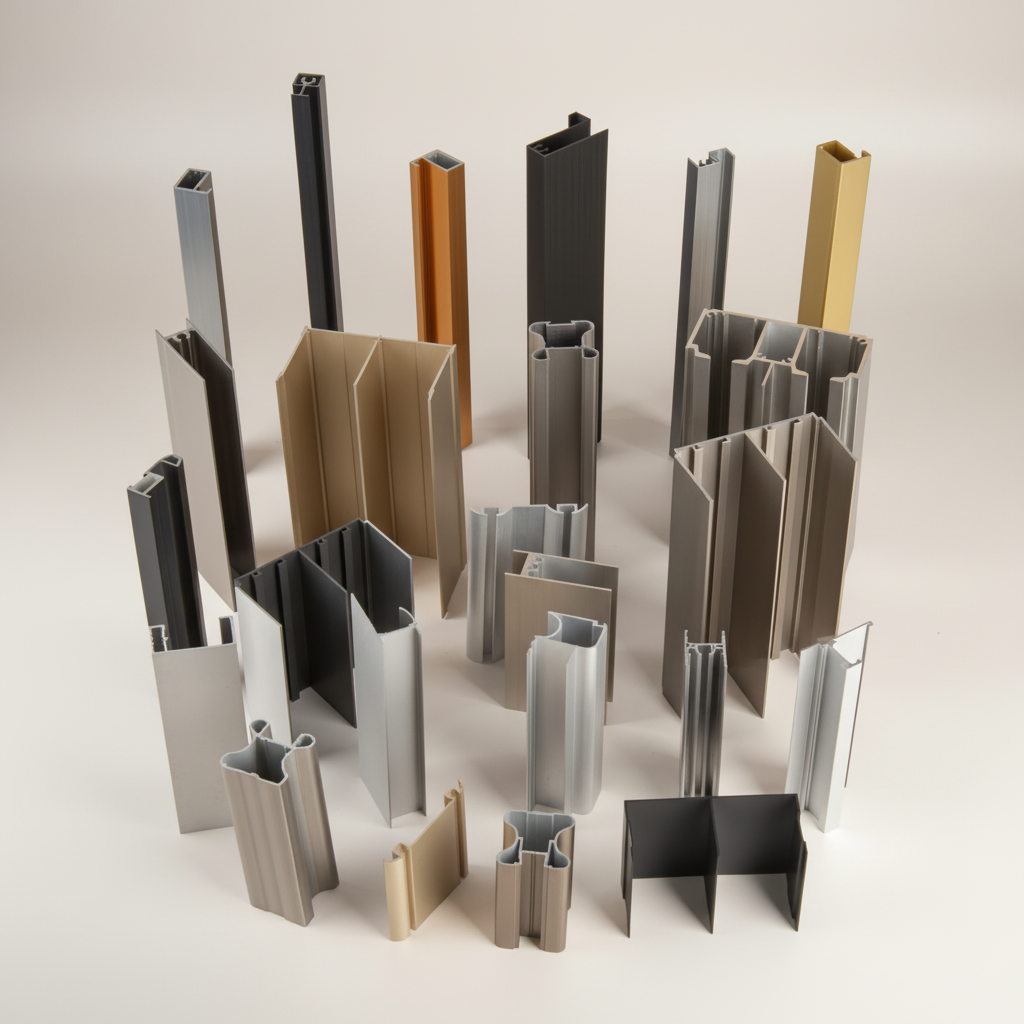
Compare aluminum extrusion for furniture quotes fairly by converting every offer to a common price per kilogram, confirming that the quoted alloy, temper, profile weight, surface treatment, machining, packaging, tooling, and delivery terms match. For this custom aluminum profile extrusion, the stated material is 6063 T5. Separate material cost from processing and logistics charges before […]
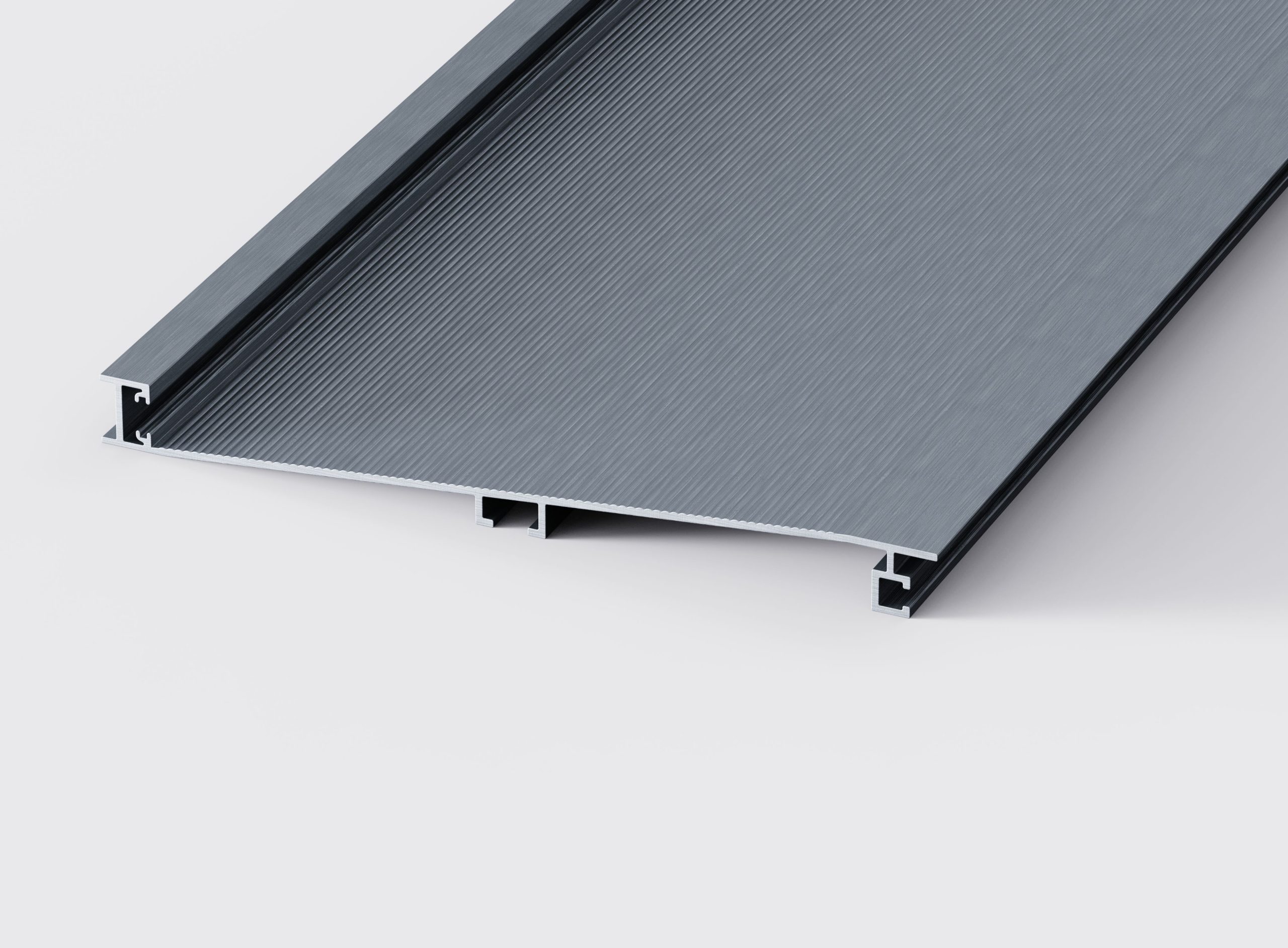
A lower MOQ for stock aluminum skirting and edge profiles is not confirmed by the available product data. The product-specific MOQ for aluminum tile trim profiles is blank, while MEBEL-ALU’s stated FOB business model lists a 12,000 KG MOQ and a 40-day delivery time. Stock availability and any lower-MOQ option require direct confirmation for the […]
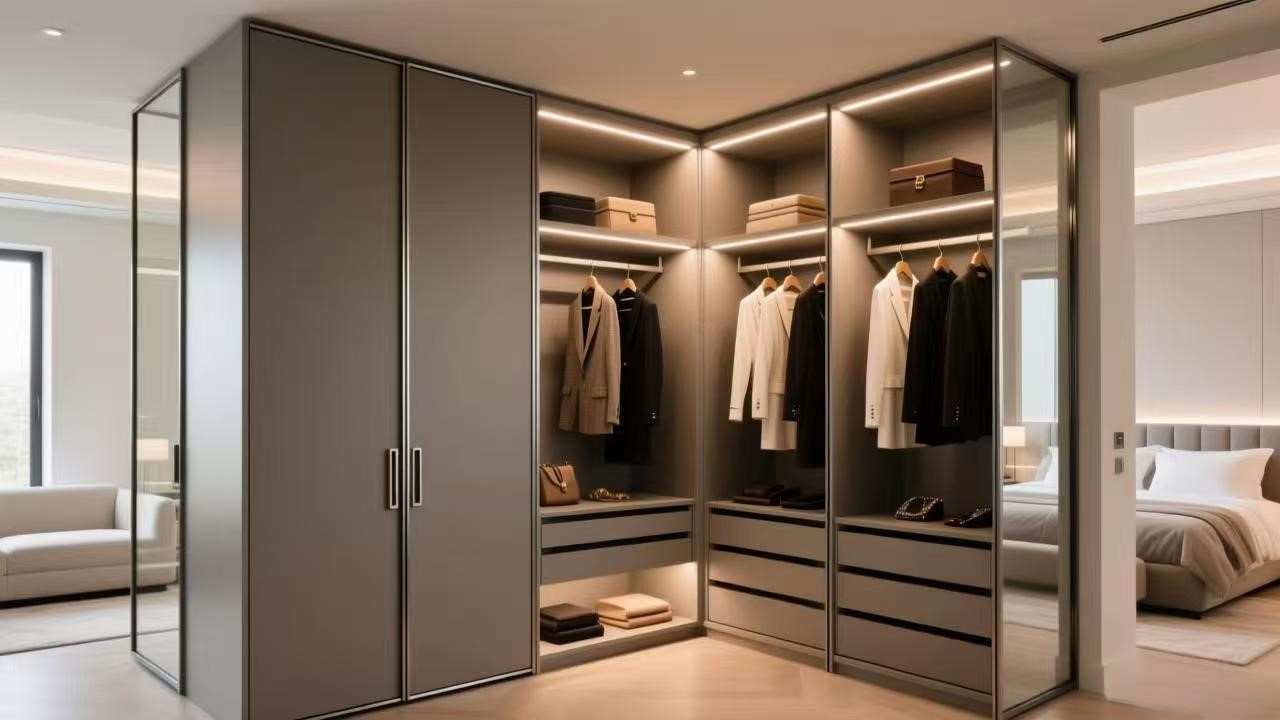
Inspection results cannot be confirmed as a payment condition for the Slim aluminum frame profile for glass doors because the available product and business data do not define a quality-inspection requirement or inspection-linked payment term. The listed payment method is SWIFT, while the supported business model is FOB with a 12,000 kg minimum order quantity […]
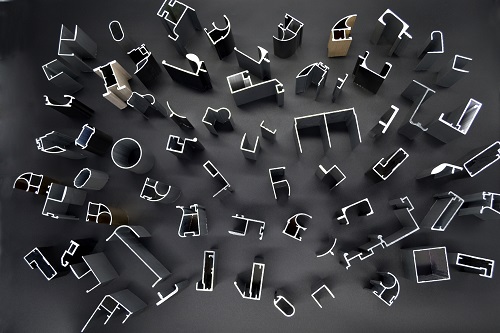
Whether warped glass sliding wardrobe door aluminum frame pieces can be repaired locally cannot be confirmed from the available records. The product is identified as 6063 T5, but no local repair service, deformation limits, or repair procedure is provided. A local assessment and manufacturer guidance are needed before repair or replacement is selected. Core Solutions […]
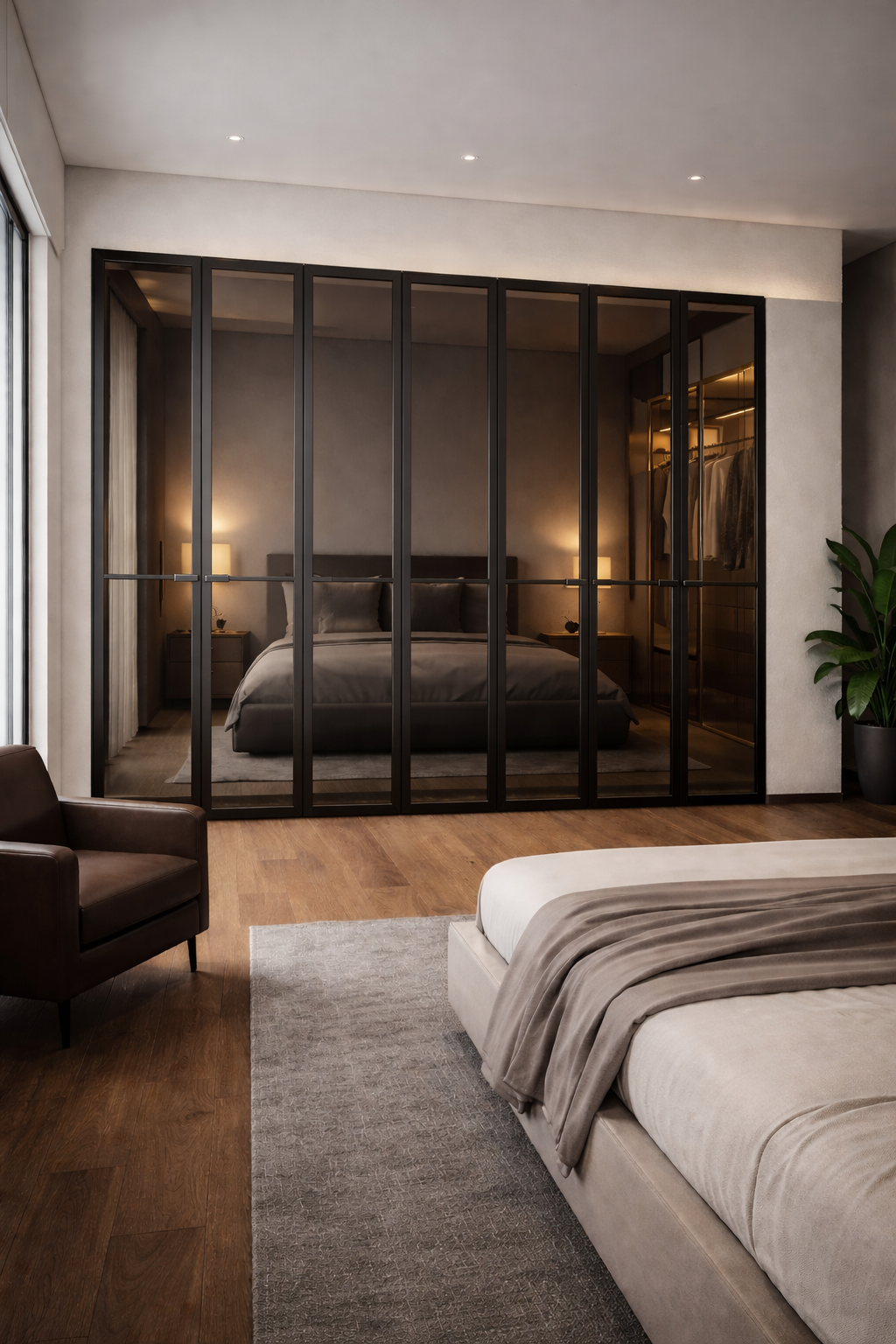
To prove a Slim aluminum frame profile for glass doors defect is manufacturing-related, document the defect with product images, link it to the production process, and compare it with the agreed product specification. Traceable inspection records, batch information, dimensional evidence, surface-finish evidence, and supplier responses should show whether the failure originated during extrusion, finishing, CNC […]
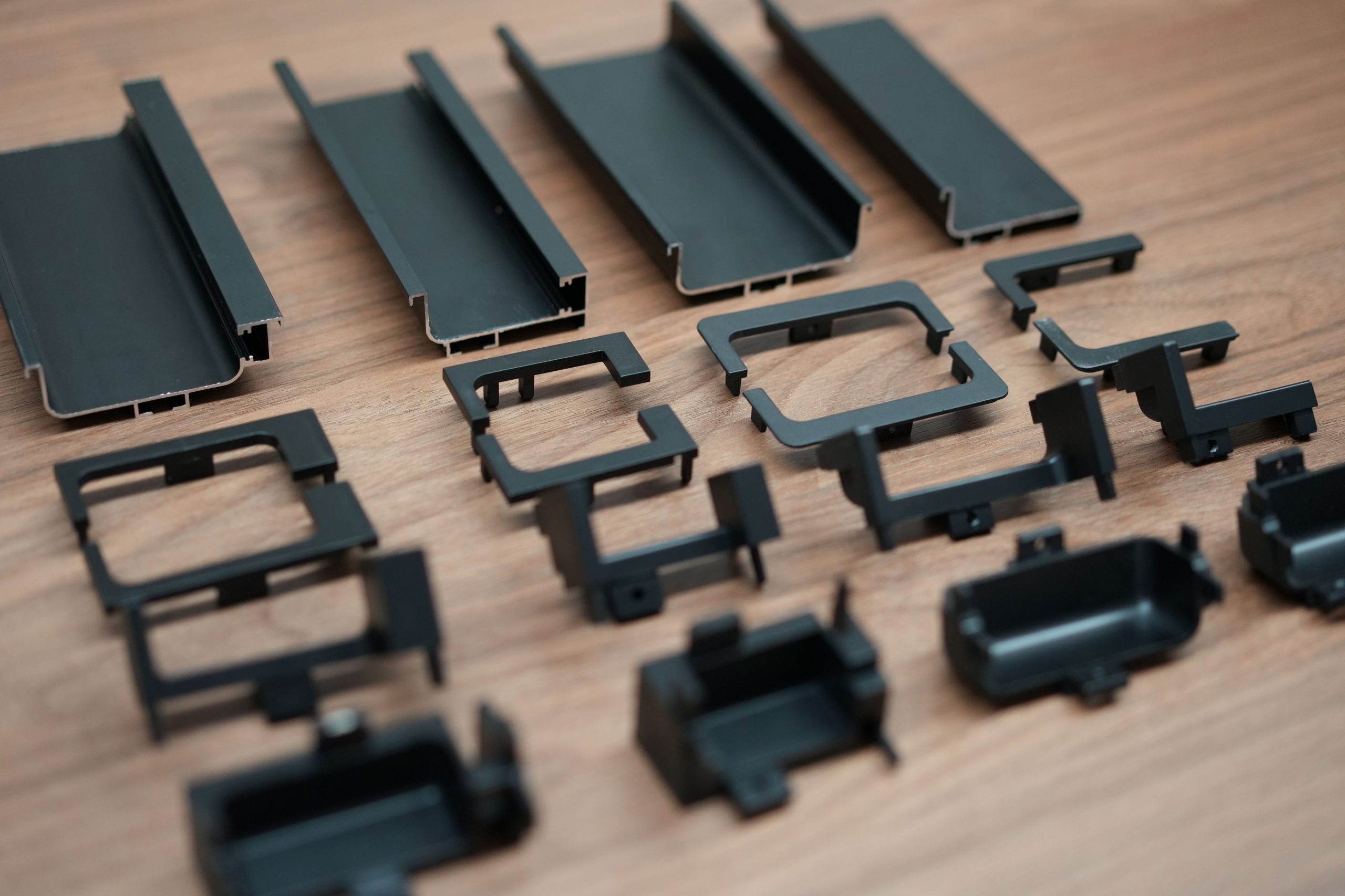
Aluminum Gola profile for handleless kitchen factories can demonstrate broad output capability through MEBEL-ALU ALUMINIUM’s stated monthly production capacity of 5,000 tons of aluminum profiles and a separate business-model listing of 6,000 tons. However, the supplied product data for the Gola profile, specified as 6063 T5, does not provide product-specific capacity, minimum order quantity, or […]

A reasonable planning reference for a furniture aluminum extrusion sample is 40 days, based on MEBEL-ALU’s stated FOB delivery time. The product record does not provide a separate sample lead time, so the actual schedule should be confirmed against the required 6063 T5 kitchen cabinet aluminum profile, machining, finishing, quantity, and approval requirements. Core Solutions […]
An aluminium cabinet profile supplier should send an early shipment-information package confirming the FOB arrangement, transport method, delivery schedule, and document set agreed with the buyer. For MEBEL-ALU aluminium furniture profiles, the available information confirms FOB support and rail, maritime, and full-container transport, but it does not identify individual shipping document names. Core Solutions & […]
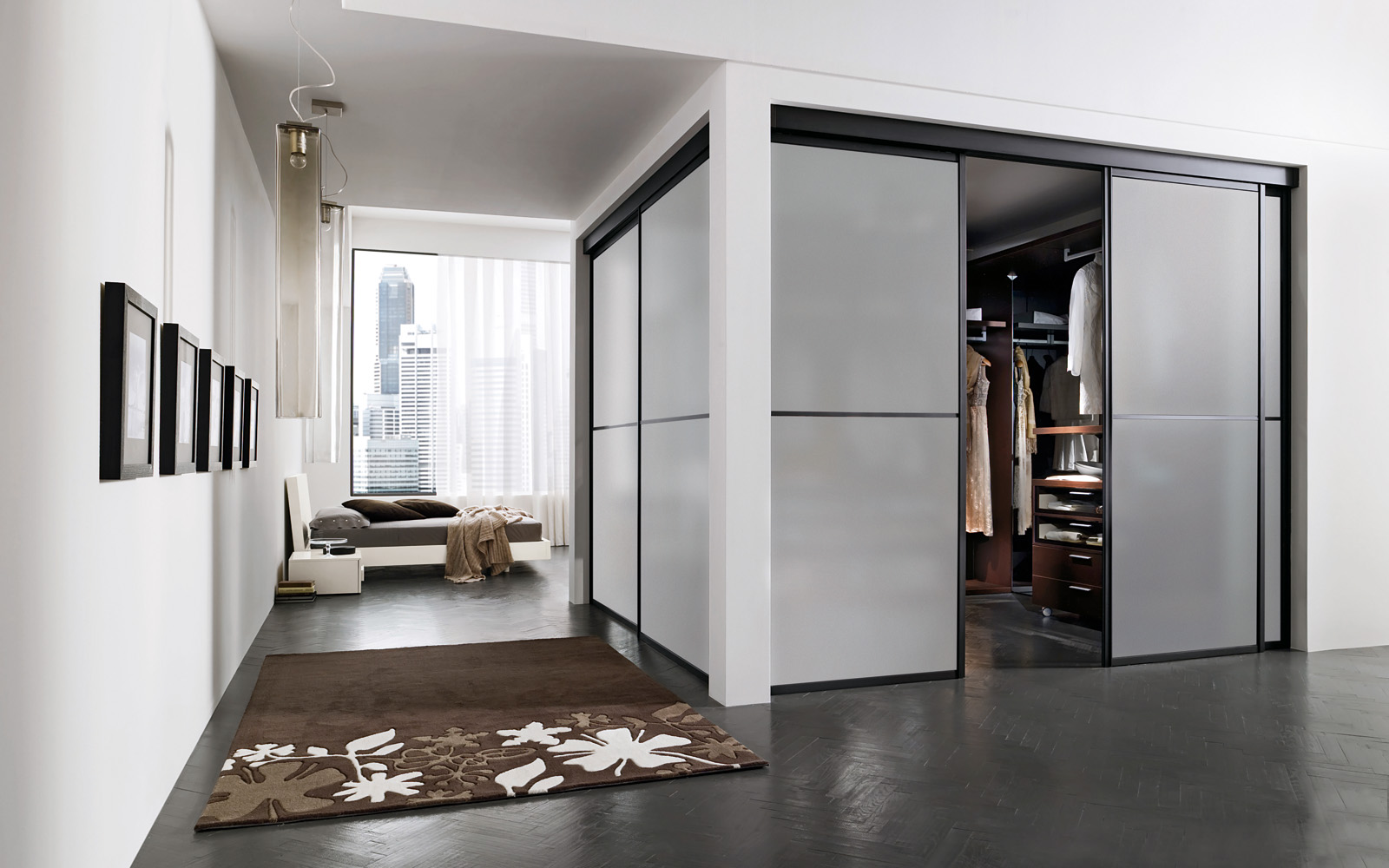
Glass sliding wardrobe door aluminum frame profiles may be laser engraved, but the supplied product data does not confirm laser-engraving capability. The listed wardrobe door aluminum system uses 6063 T5 aluminum and has a minimum order quantity of one unit. MEBEL-ALU provides CNC precision machining, so laser engraving should be confirmed as a separate processing […]
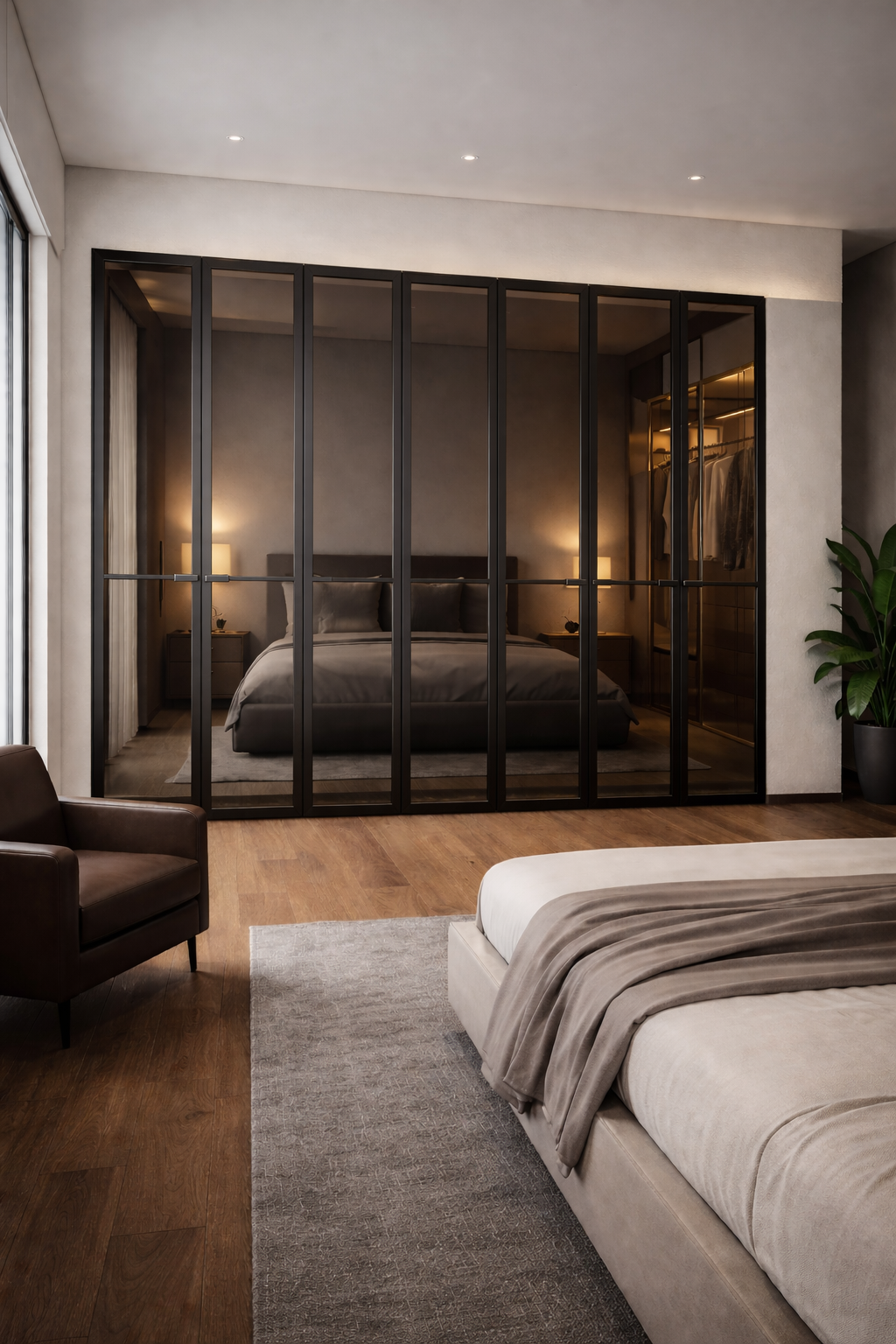
Aluminum skirting and edge profiles may be developed as custom profiles, but the provided product data does not explicitly confirm custom lengths or colors for this specific application. MEBEL-ALU operates in-house extrusion, anodizing, brushing, mechanical polishing, and CNC machining, allowing discussion of tailored dimensions and surface finishes. Exact length, color, finish, minimum order, and delivery […]
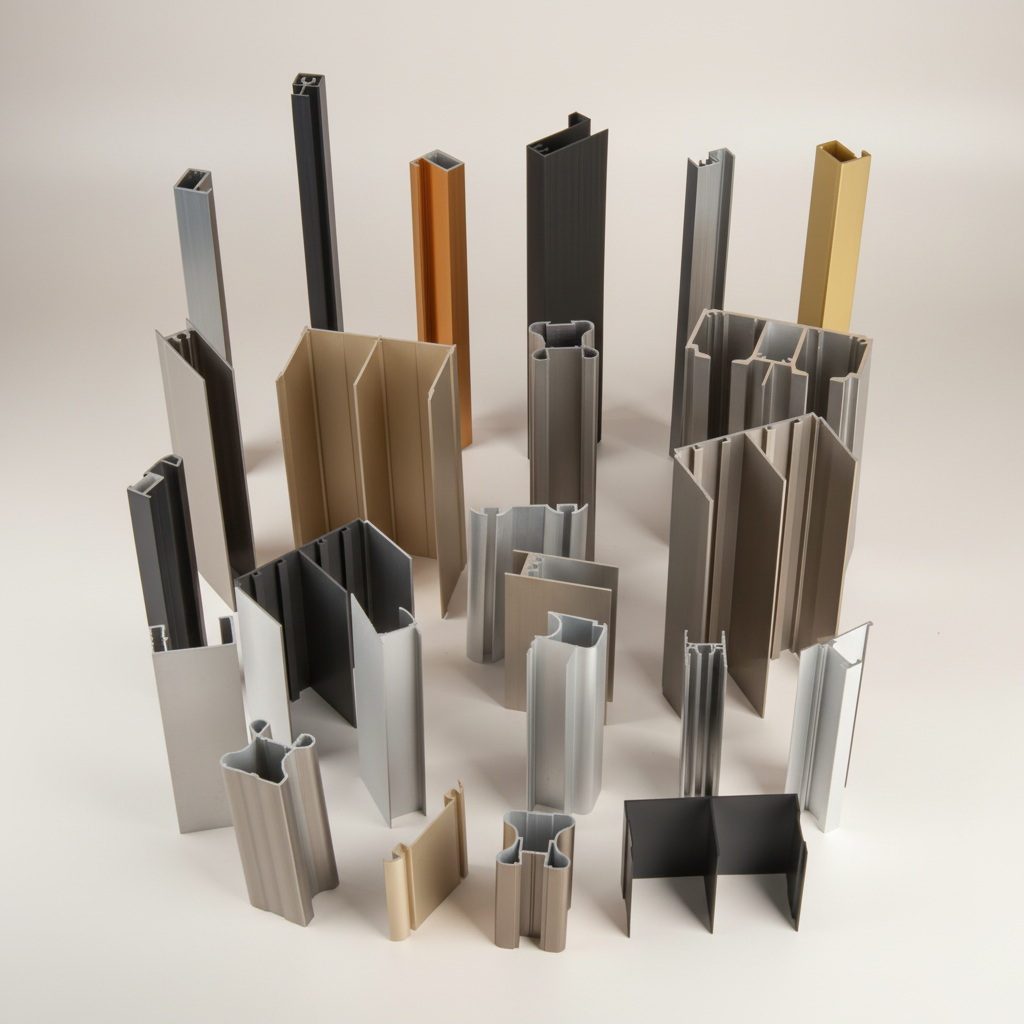
Assess consistency from an aluminium cabinet profile supplier by checking documented manufacturing control, repeatable 6063 T5 specifications, surface-treatment capabilities, CNC processing, quality certifications, production capacity, and delivery terms. For custom aluminum profile extrusion for furniture, compare samples against agreed drawings and finishes, then verify whether the supplier can maintain the same process across standard and […]
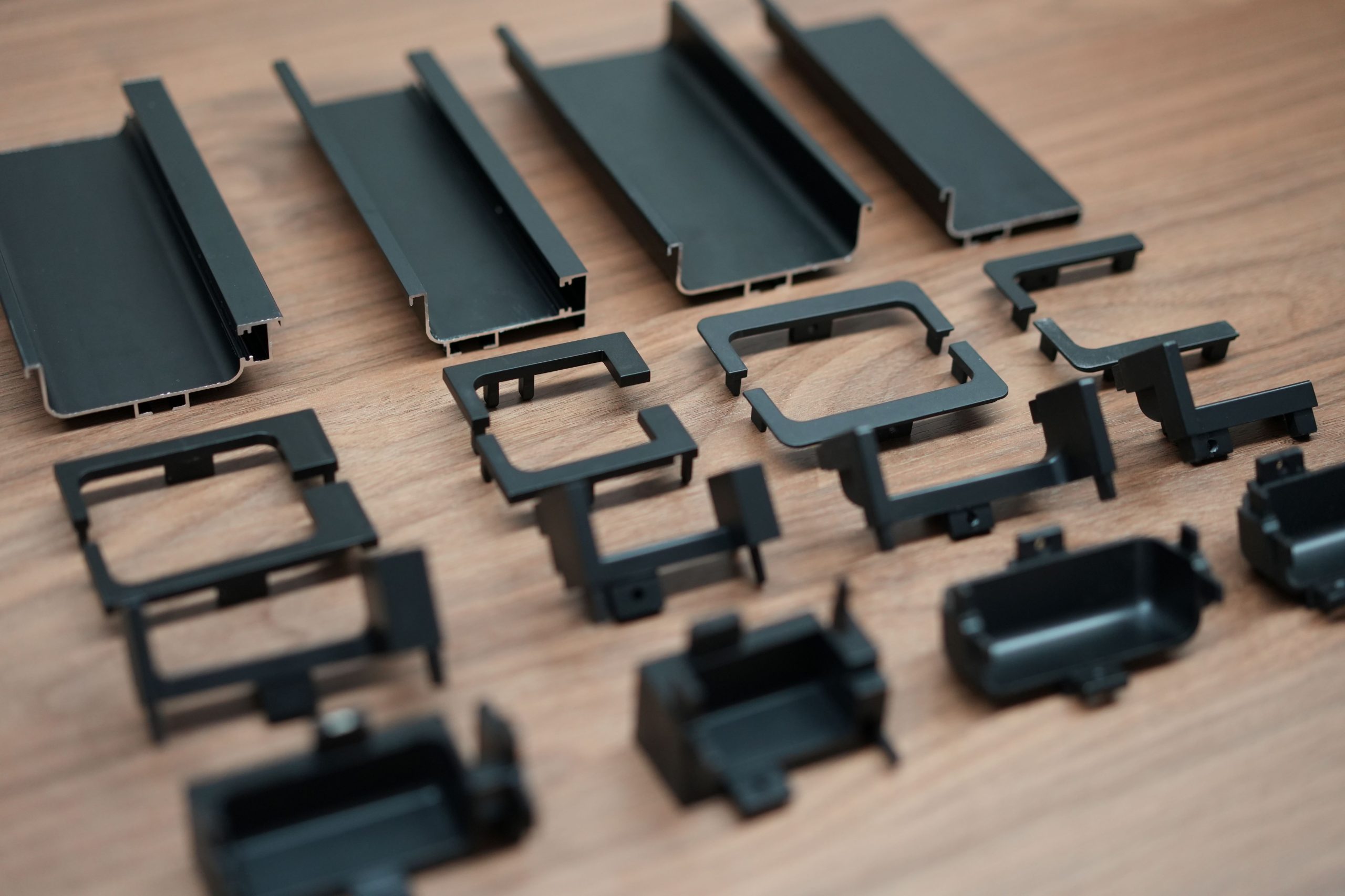
No freight surcharges are specified for Aluminum skiriting and edge profiles shipments in the provided data. The available logistics terms identify FOB shipping, with rail transport, maritime shipping, and container transportation supported. The listed Gola profile product has no surcharge, delivery-time, export-market, or shipping-cost details, so applicable charges require confirmation for the specific shipment. Core […]
An aluminium cabinet profile supplier can add payment-related fees only when they are specified in the quotation or commercial terms. For MEBEL-ALU ALUMINIUM, the available data lists SWIFT as a payment method but does not state separate bank, transfer, handling, or surcharge amounts. Buyers should therefore request written confirmation of any payment fees before placing […]
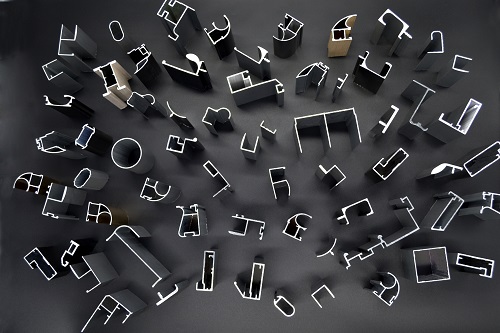
Project-based customization of glass sliding wardrobe door aluminum frame packaging cannot be confirmed from the provided data. The available information identifies the product as a sliding wardrobe door aluminum frame made from 6063 T5 aluminum, but it does not specify packaging customization options, project-level packaging standards, or packaging approval procedures. Core Solutions & Key Takeaways […]
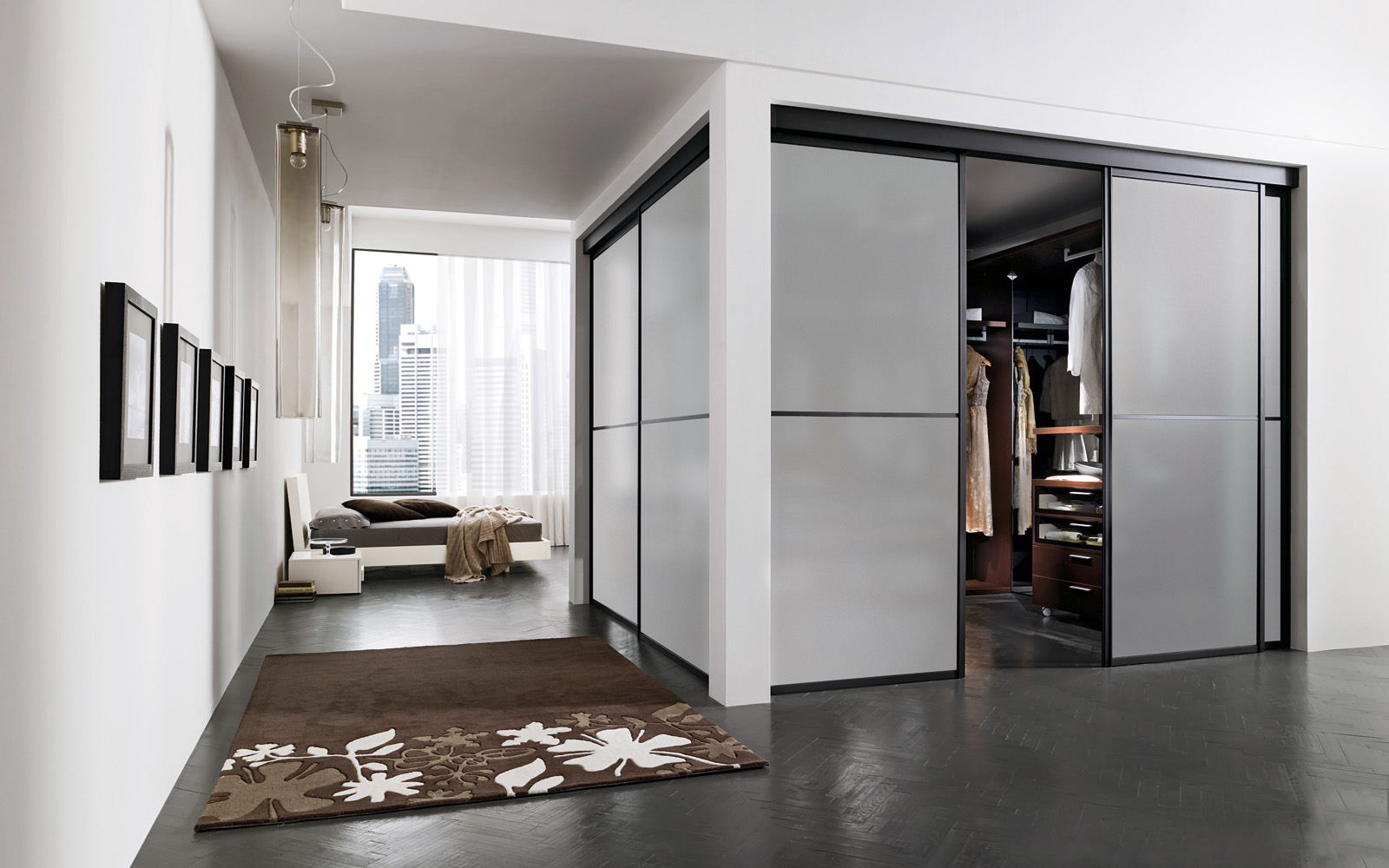
The provided data does not state that tooling is included in aluminum profiles for wardrobe door frame pricing. Tooling status, cost allocation, and custom-profile requirements should be confirmed for each order. The listed wardrobe door aluminum system uses 6063 T5 material, while MEBEL-ALU ALUMINIUM supports aluminum furniture profile manufacturing and FOB supply arrangements. Core Solutions […]
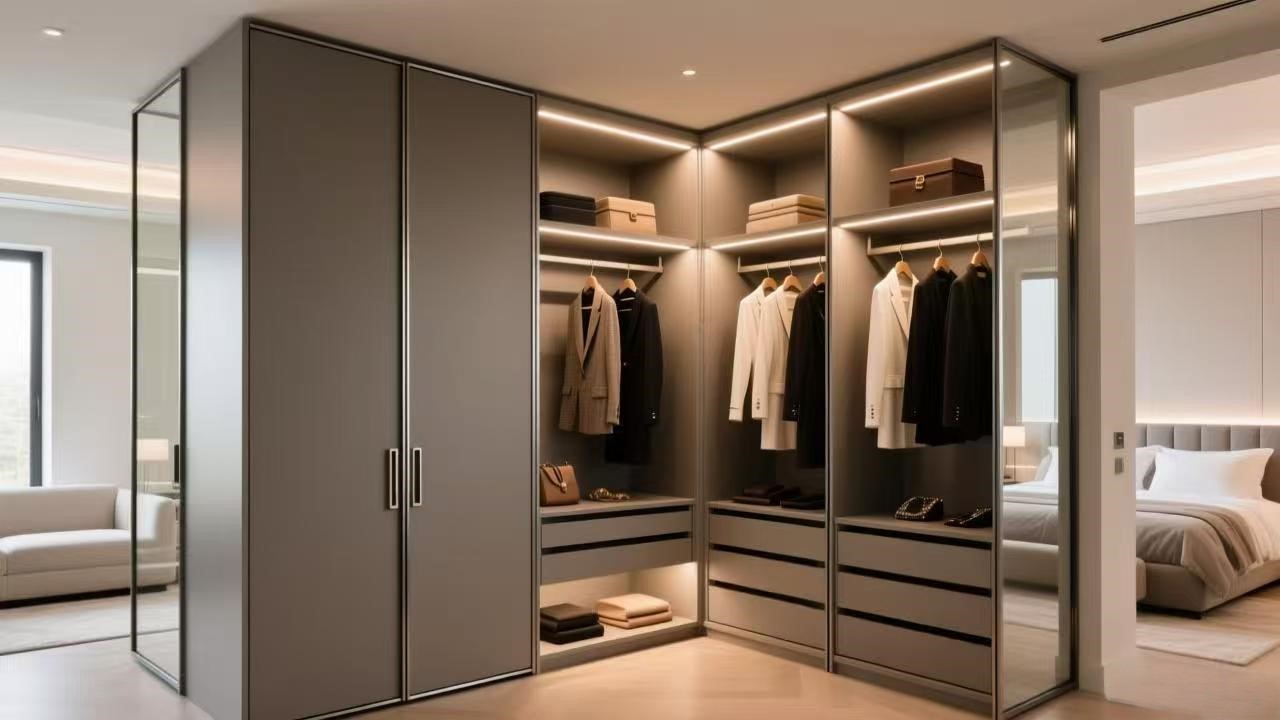
Yes. For Aluminum skiriting and edge profiles factories, verify environmental practices against documented manufacturing stages and certificates rather than relying on general profile claims. MEBEL-ALU reports in-house extrusion, anodizing, brushing, mechanical polishing, and CNC machining, while the supplied records list quality and occupational health and safety certificates but no named environmental management certificate. Core Solutions […]
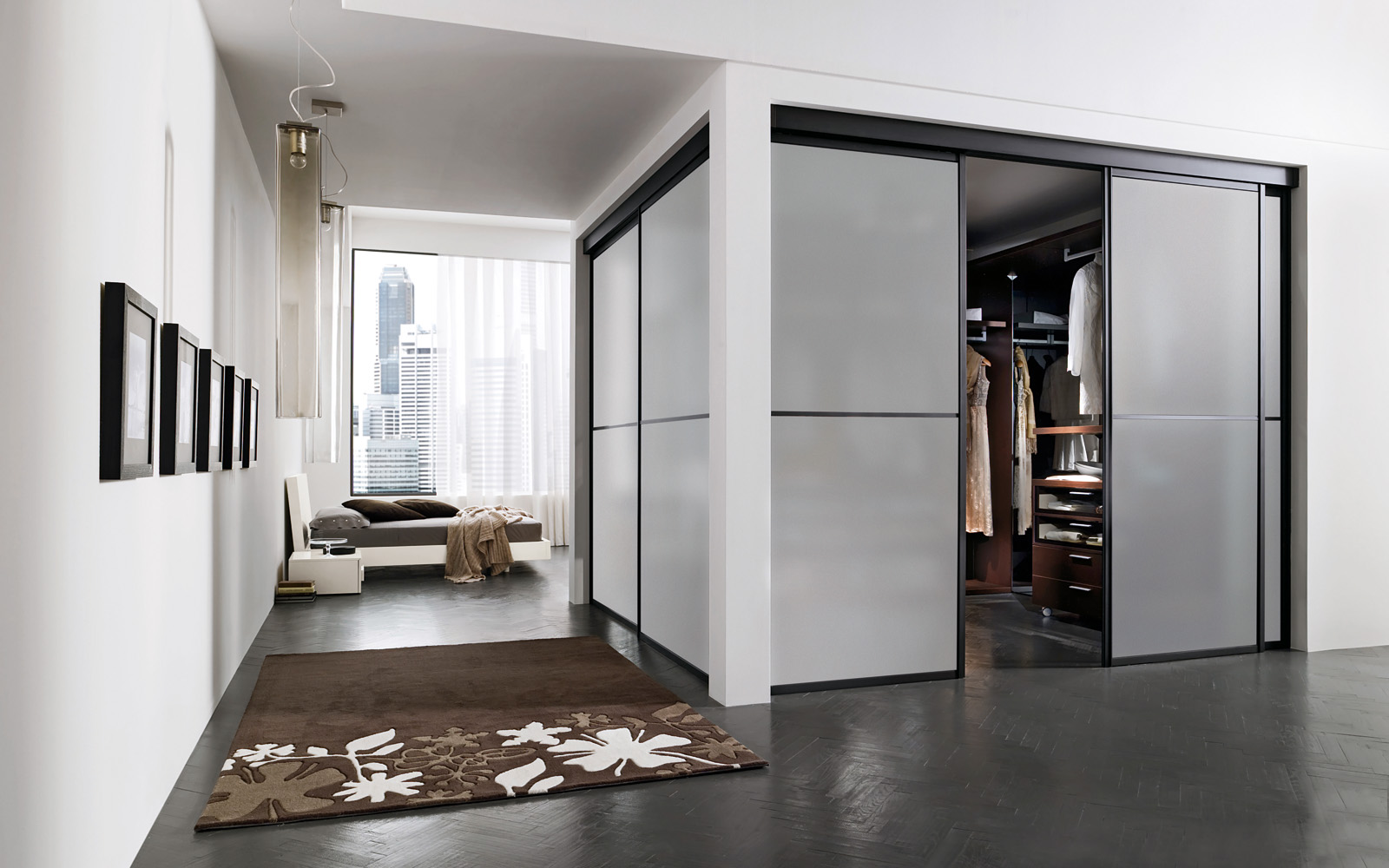
Prevent copying of custom aluminum extrusion for furniture designs by controlling the profile specification, accessory package, finished-surface requirements, and CNC machining details through a documented manufacturing process. Use supplier-managed production, defined quality controls, and consistent handling of wardrobe door aluminum systems so the complete furniture solution is harder to replicate than an isolated aluminum profile. […]
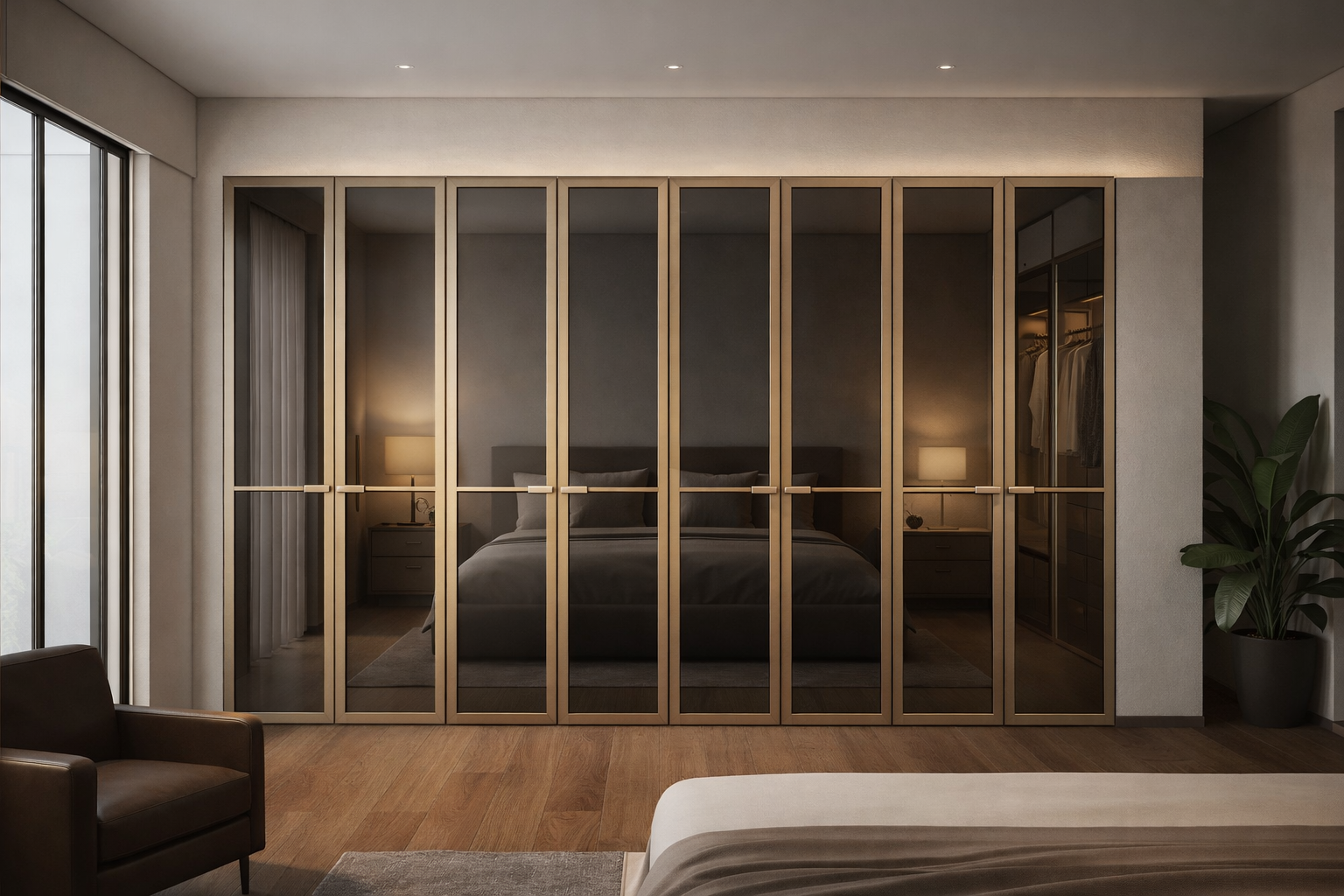
Aluminum skirting and edge profiles may support installation guides, but the provided product information does not confirm that guides are included. MEBEL-ALU lists aluminum glass door systems and related furniture profiles, while installation documentation is not specified. Buyers should request the applicable installation instructions and confirm profile compatibility before ordering. Core Solutions & Key Takeaways […]
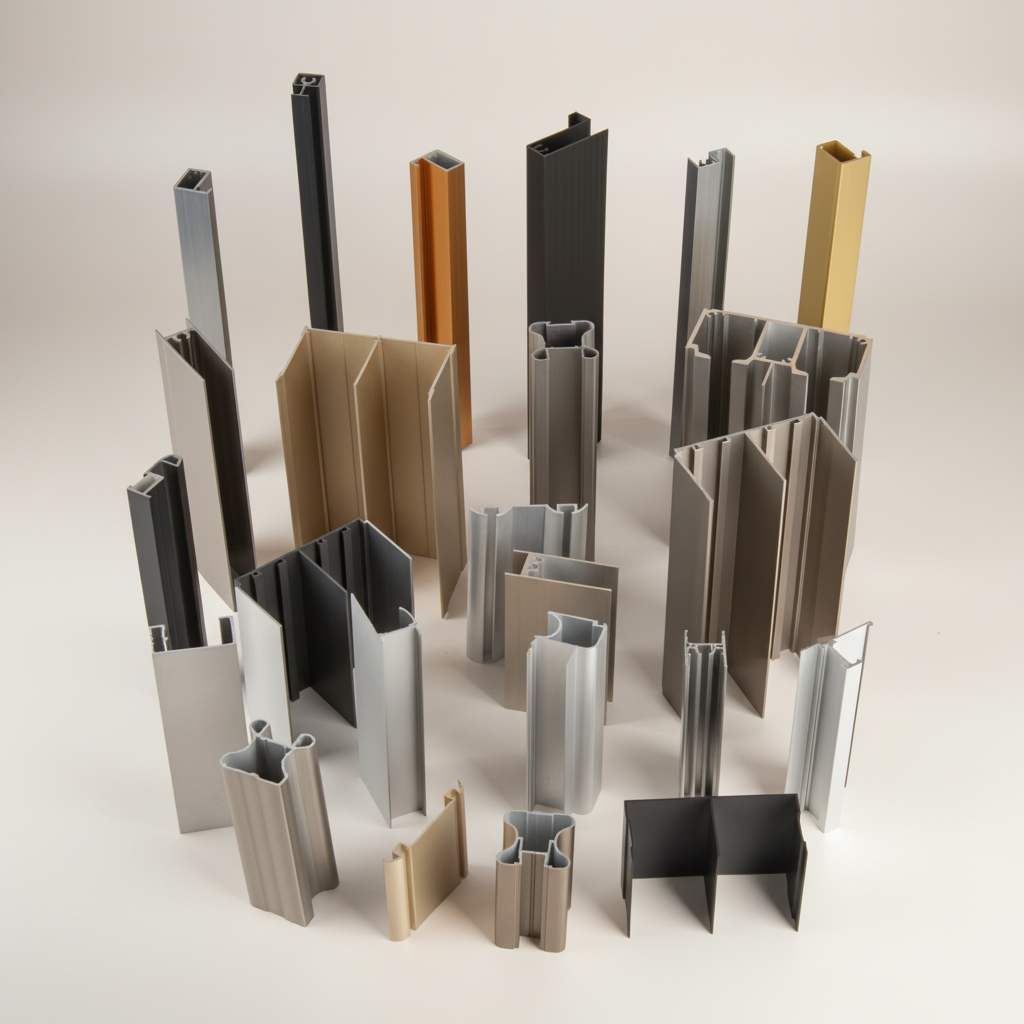
Inspect a slim aluminum frame profile for glass doors by verifying the stated 6063 T5 material, profile identity, extrusion quality, anodized or other surface finish, dimensional consistency, CNC precision, and compatibility with the intended glass door system. Confirm any missing drawings, tolerances, finish specification, hardware details, MOQ, delivery time, and quality inspection terms before approving […]
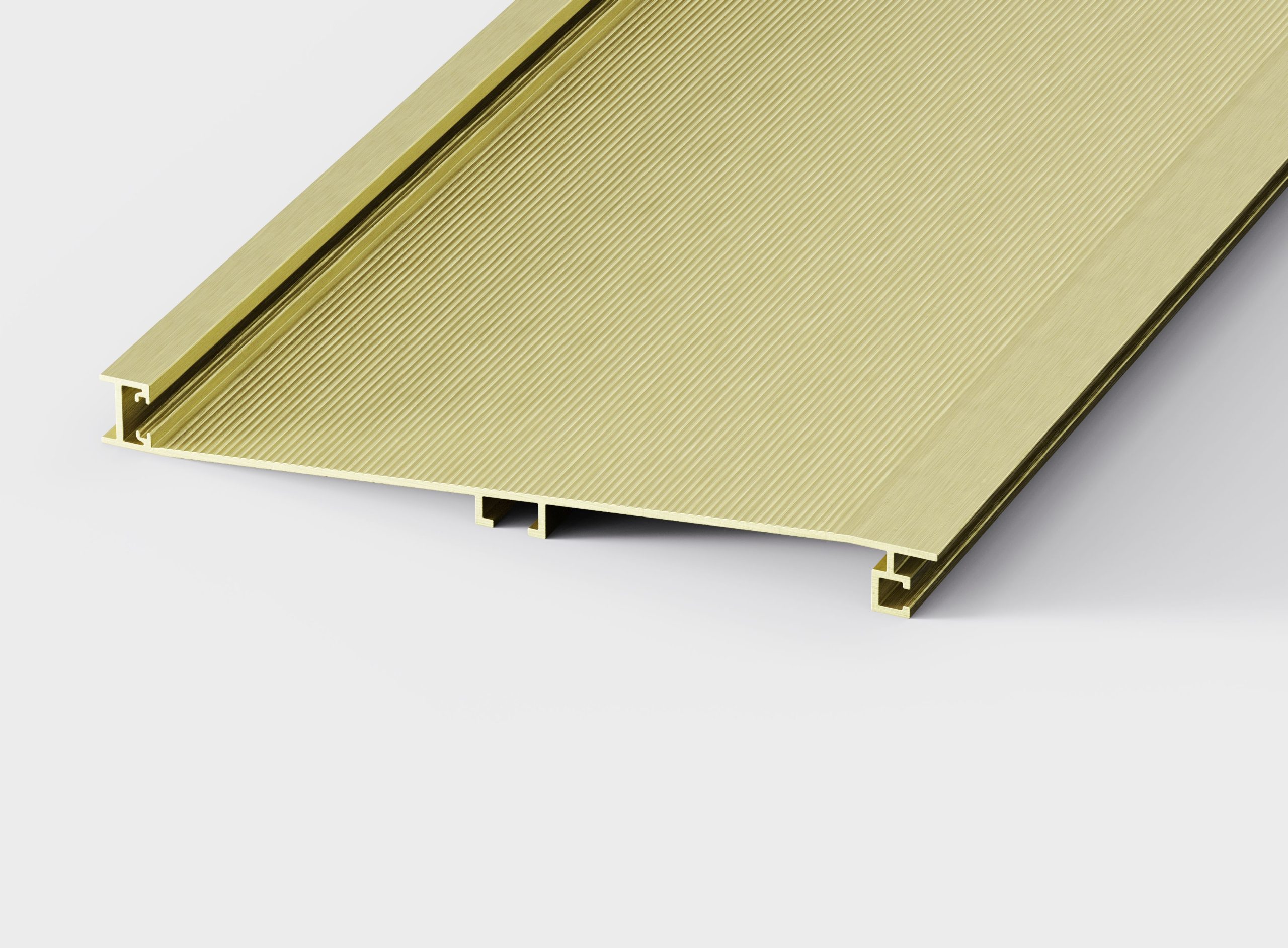
Modular systems are shaping the product requirements for furniture aluminum extrusion, but the provided data does not quantify a market-wide demand change. MEBEL-ALU supplies aluminum furniture profiles, including glass door systems, sliding wardrobe systems, kitchen cabinet frames, and aluminum tile trim profiles, with 6063 T5 listed for the tile trim product. Core Solutions & Key […]
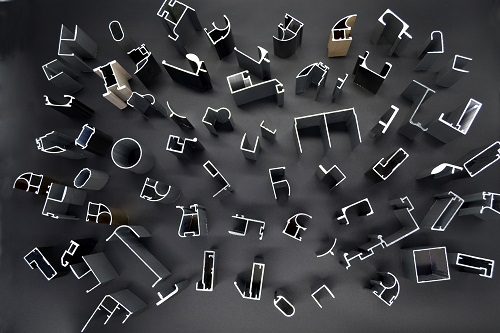
A glass sliding wardrobe door aluminum frame can be suitable for double panels when the selected sliding system is designed to support a two-panel configuration. The provided product data identifies the frame as a 6063 T5 aluminum profile, but does not specify panel-count limits, glass dimensions, or hardware compatibility. Confirming these technical details with the […]

To avoid surprise freight charges from an aluminium cabinet profile supplier, confirm the FOB basis, destination, transport mode, container scope, loading terms, and written delivery conditions before ordering. Ask the supplier to state which freight services are included and obtain a formal quotation tied to the 6063 T5 kitchen cabinet aluminum profiles, order quantity, and […]
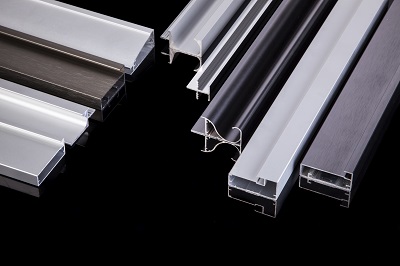
An aluminium cabinet profile supplier can quote an FOB price when FOB is an available business and shipping term. For MEBEL-ALU ALUMINIUM, FOB is listed with rail transport, maritime shipping, and full-container transport support. The provided business information does not confirm a delivered-price service, so delivery-inclusive pricing should be verified for the destination and transport […]
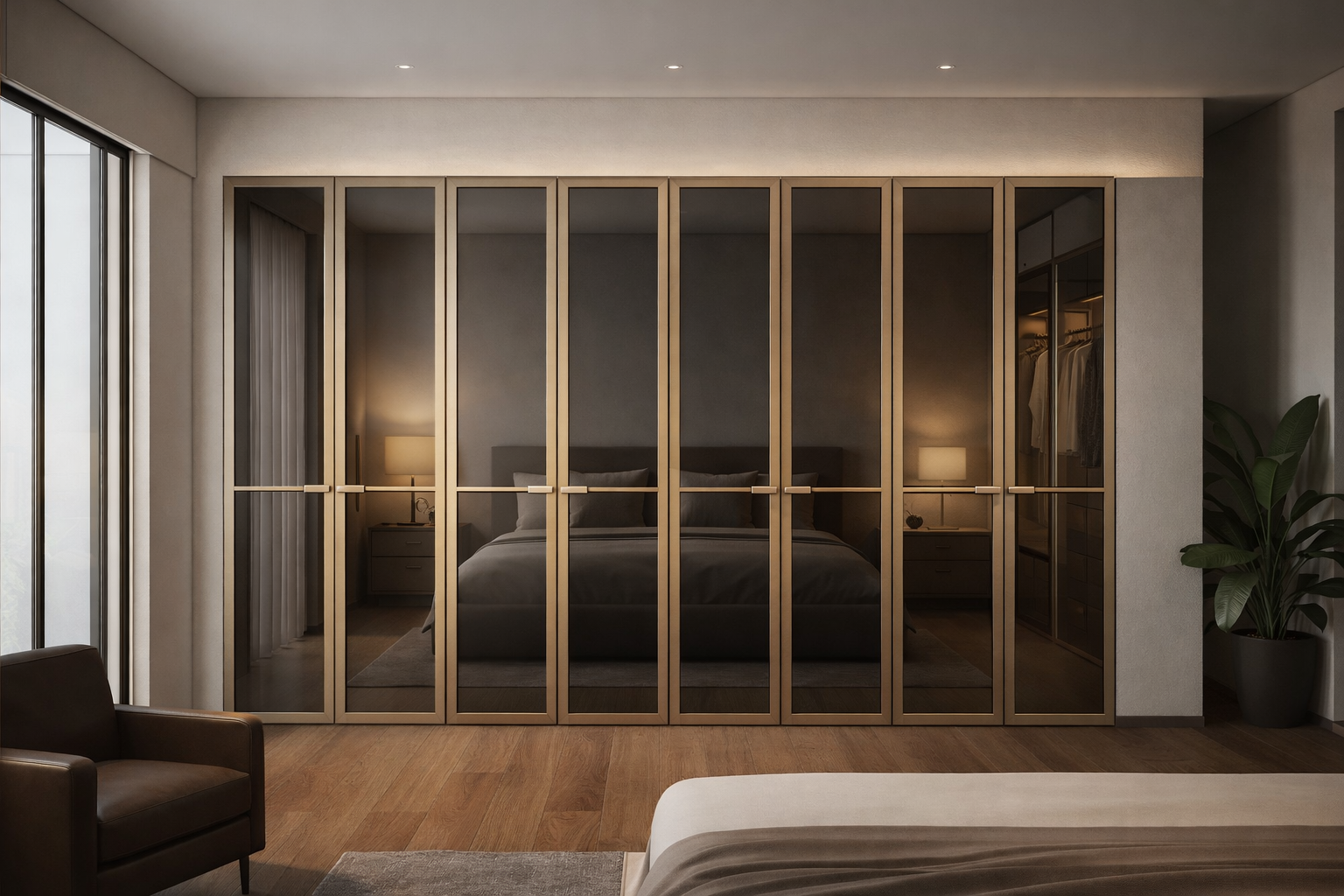
A Slim aluminum frame profile for glass doors sample should use final packaging only when the packaging has been confirmed for the intended delivery and handling process. The available product data does not define packaging specifications, MOQ, delivery time, or inspection requirements, so the sample packaging should be treated as pending confirmation rather than assumed […]
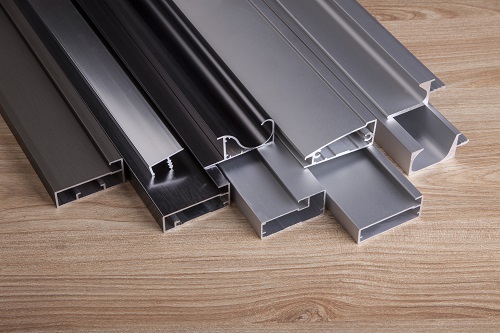
To compare shipping-inclusive quotes from an aluminium cabinet profile supplier, separate the aluminium cabinet profile price from freight, verify the delivery basis, and compare material, finishing, minimum order quantity, payment, and transport coverage. For kitchen cabinet aluminum profiles in 6063 T5, confirm whether the quote includes FOB handling, rail or maritime transport, container arrangements, inspection, […]
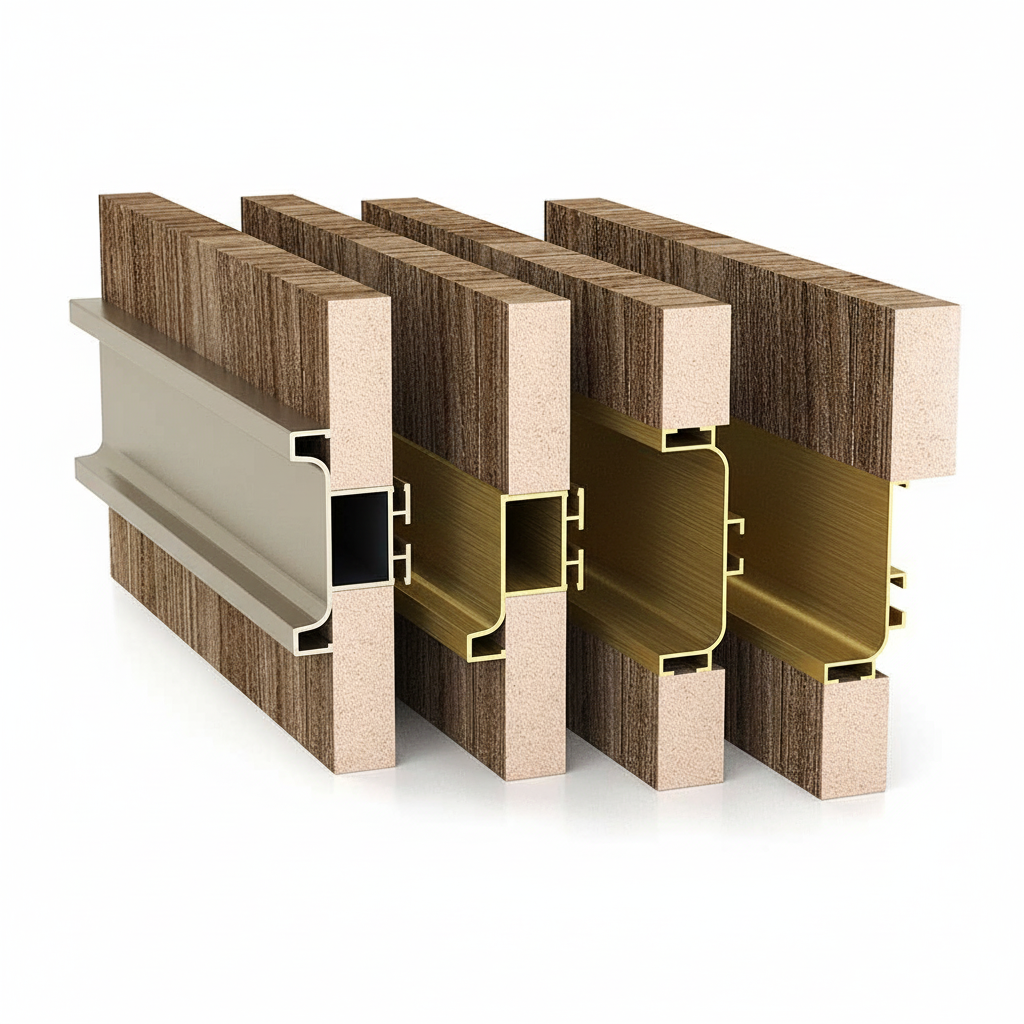
Based on the available procurement information, payments for aluminum extrusion for furniture are supported through SWIFT, while no inspection-agent payment security, escrow, or payment-release mechanism is stated. The role of an inspection agent is not defined for Custom aluminum profile extrusion for furniture. Any inspection-linked payment arrangement therefore requires separate agreement between the parties. Core […]
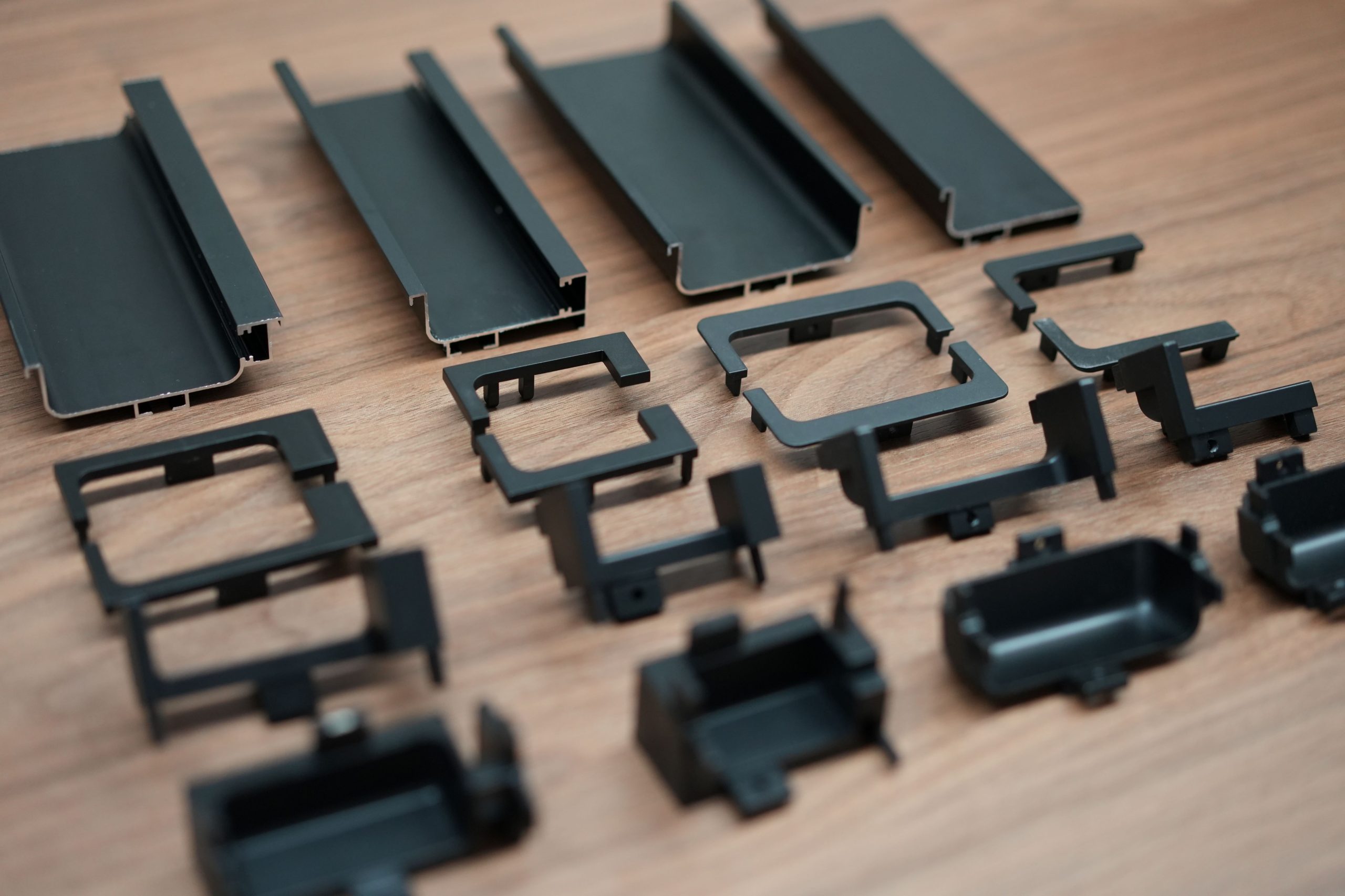
The available product data does not specify whether matte Aluminum Gola profile for handleless kitchen surfaces are easy to maintain or provide cleaning instructions. The listed Gola profile is made from 6063 T5 aluminium, while its surface finish is not stated. Maintenance requirements should therefore be confirmed for the selected finish before installation. Core Solutions […]
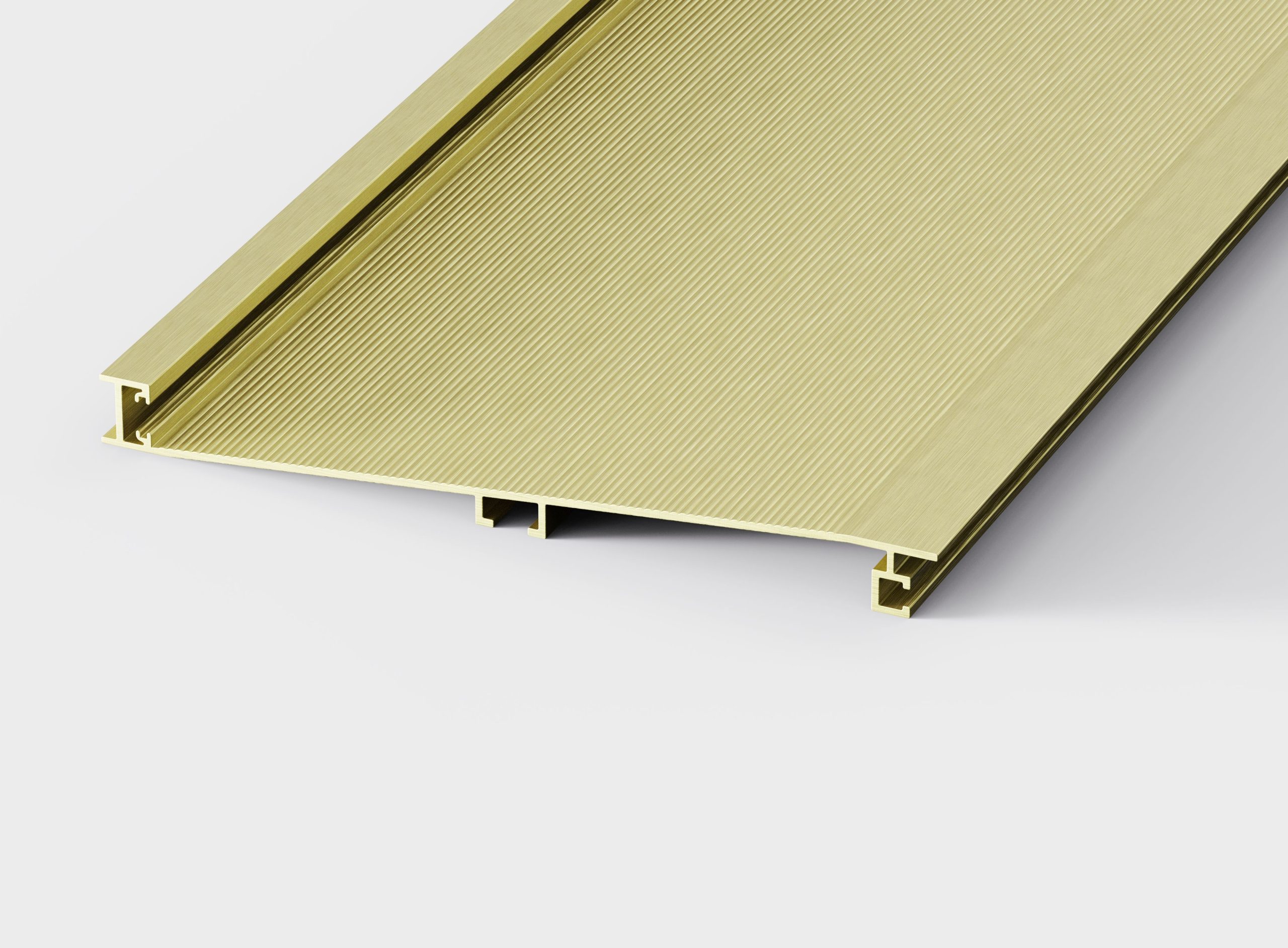
The supplied information does not confirm that live video inspection of Aluminum skiriting and edge profiles production is available. It confirms in-house aluminium processing, CNC machining, and 6063 T5 aluminum tile trim profiles. Buyers should verify live-video availability, viewing scope, timing, and the responsible contact before arranging an inspection. Core Solutions & Key Takeaways Live […]
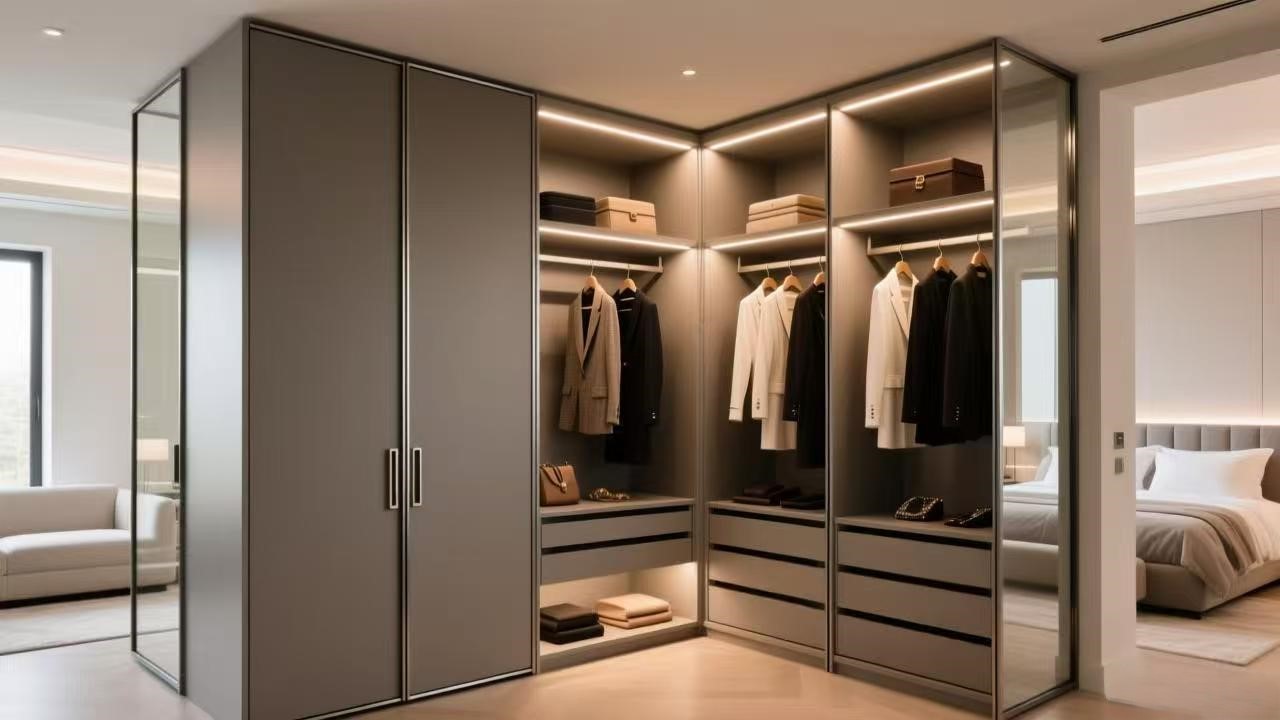
A slim aluminum frame profile for glass doors sample can be specified with matching hardware as part of a coordinated furniture aluminium solution; however, the supplied data does not confirm that hardware is automatically included with every sample. Confirm the requested frame, handle, and matching hardware configuration before arranging the sample. Core Solutions & Key […]
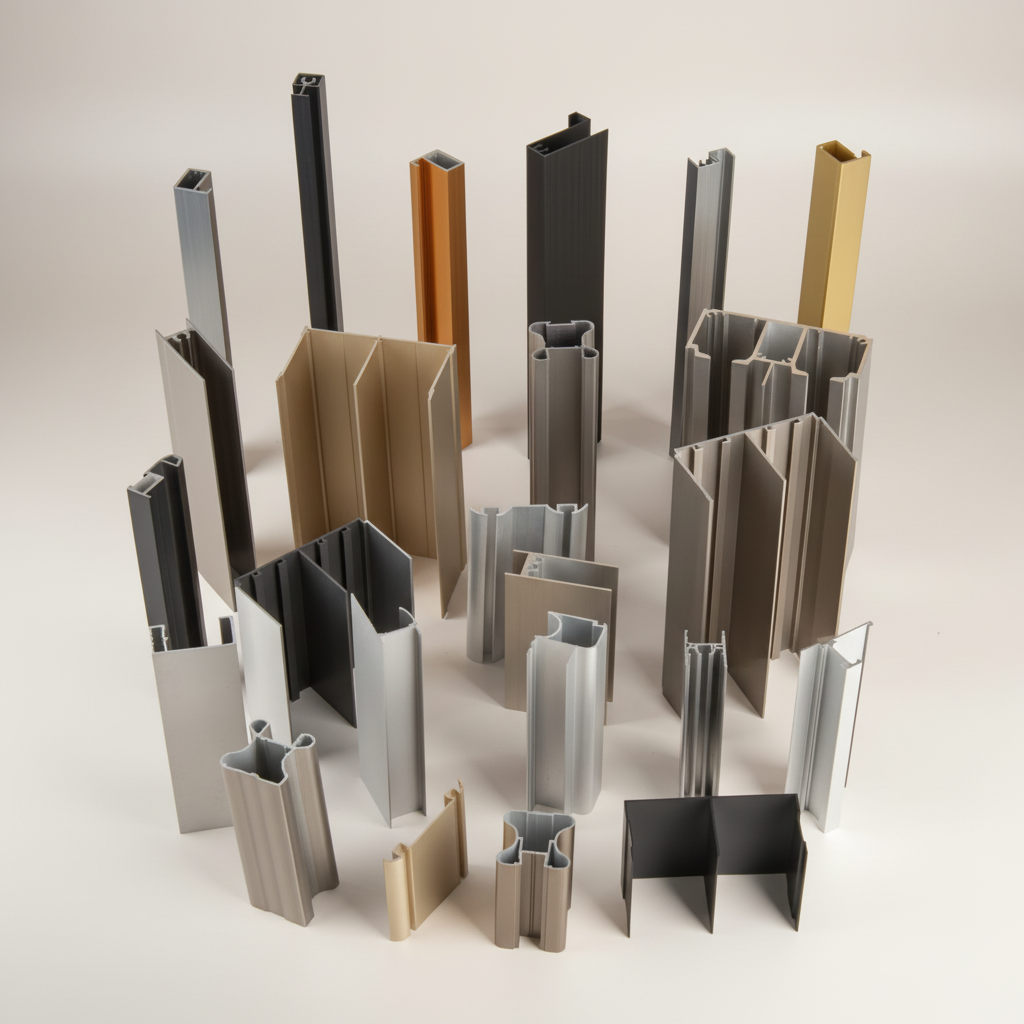
Sample tests for weak aluminum extrusion surface finishing should focus on visible finish consistency, anodizing, brushing, mechanical polishing, and CNC-cut edge quality. The provided product and company data confirm these finishing capabilities for 6063 T5 furniture profiles, but they do not specify formal test methods, acceptance thresholds, adhesion results, or defect limits. Therefore, the data […]
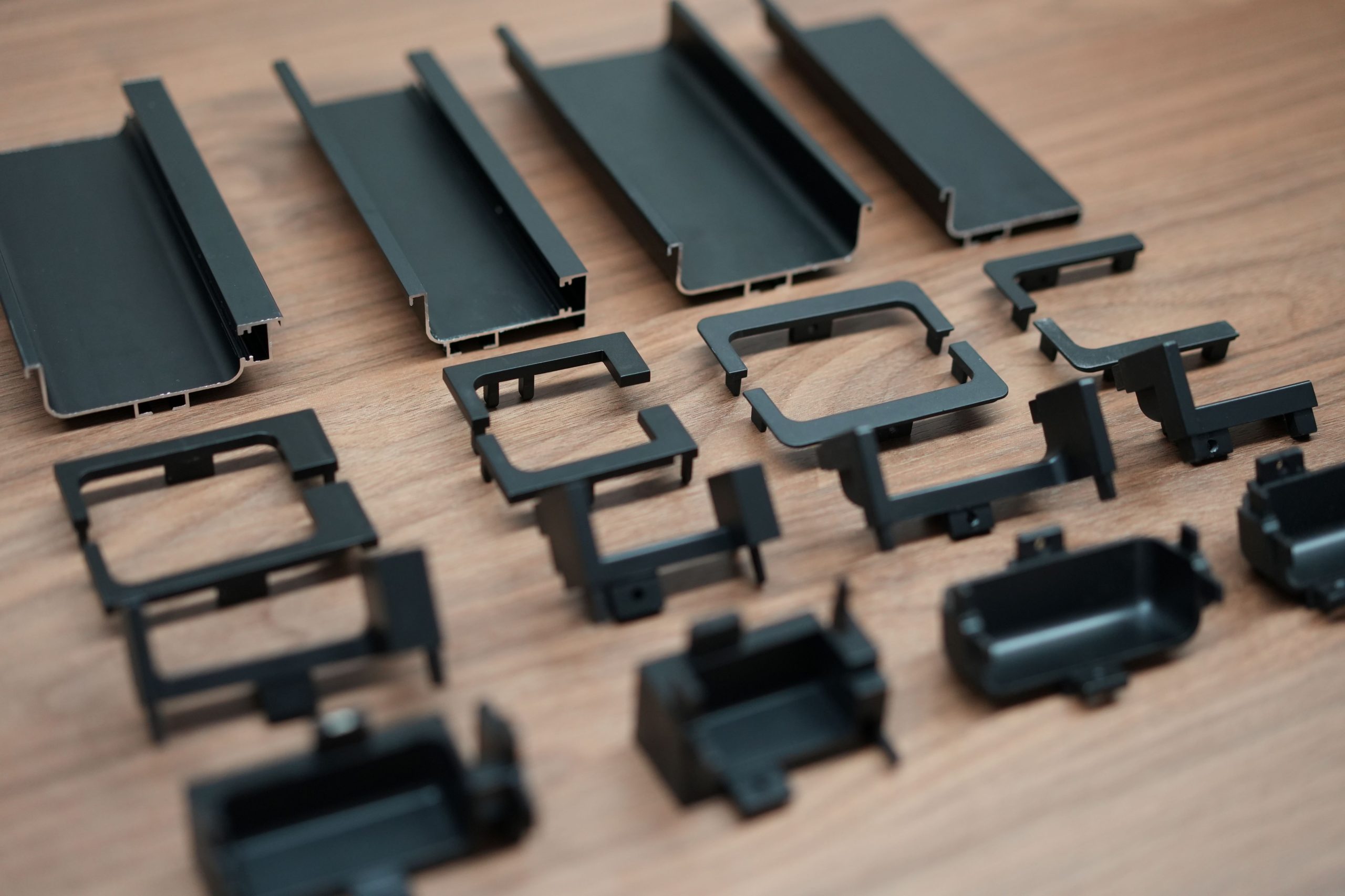
Stable controls for aluminum skirting and edge profiles are indicated by documented in-house extrusion, anodizing, brushing, mechanical polishing, and CNC machining, supported by quality and occupational health and safety management certificates. MEBEL-ALU also reports a monthly aluminum profile capacity of 5,000 tons, while the product record identifies a Gola profile for handleless kitchens made from […]
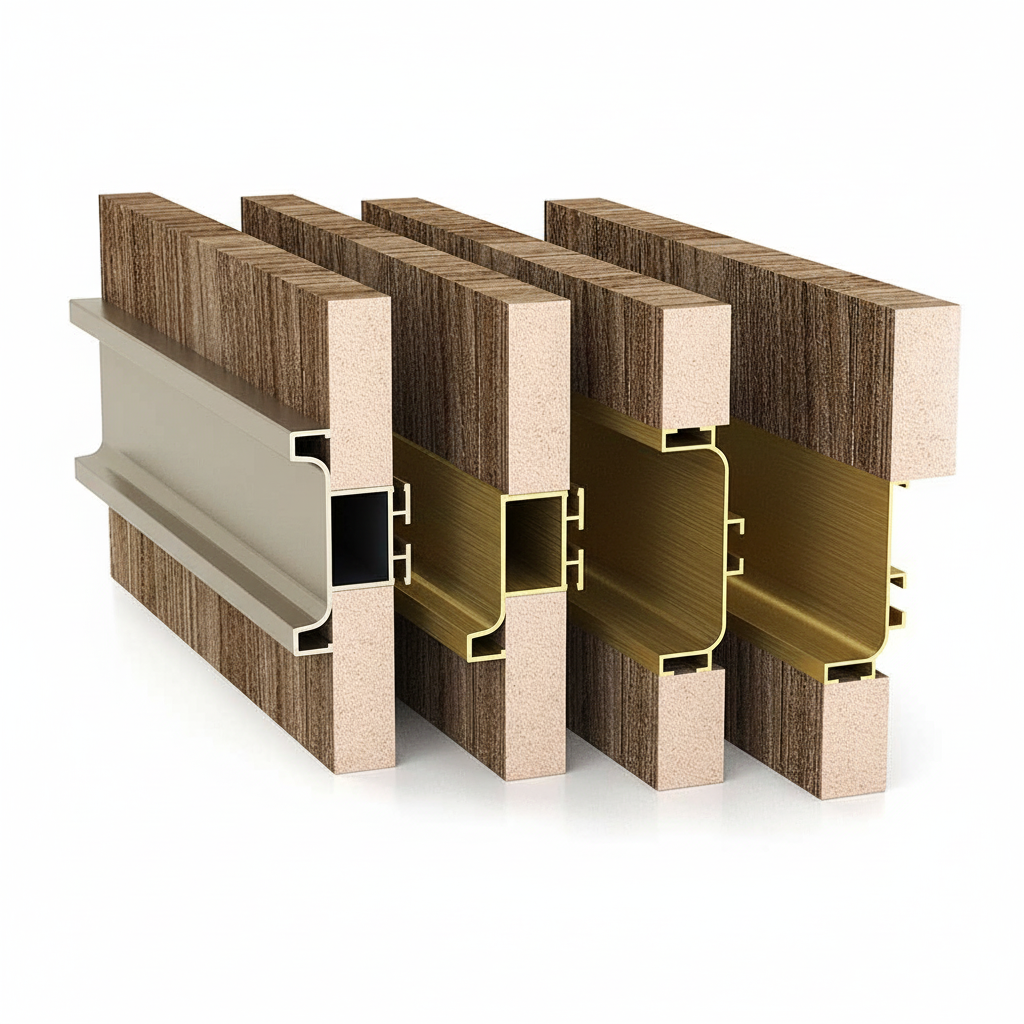
Aluminum extrusion for furniture suppliers may be able to provide spare parts with replacements, but the supplied product and company data do not confirm a replacement policy. Buyers should request written confirmation of spare-part availability, replacement conditions, applicable product scope, and technical support before placing an order for custom 6063 T5 aluminum furniture profiles. Core […]
ISO certification is important for an aluminium cabinet profile supplier because it provides documented evidence of quality and occupational health and safety management processes. Buyers should assess the certificate scope, production coverage, and relevance to kitchen cabinet aluminum profiles, then verify material specifications such as 6063 T5, manufacturing controls, capacity, delivery terms, and supporting technical […]
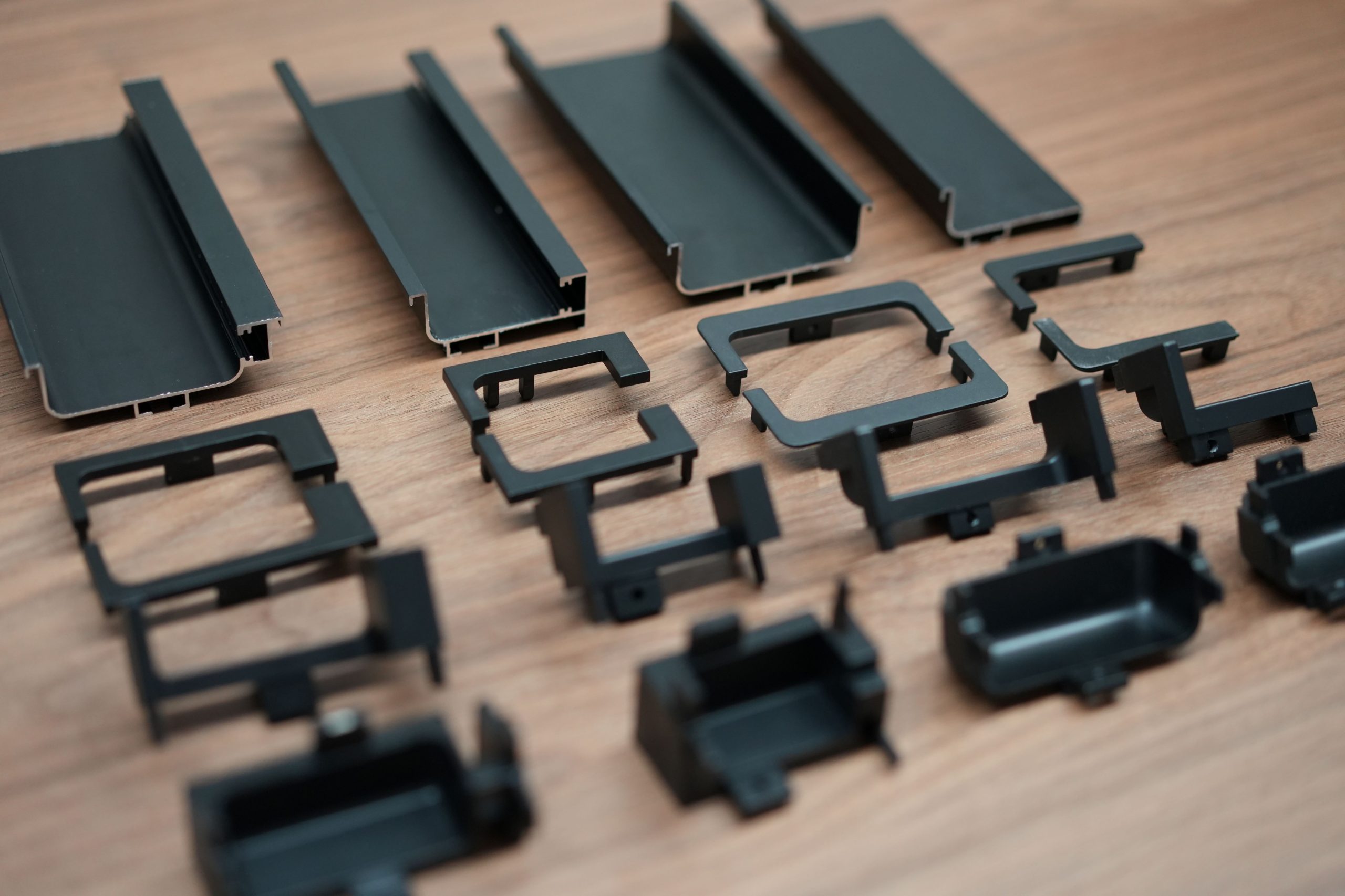
Aluminum Gola profile for handleless kitchen dimensions may be discussed for custom production, but the available product data does not confirm a dimensional range, tolerance, or approved modification limit. The profile is identified as 6063 T5, and Mebel-Alu states that it supplies both standard and custom aluminum profiles. Final dimensional changes require technical confirmation against […]
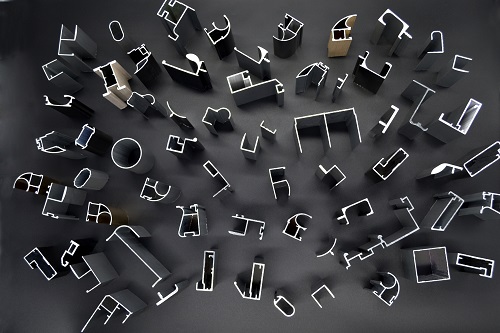
A glass sliding wardrobe door aluminum frame sample package should identify the sliding wardrobe door aluminum frame, state the 6063 T5 material specification, include the available product image for visual reference, and provide relevant aluminum-profile quality documentation when applicable. The package should also identify the supplier, intended furniture application, and any requested sample or technical […]
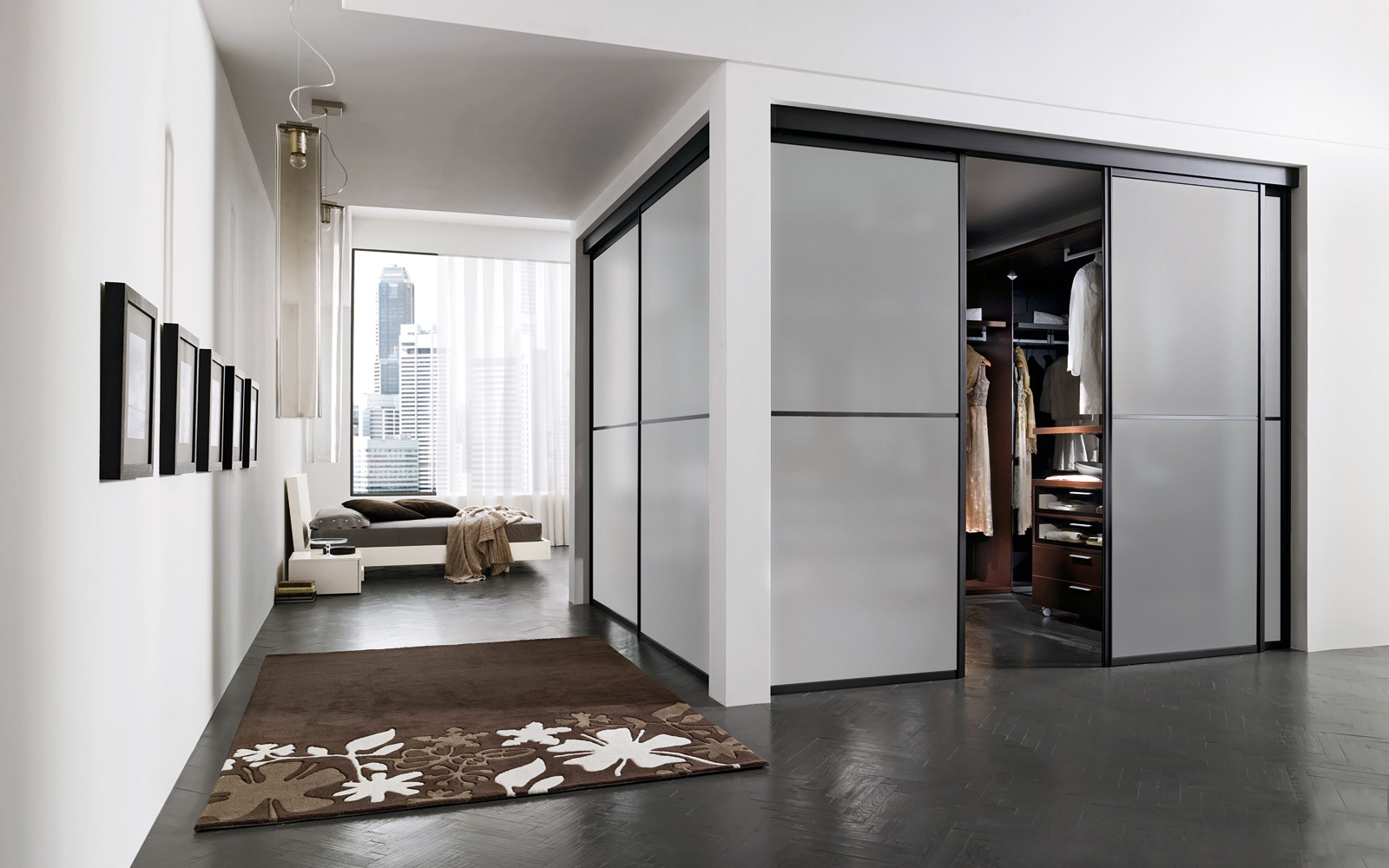
The provided information for Aluminum profiles for wardrobe door frame does not state whether customer-supplied packaging is accepted. Confirm packaging requirements with MEBEL-ALU before placing an order, including protection for 6063 T5 wardrobe door aluminum system profiles, labeling, loading arrangements, and compatibility with FOB shipment. Core Solutions & Key Takeaways Use written confirmation to determine […]
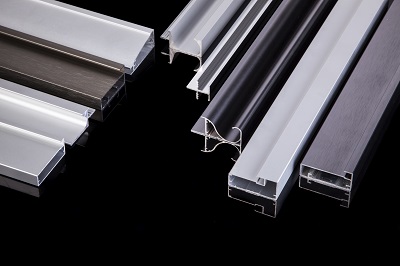
The provided data does not state whether corner connectors are priced separately from aluminum profiles for wardrobe door frames. The listed product is kitchen cabinet aluminum profiles made from 6063 T5, while corner connectors are not separately specified. Confirm connector inclusion, compatible hardware, unit pricing, minimum order quantity, and delivery terms with MEBEL-ALU before placing […]
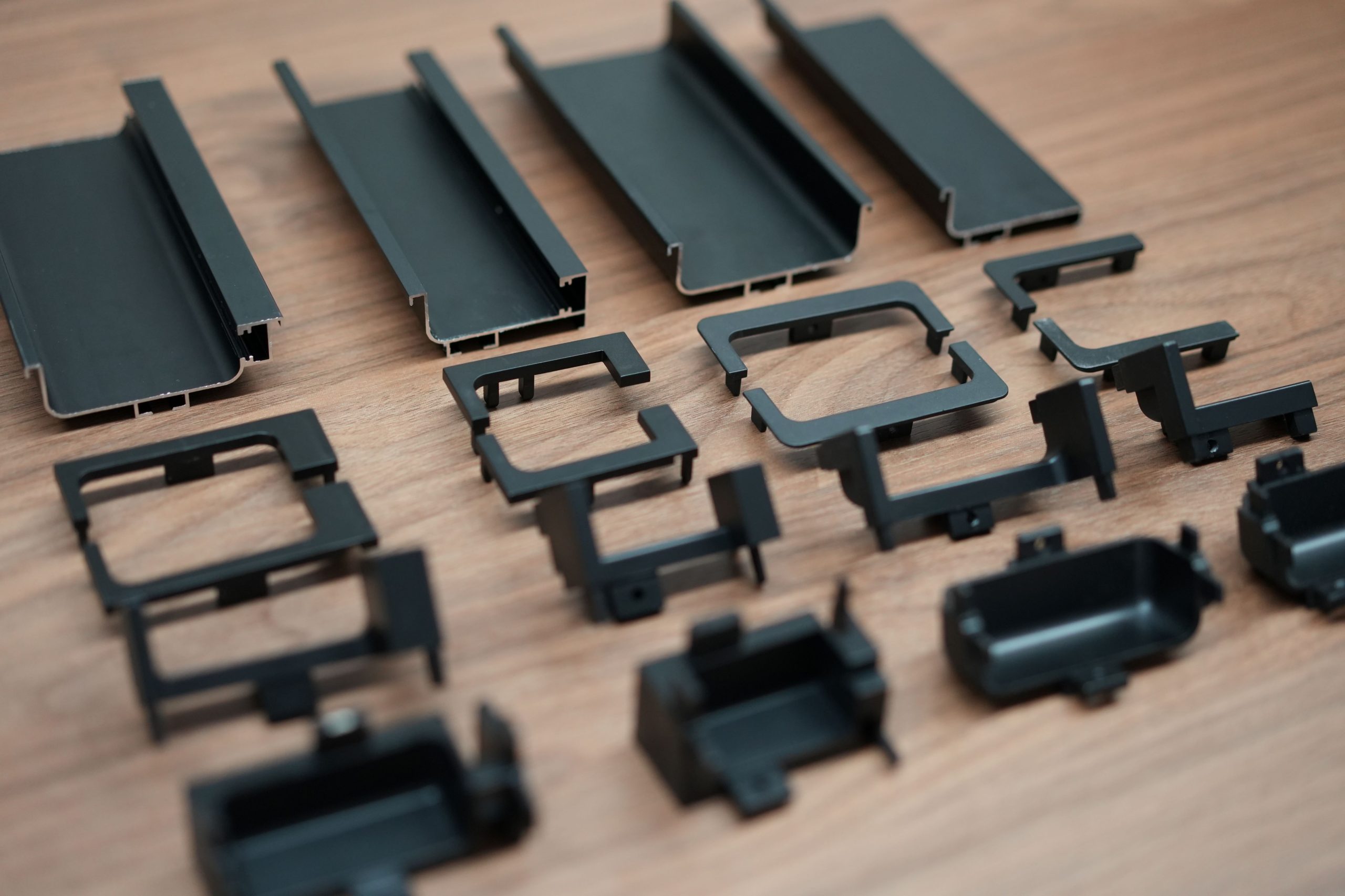
The available product and company data do not state that an Aluminum Gola profile for a handleless kitchen warranty covers freight on replacement shipments. Freight coverage should therefore be treated as unspecified until written warranty terms confirm it. Verify replacement eligibility, responsibility for transportation costs, shipping method, and any applicable FOB conditions before placing or […]
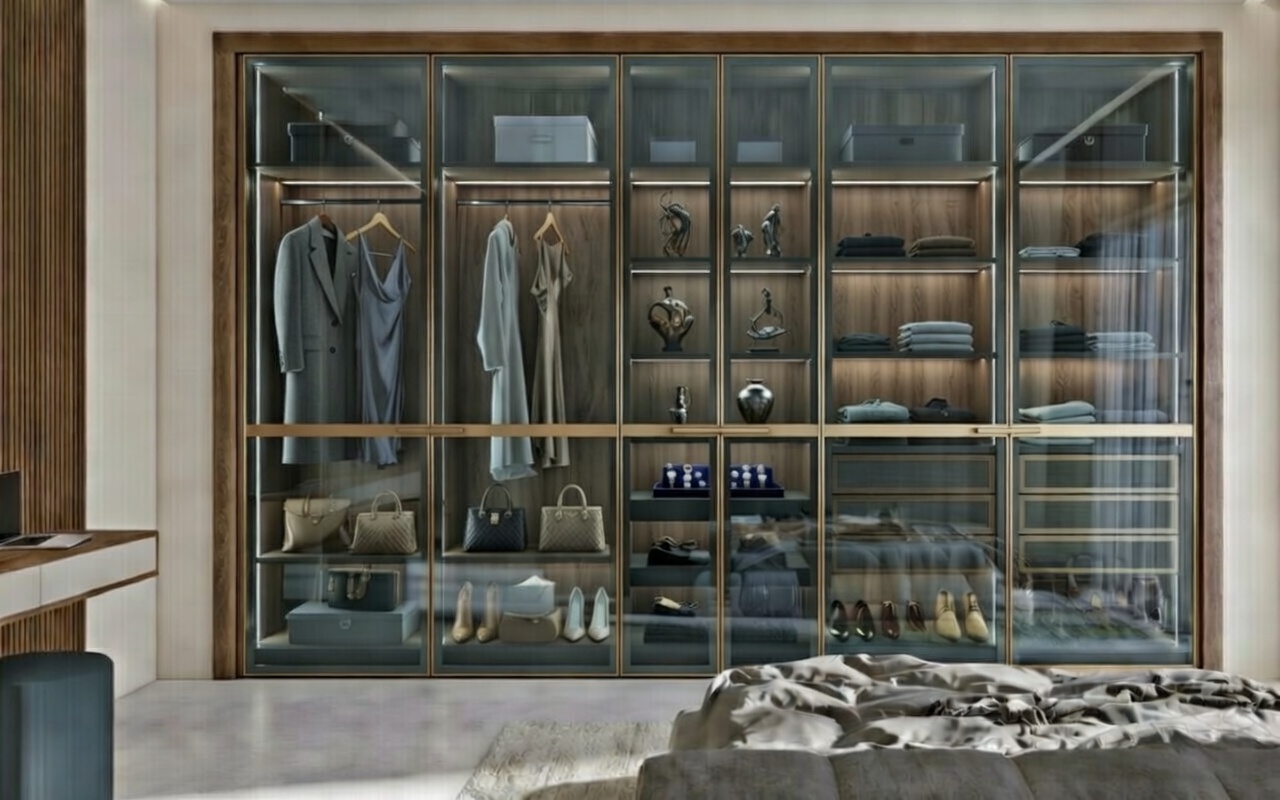
The available information does not confirm that the warranty for the Slim aluminum frame profile for glass doors covers color variation. The product record contains no warranty terms, color-tolerance statement, or after-sales policy. Buyers should request written confirmation covering approved color samples, surface-finish requirements, inspection criteria, and remedies before placing an order. Core Solutions & […]
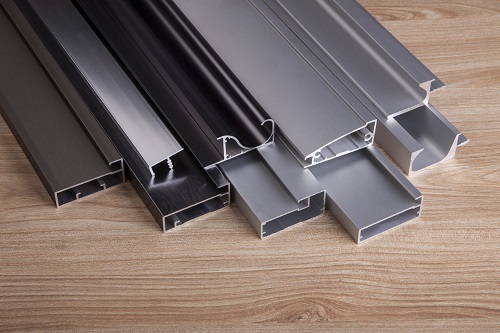
To confirm an aluminium cabinet profile supplier invoice is legitimate, match the legal supplier name, product description, alloy specification, commercial terms, and certification records against reliable company data. For MEBEL-ALU ALUMINIUM, verify that the invoice references kitchen cabinet aluminum profiles, 6063 T5, the applicable FOB arrangement, and supplier details consistent with Mebel-Alu Furniture Profile (Hong […]
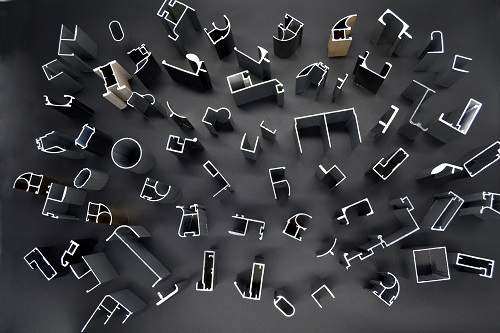
For a glass sliding wardrobe door aluminum frame, social compliance checks should verify occupational health and safety management, production-site conditions, quality-system control, and whether the documented certification scope covers aluminum alloy profiles for decoration or related applications. Buyers should also request current audit records, worker-management procedures, and corrective-action evidence because the supplied data does not […]
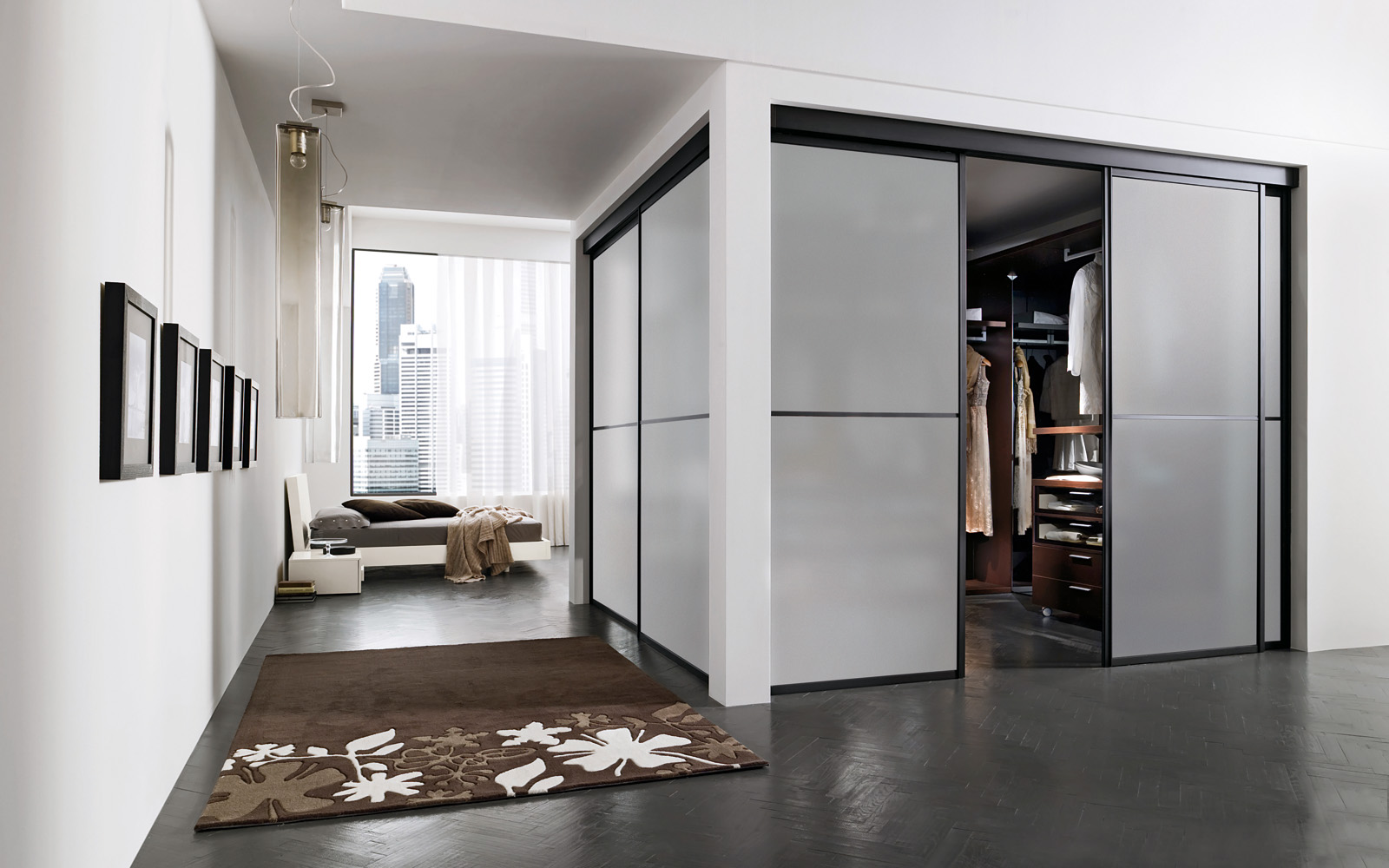
A sample can help assess the real grip comfort of an Aluminum Gola profile for a handleless kitchen by allowing direct hand testing, but the supplied product data does not confirm a Gola profile, kitchen application, or measured comfort results. It identifies a wardrobe door Aluminum system with parameter 6063 T5, MOQ 1, and a […]
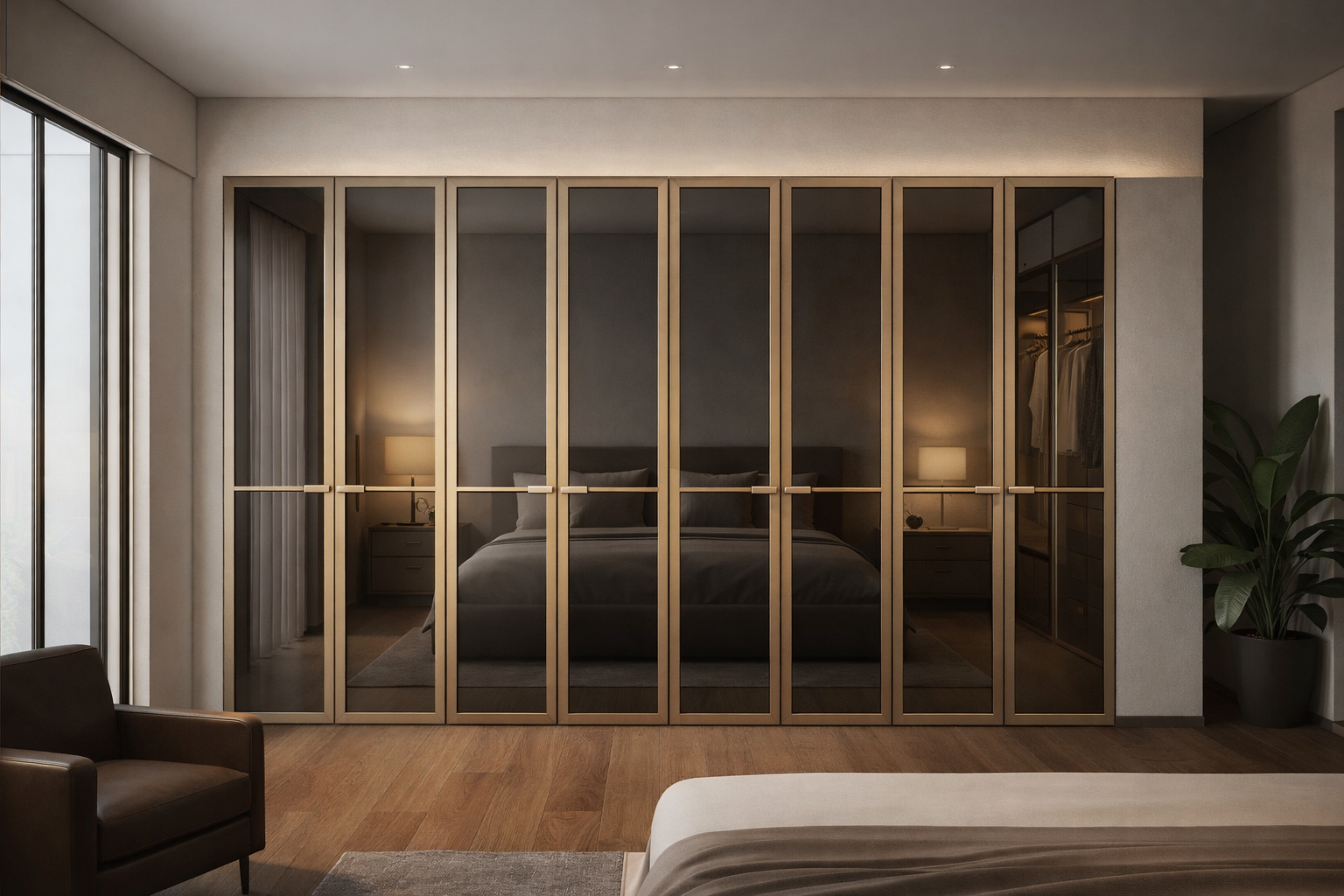
Available data does not confirm a dedicated packing method for preventing finish rubbing on aluminum skirting and edge profiles. MEBEL-ALU’s records specify FOB shipping, including rail, maritime, and container transport, but provide no details on separators, wrapping, protective film, or other surface-protection measures. Packaging specifications should therefore be confirmed before ordering. Core Solutions & Key […]
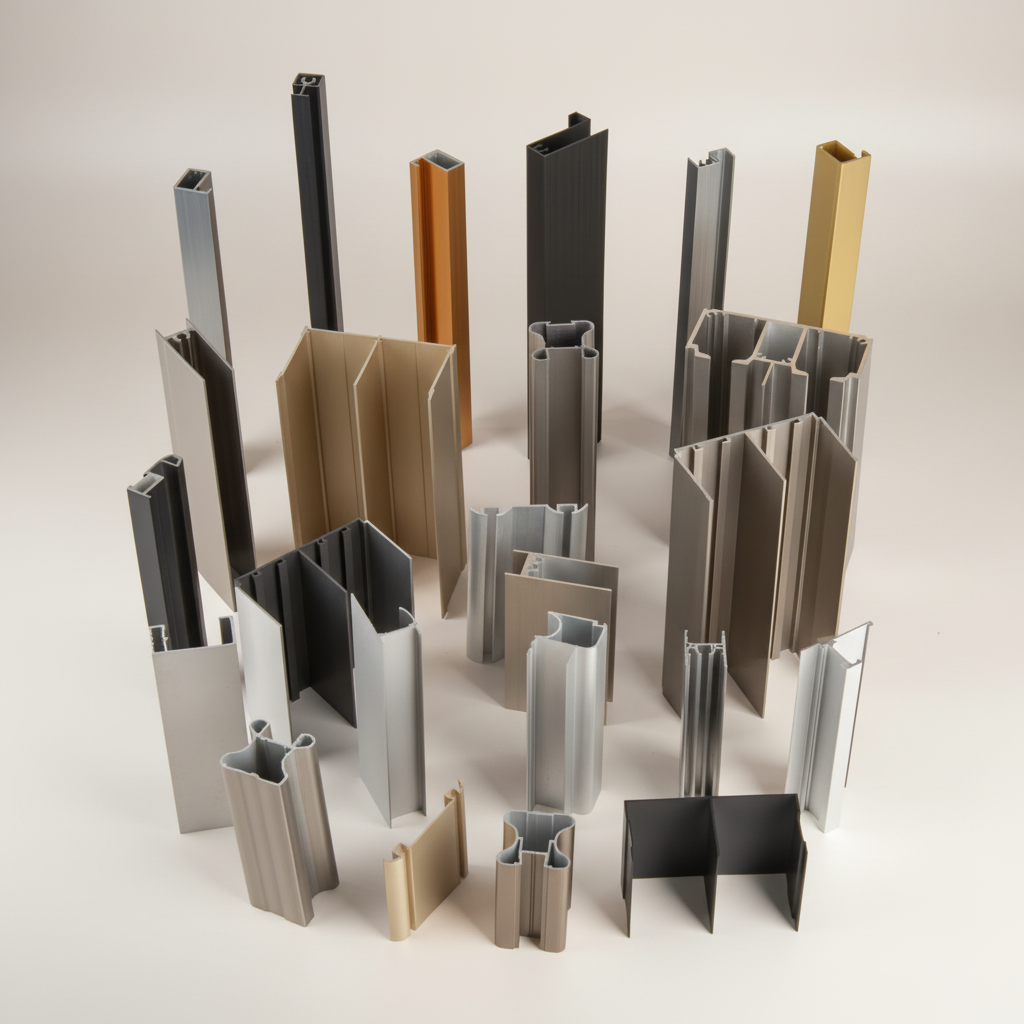
Compare Aluminum Gola profile for handleless kitchen samples under identical lighting, viewing distance, and inspection conditions. Check surface uniformity, color or sheen variation, profile geometry, edge quality, and joint alignment across multiple samples. Record each result against the same reference sample. For custom aluminum extrusion for furniture, also confirm that the stated 6063 T5 parameter […]
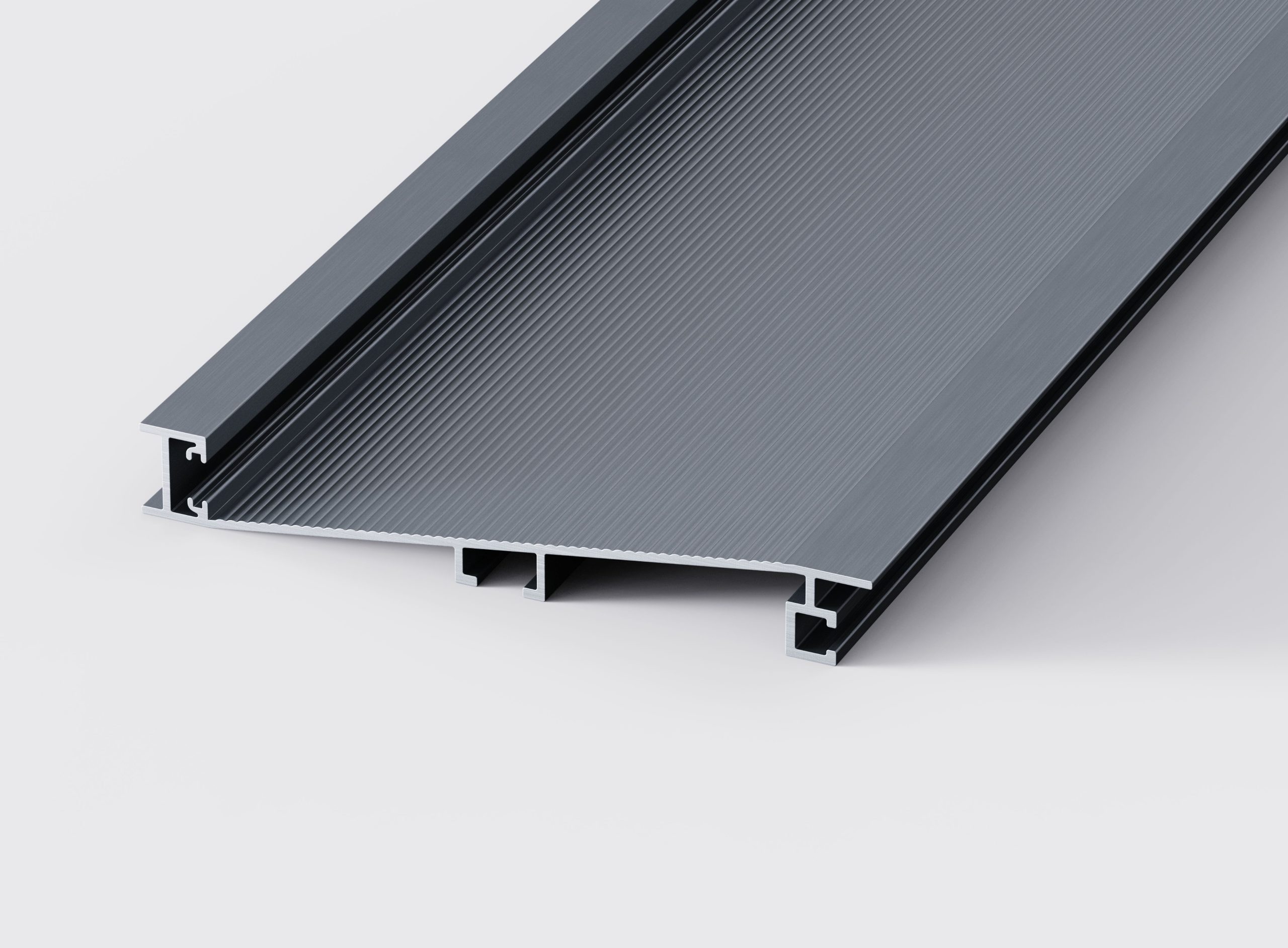
The best container loading plan for Aluminum skiriting and edge profiles is an FOB shipment using rail or maritime transport, with profiles grouped by specification, protected against surface damage, and arranged for efficient container utilization. MEBEL-ALU can support this logistics model for aluminum tile trim profiles made from 6063 T5 material, with an indicated FOB […]
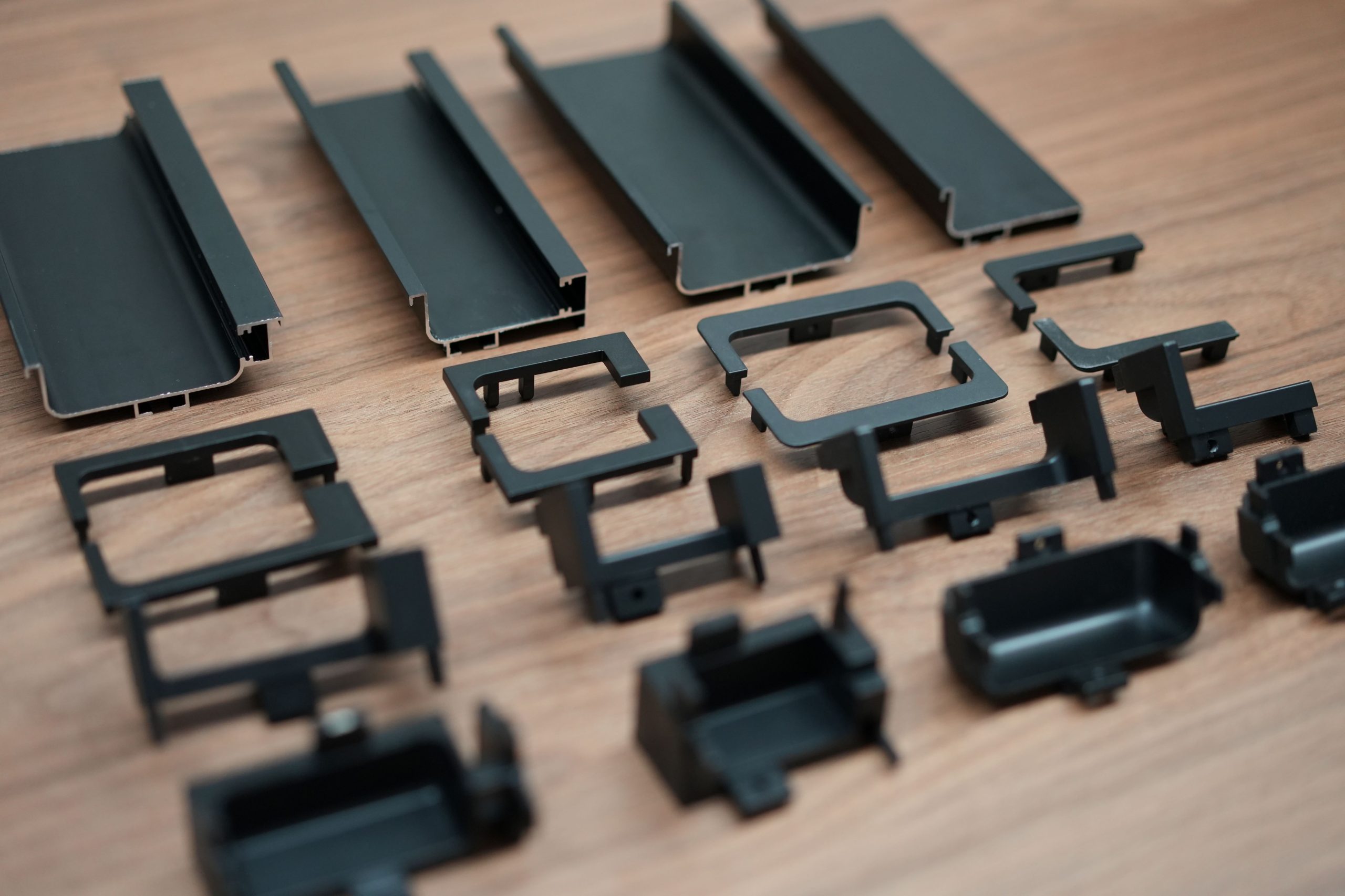
To assess whether an aluminum extrusion for furniture seller owns a factory, check for a named company, a stated factory address, in-house manufacturing processes, factory scale, production capacity, factory images, and relevant certificates. Mebel-Alu Furniture Profile (Hong Kong) Co., Ltd lists these manufacturing indicators, including a 300000 Sqm factory area and 5,000 tons of monthly […]
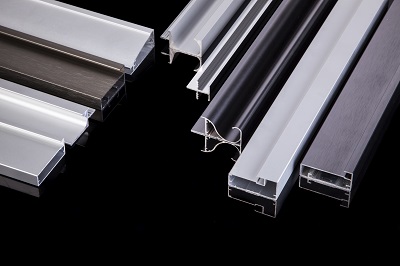
An Aluminum Gola profile can replace traditional handles in a handleless kitchen when the cabinet design, profile dimensions, door panels, and related hardware are compatible, but full replacement is not established for every installation. The supplied product record identifies kitchen cabinet aluminum profiles with a 6063 T5 parameter; it does not explicitly label a Gola […]
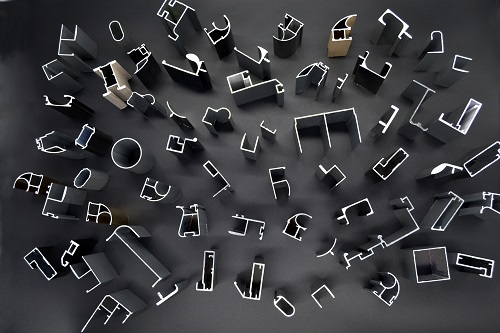
No. The supplied records do not confirm packing quality for a slim aluminum frame profile for glass doors. They identify a sliding wardrobe door aluminum frame with the parameter 6063 T5, but the product’s quality inspection, delivery time, export markets, and after-sales support fields are blank. A factory audit would need documented packing evidence before […]
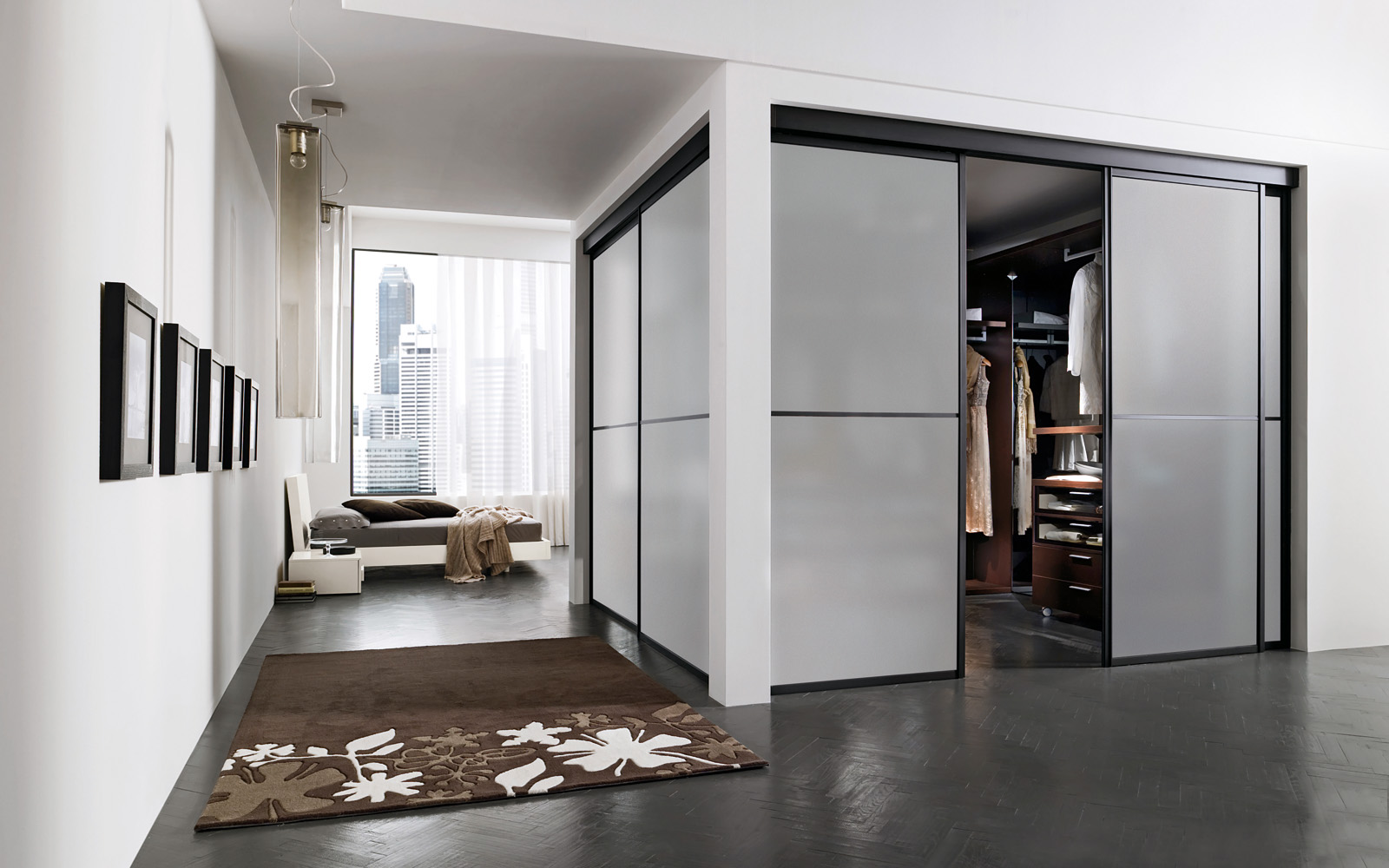
To check glass fit on a glass sliding wardrobe door aluminum frame sample, confirm that the glass enters the frame channel evenly, sits fully against the intended support surfaces, and moves without binding. Inspect all frame joints, seals, rollers, and clearances. Record any rocking, edge pressure, uneven gaps, or interference before approving the aluminum wardrobe […]
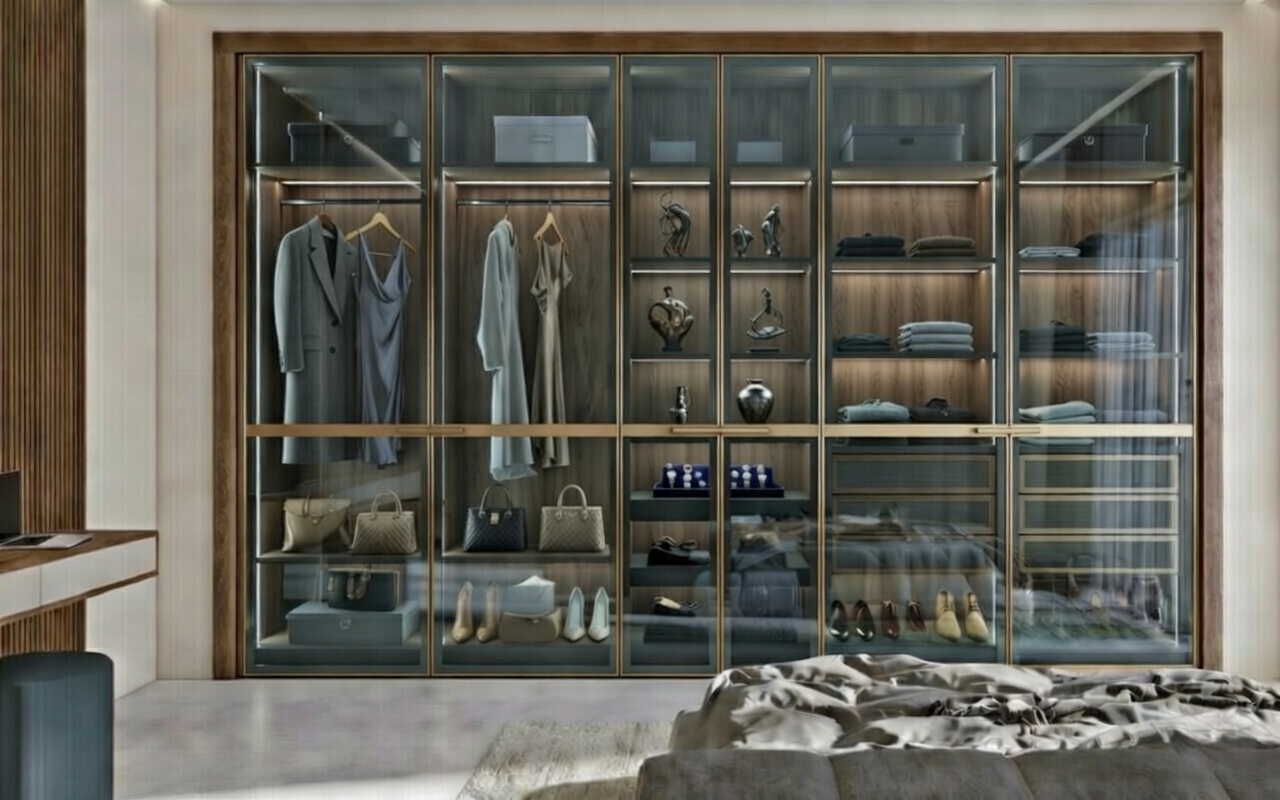
Aluminum Gola profile sample colors cannot be confirmed as matching later batches from the available data. The product record provides no color specification, tolerance, coating reference, or batch-control requirement. Request an approved color sample, retain the reference record, and obtain confirmation before production to reduce the risk of visible color variation in handleless kitchen applications. […]
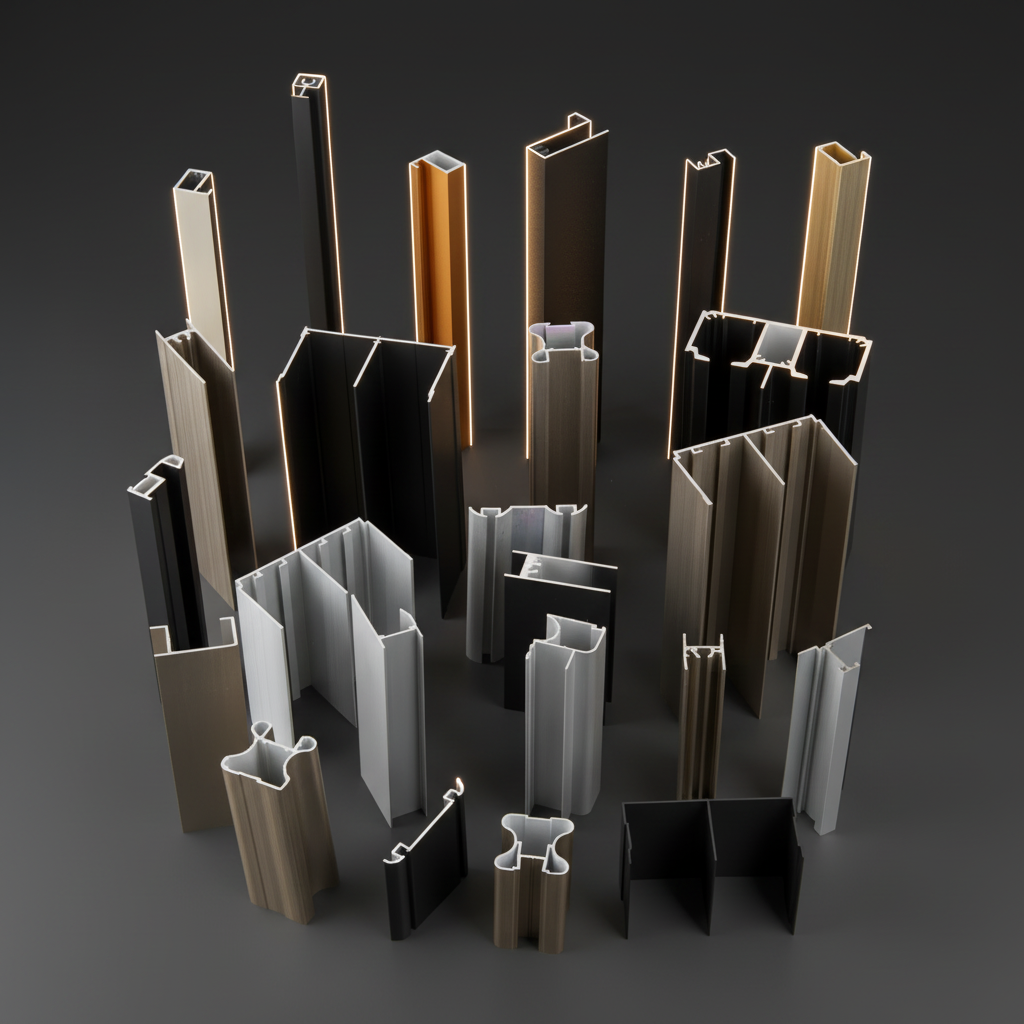
To test noise levels on a glass sliding wardrobe door aluminum frame sample, record a baseline with the door stationary, then measure repeated opening and closing cycles under the same conditions. Compare the sample’s readings with the baseline and document movement direction, hardware configuration, glass condition, and surface treatment. The method applies to custom aluminum […]
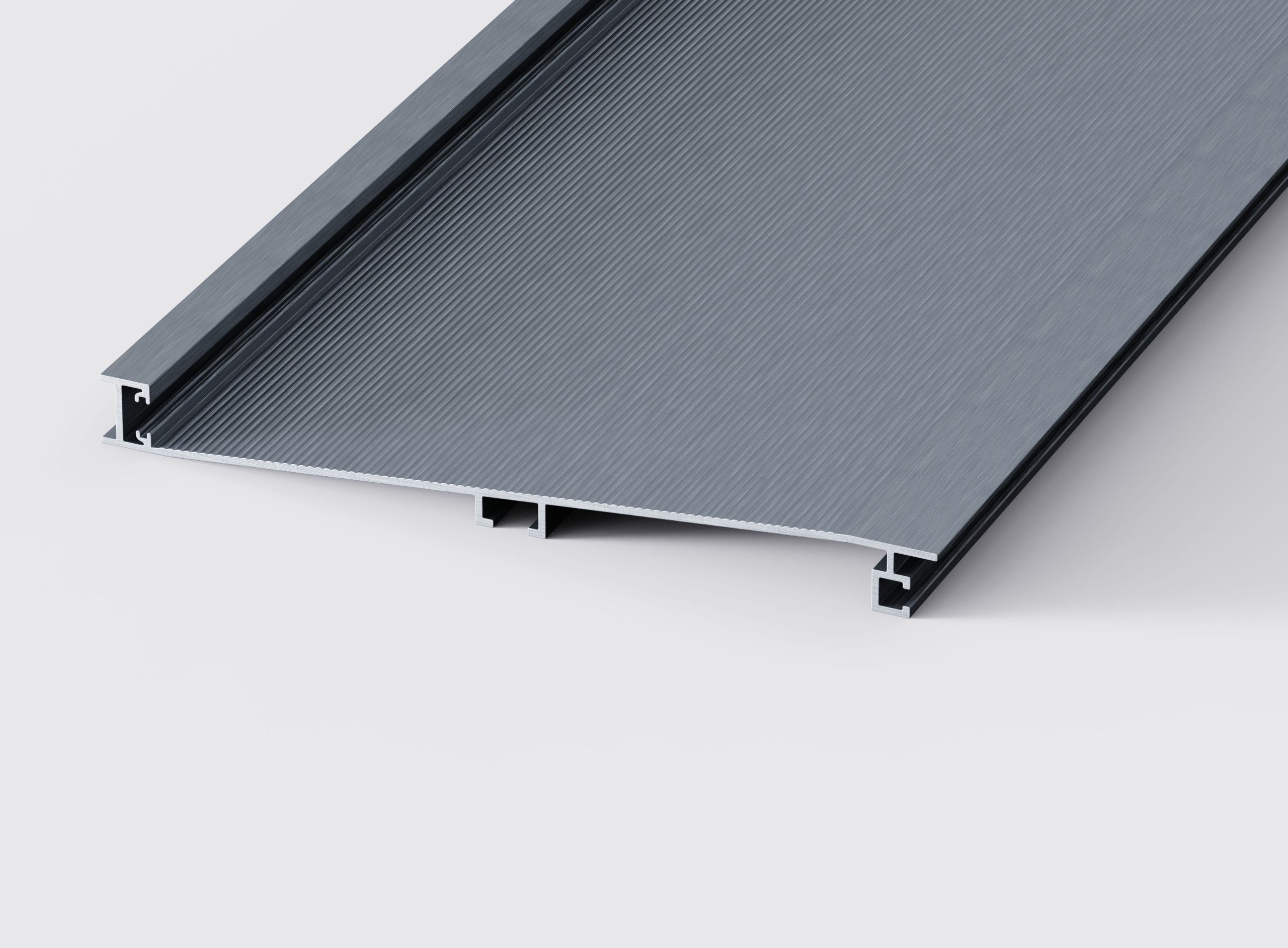
The available supplier information does not confirm whether a slim aluminum frame profile for glass doors supplier provides dedicated replacement sections. MEBEL-ALU lists aluminum glass door systems and custom and standard profiles, but no replacement-section policy, replacement dimensions, MOQ, or delivery time is provided for this product inquiry. Core Solutions & Key Takeaways The supplier […]
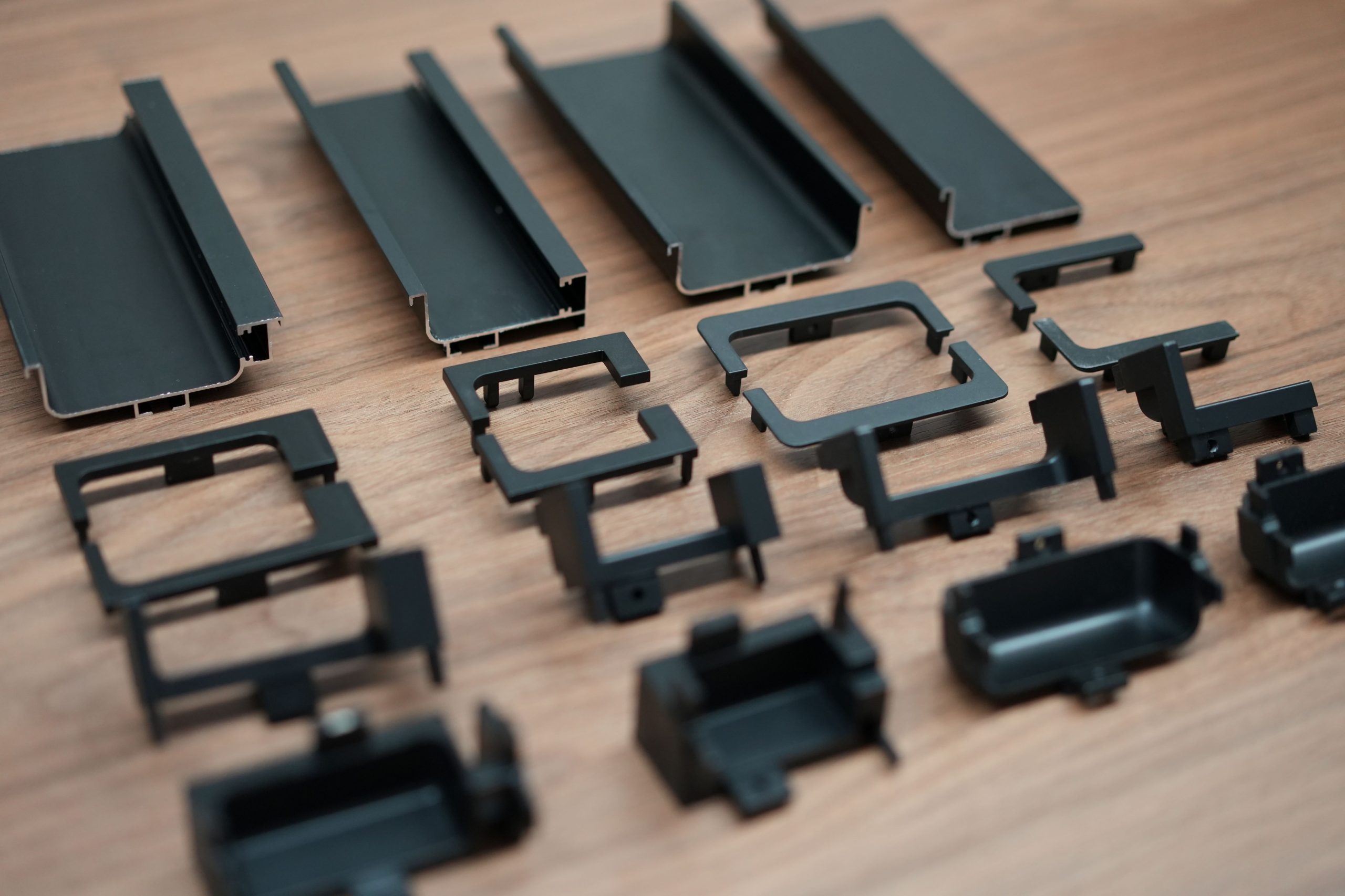
Payment insurance for Aluminum skiriting and edge profiles purchases should be confirmed separately because the provided terms list SWIFT payment and FOB shipping but do not state payment insurance coverage. Before ordering, request written confirmation of payment protection, applicable risks, claim procedures, delivery obligations, and refund conditions. The available product data identifies an Aluminum Gola […]
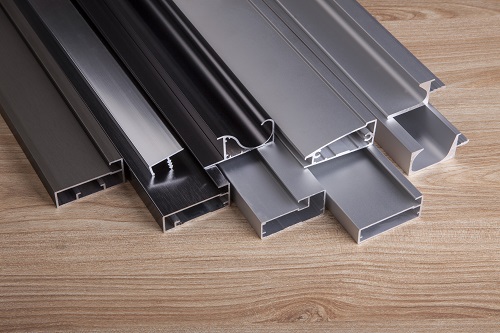
Based on the supplied data, aluminum skirting and edge profiles are the only documented profile solution; no alternative material is specified for a sustainability comparison. The available evidence supports comparing aluminum cabinet profiles, decorative tile trims, and related aluminum systems by application, manufacturing scope, and supply capability rather than claiming environmental advantages for an unlisted […]
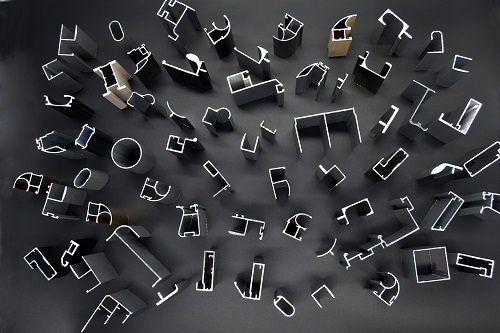
Store Aluminum skirting and edge profiles in a clean, dry, covered area after arrival. Keep each bundle supported evenly, protected from moisture, dust, scratches, and direct contact with corrosive materials. Retain protective packaging until installation, separate finished surfaces with suitable padding, and avoid stacking profiles in ways that can bend, dent, or damage their surface […]
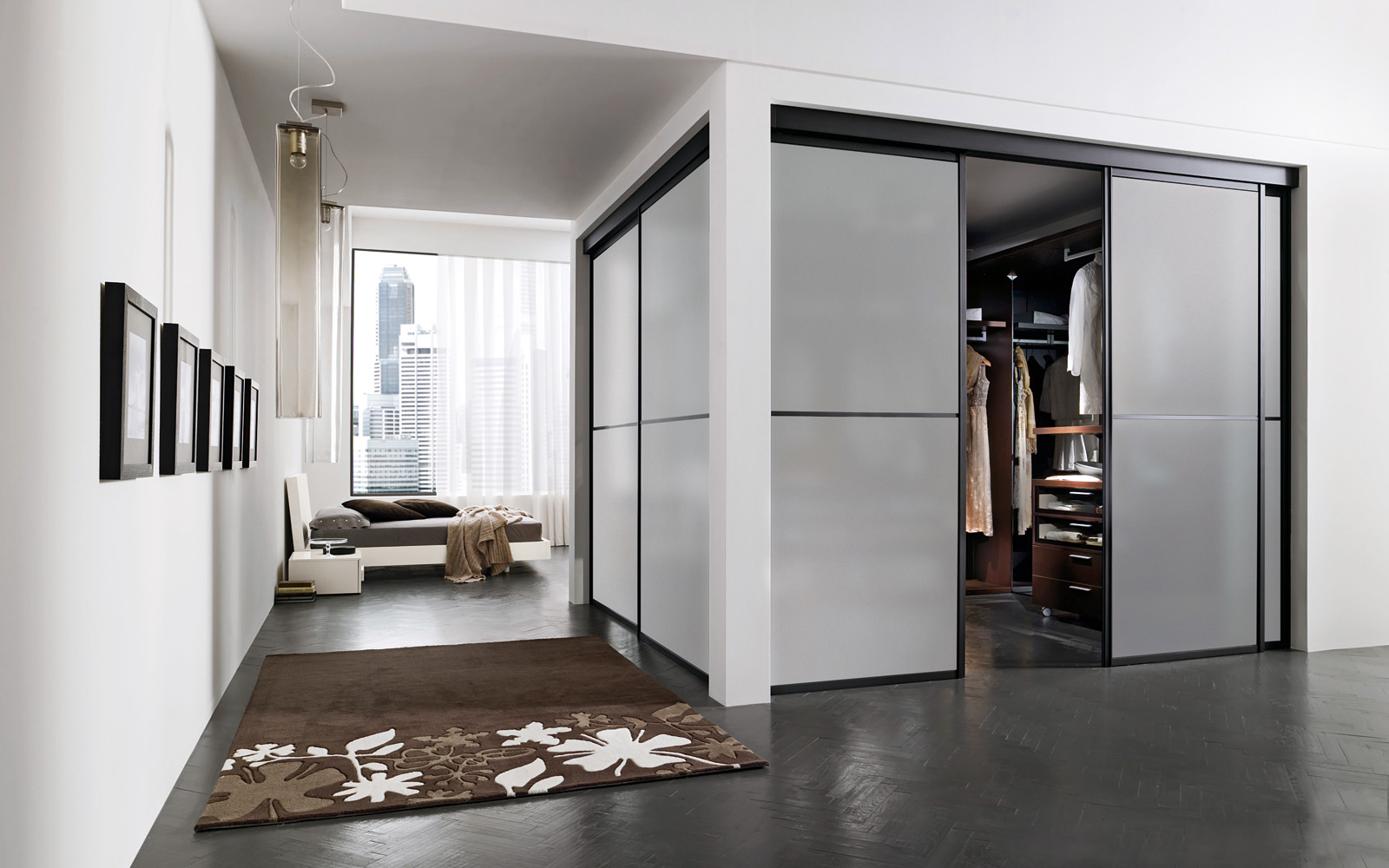
The provided data does not identify specific installation mistakes that void a glass sliding wardrobe door aluminum frame warranty. It does identify the product as an aluminum profile system for wardrobe door frames, using 6063 T5 material, with a 30-day delivery time. Installation teams should therefore follow the supplier’s documented requirements and obtain written warranty […]
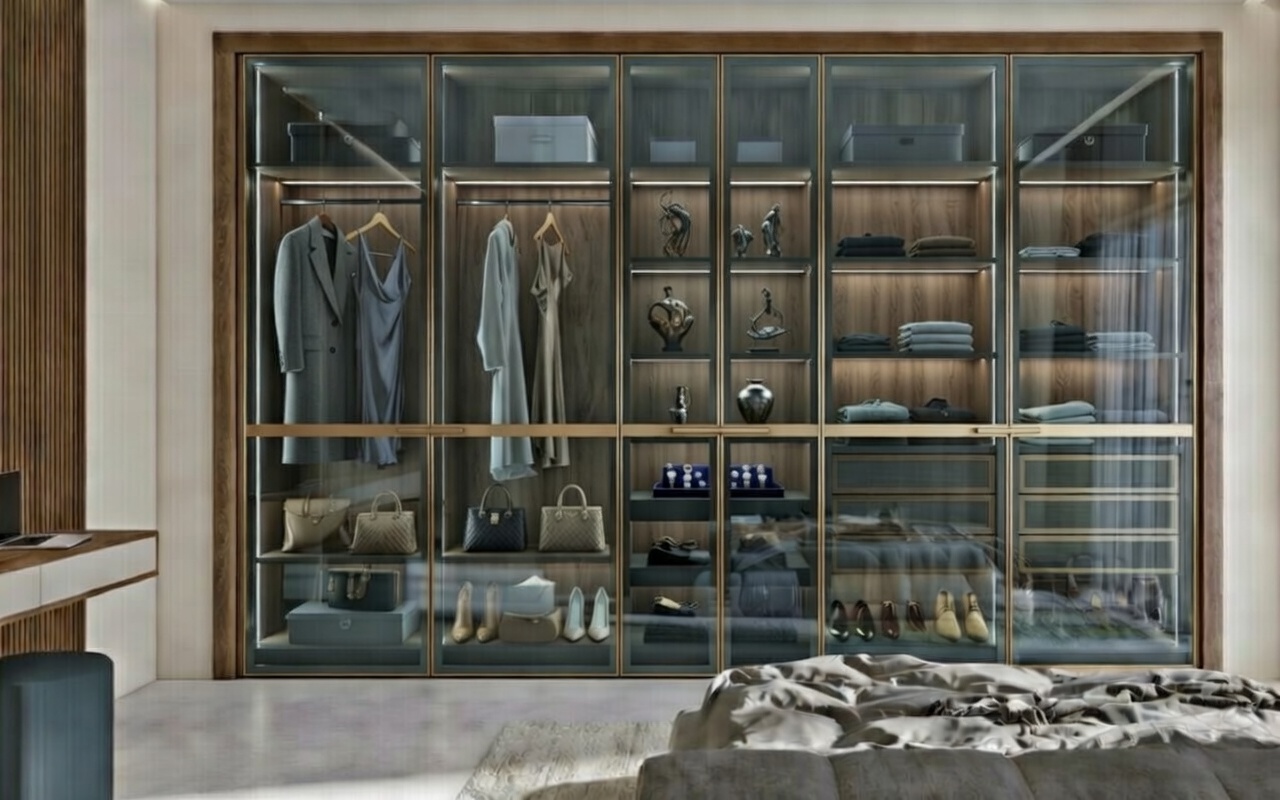
Factory visits for aluminum profiles for wardrobe door frames should verify extrusion consistency, dimensional control, surface treatment, CNC finishing, hardware compatibility, production capacity, quality certificates, and delivery controls. Inspect the process from raw profile production through anodizing, brushing, polishing, machining, and finished-product inspection, then compare documented controls with the slim aluminum frame profile intended for […]
Contact Us